Treasury Secretary Bessent Says US Poised to Seize $1 Billion in Crypto From Iran
Key Takeaways
- •U.S. Treasury Secretary Scott Bessent said American authorities expect to seize roughly $1 billion in cryptocurrency from Iran within the week.
- •Bessent described a shift from a 'maximum pressure' strategy to an 'absolute isolation campaign' against Tehran, which has used bitcoin and other cryptocurrencies to skirt U.S. sanctions.
- •The Treasury Secretary did not disclose which cryptocurrencies would be seized or how the operation would be carried out, and bitcoin's censorship resistance makes freezing such funds difficult unless they are held on a centralized exchange.
- •Bessent previously said federal authorities had seized Iranian crypto in the form of Tether's USDT, a stablecoin that can be frozen.
- •Iran earlier this year launched a bitcoin-backed insurance service for its shipping companies and has used bitcoin to settle cross-border transactions through domestic crypto exchanges.
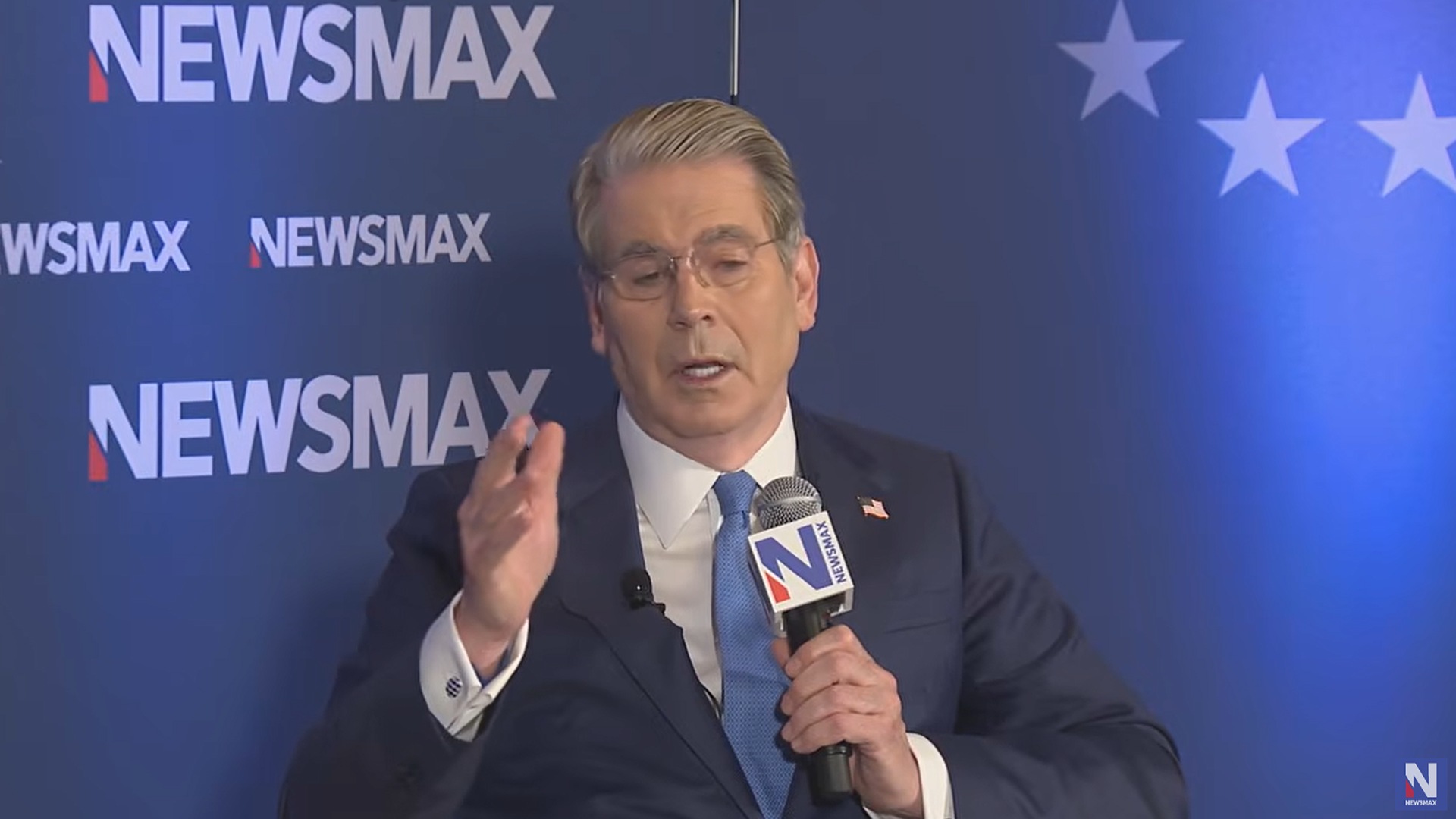
U.S. Treasury Secretary Scott Bessent said American authorities are preparing to seize roughly $1 billion in cryptocurrency from Iran, declaring that economic sanctions against the Middle Eastern country are working.
Speaking Thursday at Newsmax's NPolicy Summit in Washington, D.C., Bessent said the U.S. has moved from a strategy of "maximum pressure" to what he described as an "absolute isolation campaign" against Tehran, which has used bitcoin and other cryptocurrencies to skirt U.S. sanctions.
"What we have done has never been seen before," Bessent said of the Iran sanctions effort (video). "We're probably going to seize $1 billion of crypto this week. We know where it is. We are isolating them. We did have a maximum pressure campaign, now we have an absolute isolation campaign and it's working." (X post)
The Treasury Secretary did not disclose which cryptocurrencies the U.S. intends to seize or how the operation would be carried out. With Bessent pointing to action within the week, those undisclosed specifics — the assets involved and the mechanism used — are the details to watch as the plan moves toward possible execution.
The U.S. began targeting crypto wallets linked to the Iranian regime in April, Bessent said at the time.
Freezing Iran's bitcoin would be very hard — if not impossible — unless the funds are held on a centralized exchange, where an operator controls access to the assets. Bitcoin, being censorship resistant, cannot be frozen. Many other cryptocurrencies, however, including Tether's USDT, can be, and Bessent previously said federal authorities had seized Iranian crypto in the form of the popular stablecoin. That split between censorship-resistant assets and centrally controlled ones makes custody the pivotal question for the operation Bessent described.
Iran earlier this year launched a bitcoin-backed insurance service for its country's shipping companies. The Financial Times reported last month that the country was using bitcoin to settle cross-border transactions through Iranian crypto exchanges after the central bank advised its countrymen to do anything necessary to help the economy. Those arrangements are the kind of crypto-based work-arounds the isolation campaign targets.
U.S. President Donald Trump revived his "maximum pressure" campaign weeks after returning to office. A national security memorandum signed in February 2025 put the Treasury on a sustained campaign against Iran's shadow banking, money laundering, and sanctions-evasion networks.
This article first appeared on Bitcoin Magazine and is written by Mathew Di Salvo.

