Celsius Founder Alex Mashinsky Agrees to Lifetime Ban From New York Crypto Industry
Key Takeaways
- •Alex Mashinsky agreed to a lifetime ban from New York's cryptocurrency industry as part of a settlement with Attorney General Letitia James.
- •The ban was established through a civil settlement rather than a court ruling and applies specifically to New York's crypto sector.
- •The settlement is distinct from the federal criminal proceedings against Mashinsky, which continue separately.
- •Celsius Network froze customer withdrawals in June 2022 and filed for bankruptcy soon after, leaving hundreds of thousands of users unable to access their funds.
- •Other Celsius co-founders have also accepted permanent crypto industry bans in a separate case tied to unmet financial obligations.
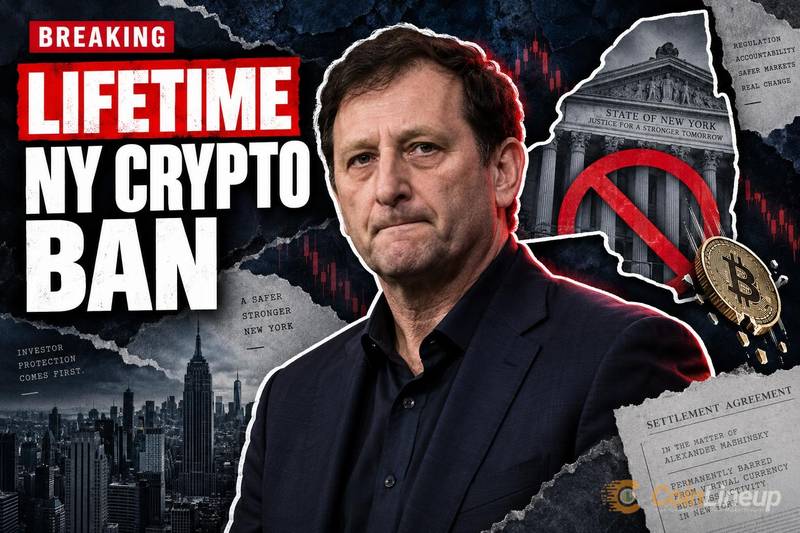
Alex Mashinsky, the founder and former CEO of collapsed crypto lending platform Celsius Network, has agreed to a lifetime ban from New York's cryptocurrency industry as part of a settlement with the state's attorney general.
New York Attorney General Letitia James announced the agreement, which permanently bars Mashinsky from participating in the crypto industry within New York state. The settlement resolves claims brought by the attorney general's office against him.
A Civil Agreement, Not a Court Ruling
The restriction was reached through a settlement rather than imposed after a court ruling. Because it is a civil agreement, Mashinsky accepted the lifetime ban without the matter going through a full trial. Its scope covers New York's crypto industry specifically and is distinct from the federal criminal proceedings against him, which have run separately.
The action is not isolated. Other Celsius executives have faced similar restrictions: Celsius co-founders also accepted permanent crypto bans tied to unmet financial obligations in a separate case, part of a broader pattern of enforcement actions targeting the platform's leadership.
Background: Celsius and Its Collapse
Mashinsky co-founded Celsius Network, a platform that allowed users to deposit cryptocurrency and earn interest, functioning similarly to a savings account at a bank. The company froze customer withdrawals in June 2022 and filed for bankruptcy shortly afterward, leaving hundreds of thousands of users unable to access their funds.
Why the Settlement Matters for Crypto Oversight
New York has long been among the most active states in regulating cryptocurrency businesses. A lifetime ban carries real weight because New York is home to a large share of U.S. crypto activity, and companies often need to be licensed there to serve American customers at scale.
Settlements of this kind are increasingly how state regulators resolve cases against crypto executives, especially when criminal charges are also in play. A settlement allows the regulator to secure concrete, enforceable restrictions without the uncertainty of a full trial.
For ordinary crypto users, particularly those still awaiting Celsius bankruptcy repayments, the settlement signals that state-level enforcement can produce lasting consequences for executives even after a company has collapsed. New York regulators have increasingly used enforcement tools to pursue individuals, not just the companies they ran.
The broader U.S. regulatory environment has also shifted. Federal authorities have signaled an appetite for using legal mechanisms, including asset seizure, against bad actors in crypto, making state-level bans one part of a wider enforcement picture.
What Readers Should Know
The confirmed fact is straightforward: Mashinsky agreed to a lifetime ban from New York's crypto industry through a settlement with the state attorney general, as announced by Attorney General James. Additional terms of the settlement, including any financial penalties or conditions, were not available in the sourcing for this report.
For customers who held funds on Celsius and are following the bankruptcy recovery process, this civil settlement is a separate track from those repayment proceedings. The Celsius bankruptcy case filings remain the authoritative source for the latest on asset recovery. For the separate federal criminal proceedings, official court records serve the same purpose. The settlement addresses Mashinsky's future conduct in New York, not the return of customer funds.

