US Pauses Iran Bombing Campaign After Omani-Mediated Talks Focus on Strait of Hormuz
Key Takeaways
- •The US pause in airstrikes followed 13 straight nights of bombing against Iran.
- •Omani-mediated talks are focused on safe navigation through the Strait of Hormuz and reducing tensions between Washington and Tehran.
- •The Strait of Hormuz remains a key global energy chokepoint because roughly one-fifth of the world’s oil supply passes through it each day.
- •The conflict escalated after US and Israeli strikes on Iranian nuclear and military facilities, followed by Iranian attacks on tankers and passage restrictions.
- •Houthi activity and the stability of Iran’s energy infrastructure remain unresolved factors in the broader crisis.
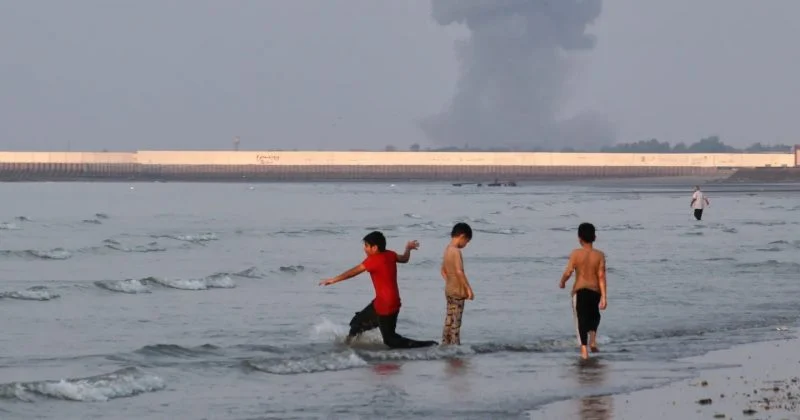
The US military paused its bombing campaign against Iran for a second consecutive night on July 26, after Omani officials traveled to Tehran to facilitate diplomatic talks. The halt followed 13 straight nights of airstrikes and marked the first significant pause in a conflict that has unsettled global energy markets.
Talks focus on Hormuz navigation and de-escalation
Omani diplomats arrived in Tehran around July 24-25 to open a diplomatic channel centered on two priorities: navigation safety in the Strait of Hormuz and broader de-escalation between Washington and Tehran.
US Ambassador to the UN Mike Waltz confirmed the reasoning behind the pause, saying it gives “talks some space.” Iran also acknowledged the contacts. Foreign Ministry spokesperson Esmail Baghaei confirmed that diplomatic discussions were underway.
The Strait of Hormuz gives the conflict implications well beyond the Middle East. Roughly one-fifth of the world’s oil supply passes through the narrow waterway every day, making it one of the most closely watched chokepoints in global energy trade. Earlier in 2026, Iran’s partial blockade of the strait was followed by significant volatility in energy markets.
The escalation that preceded the 13-night US air campaign developed through a series of events. US and Israeli forces struck Iranian nuclear and military facilities. Iran responded with attacks on tankers and restrictions on passage through the Strait of Hormuz. Houthi involvement added another factor to an already unstable situation.
Energy markets, Bitcoin mining, and the Houthi factor
The Strait of Hormuz remains the central issue for global markets because of its role in oil transport and supply chains. Any progress in Omani-mediated talks toward restoring full navigation through the waterway would be closely watched by energy market participants, shipping operators, and governments concerned with fuel supply security.
The conflict also has a crypto-related dimension. Iran has been a notable Bitcoin mining jurisdiction, a role tied in part to its complicated relationship with the global financial system. Because Bitcoin mining depends heavily on access to electricity and stable operating conditions, disruptions involving energy infrastructure or sanctions enforcement can carry significance beyond Iran’s domestic economy.
Houthi activity remains another unresolved element. Their involvement in disrupting shipping routes has continued as a background threat throughout 2026, and any comprehensive agreement would likely need to address their role. For now, the durability of the pause, the status of Hormuz navigation, and whether Omani mediation can keep both sides engaged are the immediate points to watch.
Oman has historically served as a mediator between the US and Iran. It previously facilitated discussions that culminated in the 2015 Joint Comprehensive Plan of Action (JCPOA) nuclear deal and has participated in more recent talks from 2025 to 2026 aimed at resolving long-standing disputes.

