How the U.S. Fell Behind China on Nuclear Power
Key Takeaways
- •The US operates 96 commercial reactors at 57 plants across 28 states, but the average reactor is 44 years old and the fleet survives largely through license renewals rather than new construction.
- •China added 34 gigawatts of nuclear capacity over the past decade and is projected to overtake the US as the world's largest nuclear producer within five years.
- •Plant Vogtle, the only new US nuclear plant in a decade, came online in 2024 years behind schedule and billions of dollars over budget, deterring potential investors.
- •Analysts argue that traditional financial models undervalue nuclear's long lifespans and broader benefits like energy security and public welfare.
- •Gavekal analyst Damien Ma notes China can build a new nuclear plant in about six years, compared with more than a decade for the latest US reactors.
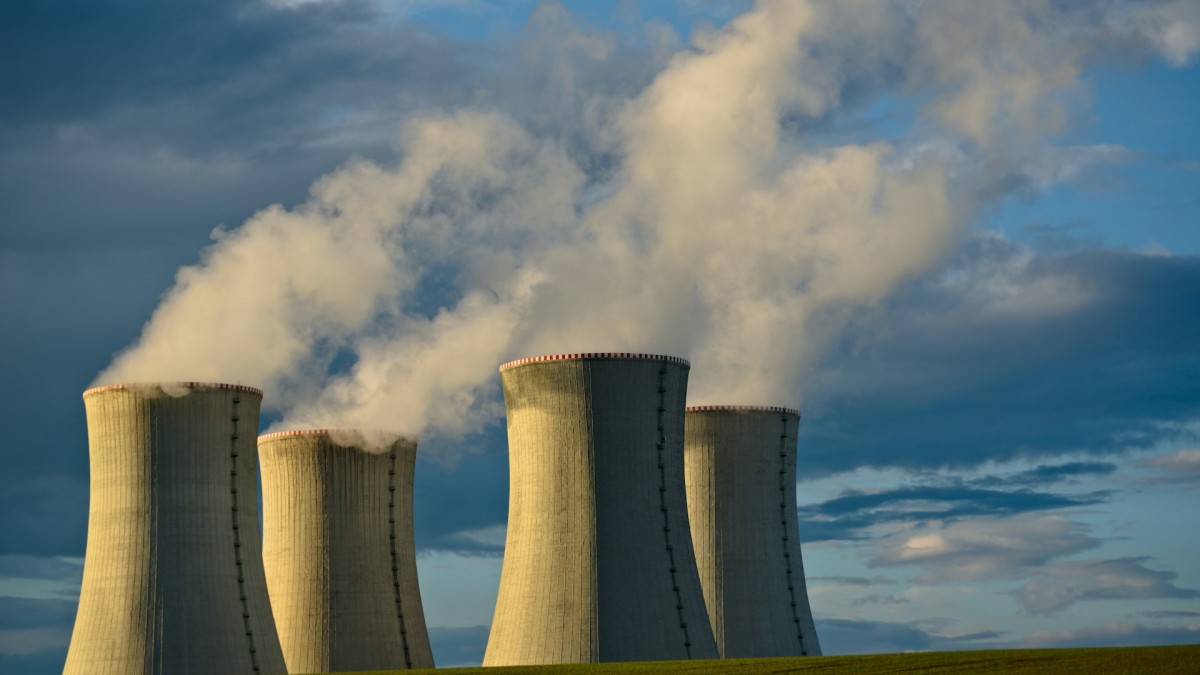
The United States remains the world's largest producer of nuclear power, accounting on its own for roughly one-third of global output. The country currently operates 96 commercial nuclear reactors at 57 power plants across 28 states. Yet even as that fleet stays highly productive, the domestic nuclear sector is aging out rapidly. All but two of the nation's reactors are Generation II models, meaning they were built before the year 2000. The average reactor in the United States is 44 years old, even though the vast majority were initially licensed to run for only 40 years. In practice, most of the existing fleet has stayed online through license renewals that extend operations to 60 years, and in some cases to 80 — a stopgap that keeps the lights on but does not add a single new reactor to the grid.
Over the past decade, the United States added just one nuclear power plant: Georgia's controversial Plant Vogtle. During the same period, China added a staggering 34 gigawatts of nuclear capacity, building out a fleet that now numbers more than 50 operating reactors and continues to expand with dozens more under construction. At this pace, China is on track to overtake both France and the United States to become the world's largest nuclear power producer within the next five years — a shift with consequences well beyond bragging rights, as countries that build reactors also set the standards, export the technology, and shape the supply chains that the rest of the world depends on.
"By a wide margin, China will have the world's most dynamic and significant nuclear industry through 2035," Damien Ma, energy lead analyst for Gavekal Technologies, wrote in a recent report, as quoted by the South China Morning Post in June. "Construction efficiencies mean China can build a new plant in about six years, compared with more than a decade for the latest Vogtle reactors in the US," Ma added.
Why, then, is the United States lagging so far behind China, especially when the Trump administration has stated its eagerness to "produce lasting American dominance in the global nuclear energy market"? One reason is that the United States is simply out of practice, with a workforce that no longer knows how to build a nuclear power plant. Another is the extensive red tape and regulatory hurdles involved in getting a new reactor plan off the ground under the oversight of the understandably cautious Nuclear Regulatory Commission. But the biggest reason, as always, is money.
Nuclear power plants require enormous up-front capital to develop, and nuclear megaprojects, like any megaproject, tend to run over deadline and over budget. When Plant Vogtle finally came online in 2024, it was years late and billions of dollars over budget. While Plant Vogtle provided indispensable learning experiences that would likely help streamline future projects, its high-profile reputation as a bloated disaster has proven a potent deterrent for would-be investors in similar projects.
"With each reactor a multi-billion-dollar endeavor, coupled with long development and construction phases and a complex regulatory process, investors are reluctant to invest in nuclear projects during the development phase, which can become 'bet the company' decisions for the developer/owner," The National Interest wrote in a recent report. But, the article argues, this is because the economics of nuclear energy are being approached the wrong way.
Financial modeling is narrowly focused on project-level returns within the timeframe of a given license, even though most power plants can operate efficiently for double that timespan. More importantly, these financial models fail to capture the broader long-term benefits associated with nuclear power, including energy security and public welfare. Moving beyond traditional financial models to incorporate more sophisticated economic impact models could more accurately account for the long lifespans of nuclear reactors and the broader societal benefits they deliver, ultimately helping to reassure would-be investors and incentivize the mobilization of government funds.
More sophisticated modeling would also help ensure that each new plant is better optimized to deliver these greater benefits. "Nuclear projects are important for public welfare and critical infrastructure with political implications, but they are costly and finite in number. This means that each potential plant should be fully scrutinized to maximize social utility," The National Interest writes. This is particularly critical at a time when the AI energy demand boom is pushing the private and public sectors to develop new energy resources as fast as possible, with diminished regard for public wellbeing, environmental impact, and oversight and safety measures. How the United States rebuilds its nuclear construction capability — and whether financing models evolve to support it — will go a long way toward determining whether the coming wave of reactor projects materializes or repeats the Vogtle experience.
By Haley Zaremba for Oilprice.com
