Judge Orders DOJ to Disclose Architects of Trump's $1.8 Billion 'Anti-Weaponization' Fund; Department Appeals
Key Takeaways
- •U.S. District Judge Ivan D. Davis ordered the Justice Department to disclose who conceived the $1.8 billion anti-weaponization fund, rejecting all of the department's legal arguments for secrecy.
- •The fund, now abandoned, was designed to compensate people who claimed they were unfairly investigated or prosecuted by the Justice Department and emerged from settlement talks with January 6 defendants and others.
- •The names must be disclosed to plaintiffs' attorneys but will remain private unless the lawsuit proceeds to trial.
- •The Justice Department immediately appealed the ruling, raising the question of how far executive-branch privilege extends over internal deliberations about a defunct program.
- •The same judge also ordered the department to produce relevant evidence dating back to January 2025, a ruling the administration is separately appealing.
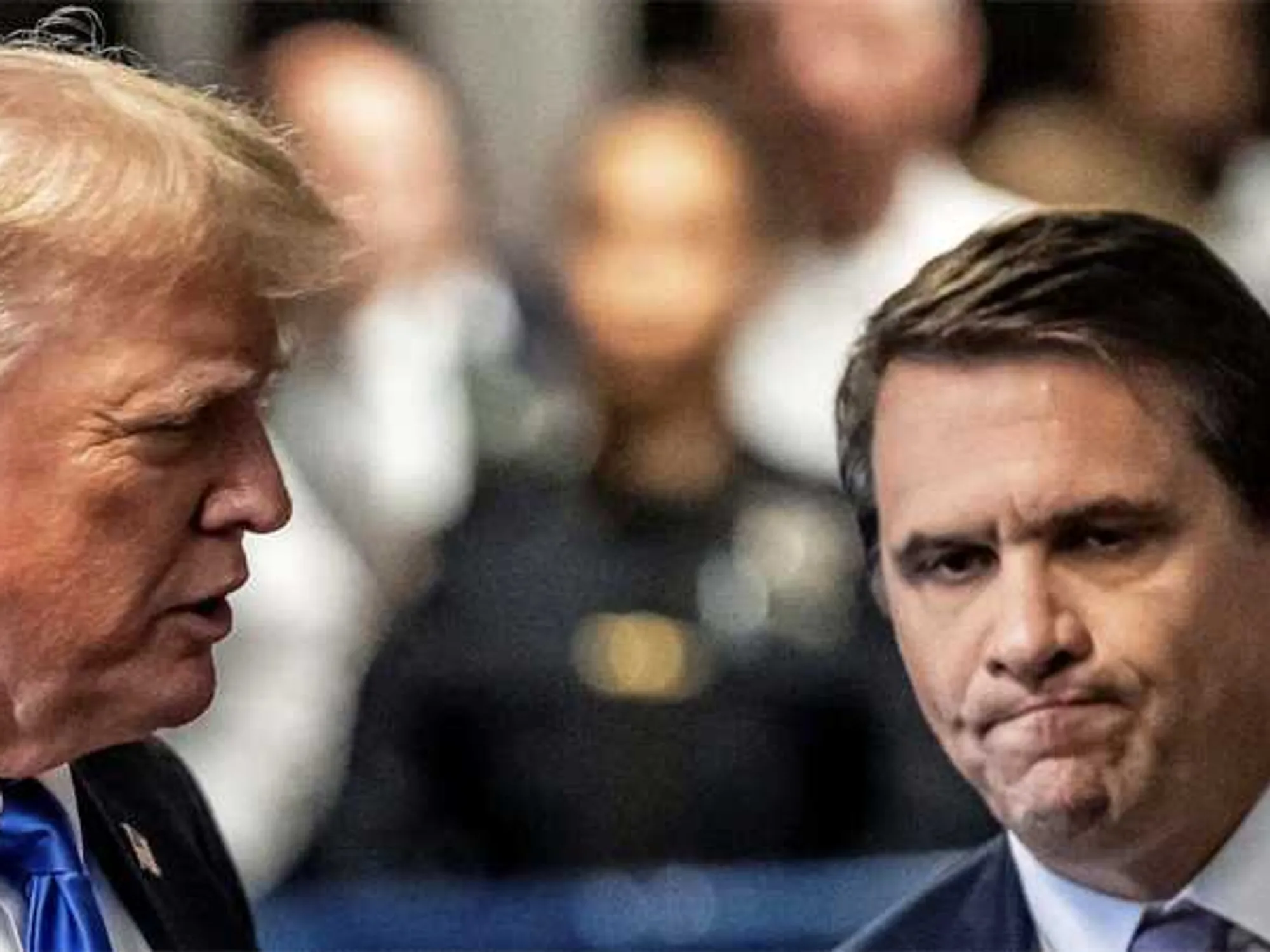
The Trump Justice Department moved to fight back Friday after a federal judge ordered it to reveal who devised a controversial $1.8 billion so-called anti-weaponization fund, rejecting every argument officials had made to keep the names hidden.
The now-abandoned fund was intended to pay people who claimed they were unfairly investigated or prosecuted by the Justice Department. It emerged from settlement talks resolving lawsuits brought by January 6 defendants and others who alleged they were politically targeted during prior investigations. But a bipartisan chorus of critics forcefully rejected the proposal as an unconstitutional taxpayer-funded giveaway benefiting President Donald Trump's political supporters, and the department ultimately walked away from it.
The disclosure fight is part of a broader lawsuit in which plaintiffs are challenging the fund's legality, and it now turns in part on a procedural question with significant practical stakes: whether the people who conceived a government program can remain anonymous while litigation over that program proceeds.
"Who came up with it? That's what conception means," U.S. District Judge Ivan D. Davis said during a hearing Friday, according to The Washington Post.
Davis ruled that the names must be disclosed to attorneys representing the plaintiffs, "over the repeated objections of the Justice Department." Their identities, however, will remain private unless the lawsuit reaches the trial stage, the outlet added.
The Justice Department immediately moved to appeal Davis' decision, meaning an appellate court could soon weigh in on how far executive-branch privilege protections extend over internal deliberations about a defunct program.
"For weeks, Justice Department attorneys resisted demands to identify the people who conceived of the fund, trying several different legal arguments to prevent such disclosures," the Post reported. "Davis rejected all of them."
Aman George, an attorney with Democracy Forward who is representing the plaintiffs, argued that the identities behind the payout scheme are essential to the case because attorneys cannot determine whose records to seek or whom to question without knowing everyone behind the fund.
"They seemed hesitant to disclose the names of the people involved in this work," George said at Friday's hearing, according to the Post. "The names of attorneys, by itself, is simply not a piece of privileged information."
The Trump administration is also appealing another loss after the same judge ordered the department to produce any relevant evidence dating back to January 2025 — a timeframe that covers the start of the current administration and the period in which the fund was conceived and then abandoned.
