Immigration Expert Condemns Trump Birthright Rule Defying Supreme Court: 'Impeach Everyone Responsible'
Key Takeaways
- •An interim final rule signed by Homeland Security Secretary Markwayne Mullin declares U.S.-born children of non-citizen foreign government employees ineligible for birthright citizenship.
- •The rule took effect upon filing and applies to children born on or after that date, with publication scheduled for Sept. 9 and a 30-day comment period.
- •Unlike the previous exemption limited to accredited foreign diplomats on the State Department's Blue List, the new definition covers foreign embassy, consulate, and foreign government employees with immunity, but excludes personal staff, contractors, and third-country nationals.
- •The rule offers voluntary lawful permanent residence registration, with fees of $1,440 for paper or $1,390 for online filings and an estimated total family cost of nearly $2,000.
- •U.S. District Judge Deborah Boardman enjoined the related Aug. 6 executive order as to a certified class of families, and further litigation is expected over the rule's reach beyond class members.
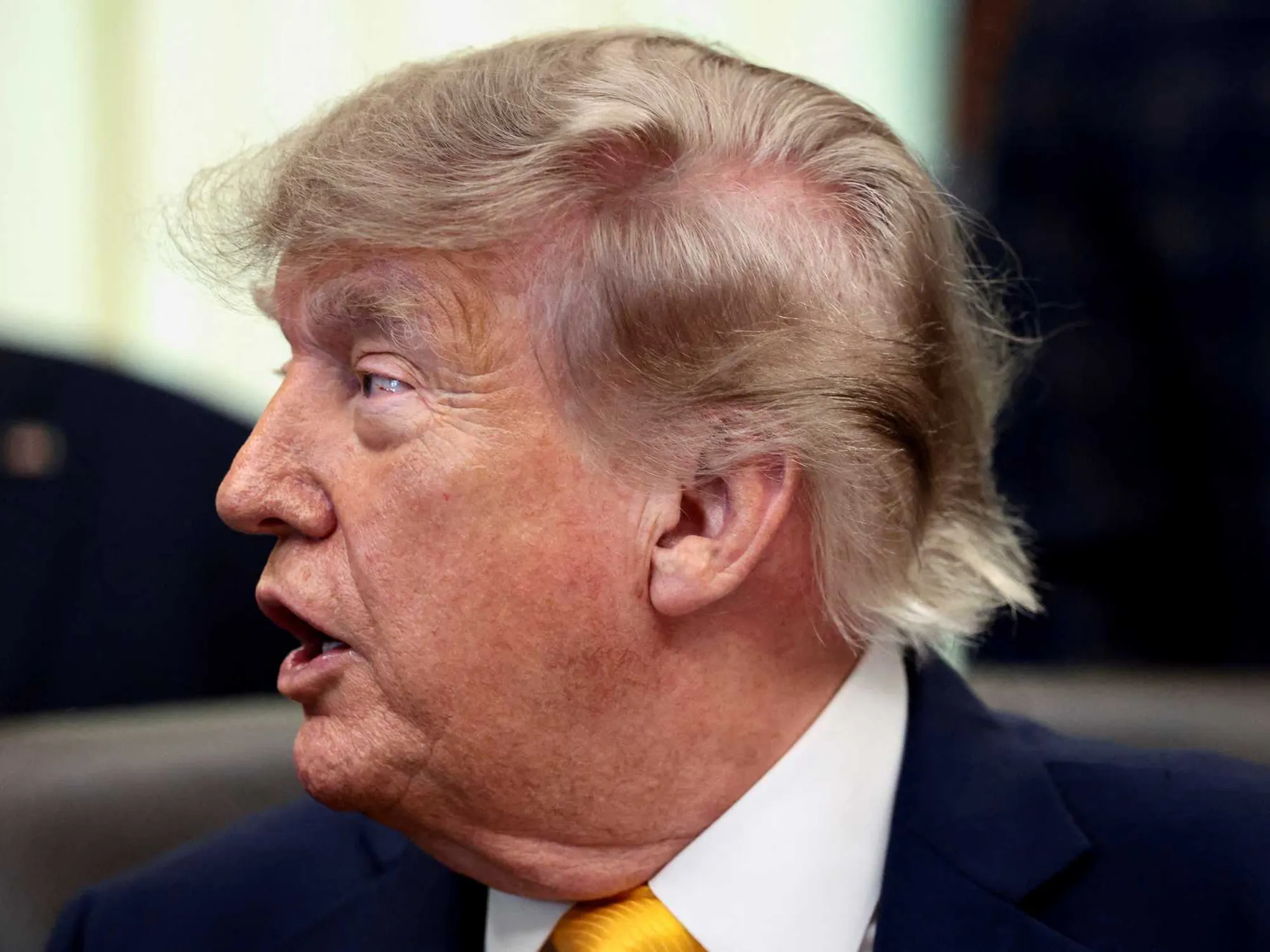
A new rule from President Donald Trump's administration declaring that U.S.-born children of foreign government employees are not citizens drew immediate criticism from an immigration expert, who called for the impeachment of officials behind what he described as defiance of the Supreme Court. The move is the latest step in a running conflict between the administration and the courts over who qualifies for citizenship under the Fourteenth Amendment, and it arrives while a federal injunction already bars enforcement against a certified class of affected families.
Homeland Security Secretary Markwayne Mullin signed the interim final rule, which U.S. Citizenship and Immigration Services filed with the Federal Register late Friday afternoon. The rule took effect upon filing and applies to children born on or after that date, according to the document, with publication scheduled for Sept. 9. An interim final rule is a type of regulation that takes legal effect before the public has a chance to comment, a mechanism agencies typically reserve for matters they say cannot wait.
"A person born in the United States to a foreign government employee is not subject to the jurisdiction of the United States for purposes of birthright citizenship, unless at least one parent of the person is a United States citizen," the rule states. "That person is not a United States citizen under the Fourteenth Amendment to the Constitution."
David J. Bier, director of immigration studies at the Cato Institute, posted his reaction within minutes of the filing. The Cato Institute is a libertarian-leaning Washington think tank that has frequently criticized restrictions on immigration.
"HA! Sorry. That's not a thing," Bier wrote. "Either you're subject to US jurisdiction or you're not."
"You don't get to say 'subject to all US laws, except for birthright citizenship, so we can still prosecute you for crimes,'" he continued.
The Supreme Court has long recognized a narrow exception to birthright citizenship for the children of foreign diplomats, who are shielded from American law by diplomatic immunity. The rule leans on that history, citing the court's 1898 ruling in United States v. Wong Kim Ark, which affirmed birthright citizenship for a U.S.-born child of Chinese nationals and remains the foundational case on the meaning of the Fourteenth Amendment's citizenship clause.
"Ambassadors are not subject to US jurisdiction because they have immunity," Bier wrote in a second post. The administration is unwilling to extend that immunity to every foreign government worker, he wrote, and so "it's trying to have its birthright cake and eat it too."
Until Friday, only the children of accredited foreign diplomats were exempt from birthright citizenship, according to the rule. Those diplomats were identified by their place on a State Department roster known as the Blue List, which the department stopped publishing in 2020.
The new definition is broader, the rule says. It covers anyone employed by a foreign embassy or consulate who is a citizen of that country, anyone employed by a foreign government in an official capacity, and employees of international organizations that carry immunity. The definition does not reach chauffeurs, housekeepers, and other personal staff hired by individual officials rather than by governments, the rule says, and it excludes contractors and third-country nationals working at a foreign embassy.
"[USCIS] is amending its regulations to permit children born in the United States to 'foreign government employees' who are not U.S. citizens to register for permanent residence," the summary of the rule says. The title of the document describes the same thing, calling it a registration of lawful permanent residence, while the line denying citizenship sits further down, in a section on who is subject to U.S. jurisdiction.
Registration is voluntary, the rule says, and the application carries a filing fee of $1,440 for paper filings or $1,390 for online filings. The department estimates the total cost to each family at nearly $2,000.
The Department of Homeland Security cannot say how many children are affected because it has never tracked them separately, the rule says. The State Department reports the country hosts more than 124,000 foreign mission members and their dependents.
The department skipped the usual public comment period, invoking an exception for actions that touch foreign affairs, according to the rule. Comments will be taken for 30 days.
The Supreme Court ruled on June 30 that the Fourteenth Amendment guarantees citizenship to children born on American soil, including those whose parents are in the country unlawfully or temporarily. The decision struck down an order Trump signed on his first day back in office in January 2025.
Trump signed a second executive order on Aug. 6 naming narrower categories of children he argued fall outside that guarantee, among them the children of foreign government employees. The order gave agencies 30 days to issue public guidance on how to carry it out, according to its text, with that deadline falling on Saturday.
U.S. District Judge Deborah Boardman blocked that order on Wednesday, barring the government from enforcing it against families covered by a certified class-action lawsuit, according to Law Commentary. She found the challengers likely to win their constitutional claim. Because that injunction covers only the certified class, the rule's reach beyond class members is likely to be tested in further litigation.
"DHS will not take actions to implement the rule specifically to any member of the certified class … unless and until the government obtains relief from the injunction," the document says. The rule was filed two days later.
"Impeach everyone who is responsible for this defiance of the Supreme Court," Bier wrote.
