Trump Ousts Chief of Staff Susie Wiles, Elevates Stephen Miller in Reshuffle Signaling Battle With Investigators
Key Takeaways
- •President Trump ousted Susie Wiles as White House chief of staff and elevated Stephen Miller, his hard-line immigration adviser, following midterm election losses widely viewed as a rejection of his presidency.
- •Wiles resigned before she could be dismissed, after Trump reportedly yelled at her and blamed her for the defeats, despite repeated White House statements that her job was not in jeopardy.
- •The New York Times reported that Miller has shown no interest in compromising with congressional Democrats and is ready for fights over subpoenas and investigations, with rebuilding the fractured MAGA coalition as his top priority.
- •Miller, 41, previously worked for former Senator Jeff Sessions, helped shape Trump's anti-immigration policies and the travel ban targeting predominantly Muslim countries, and his campaign record cost Trump 20 points of Hispanic voter support compared with 2024.
- •Commentators from NBC and Fox said Miller's elevation dramatically reduces the chances of substantive cooperation with the incoming Democratic Congress and signals the president is girding for battle rather than negotiation.
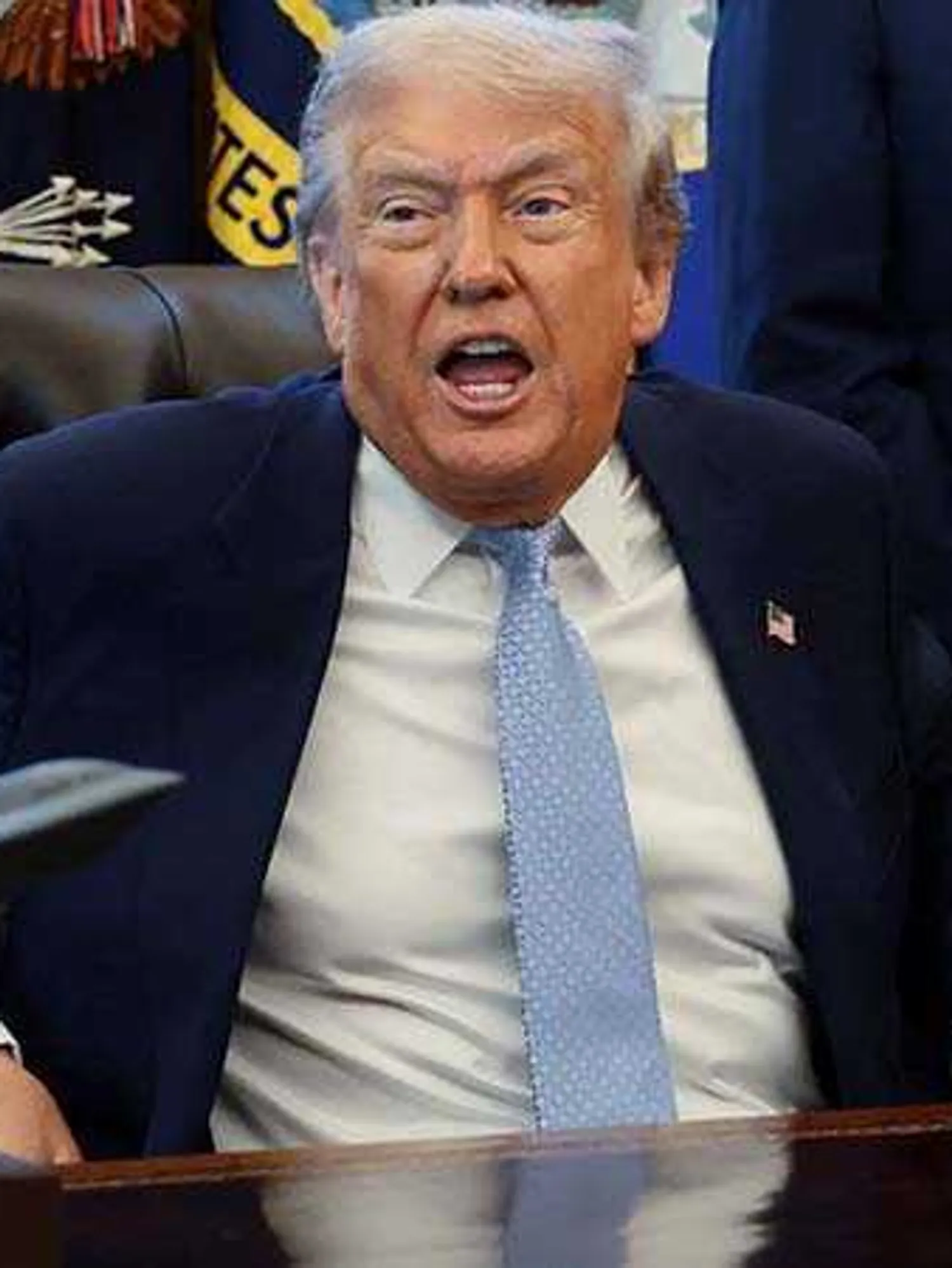
President Donald Trump has ousted Susie Wiles as White House chief of staff and elevated Stephen Miller, his hard-line immigration adviser, in a reshuffle that follows midterm election results widely viewed as a sweeping repudiation of his presidency, his policies and the multifront MAGA campaign to burn down trust in U.S. institutions. The chief of staff sits at the center of West Wing operations — deciding who gets access to the president and how information and decisions reach the Oval Office — which is why the identity of the person holding the job is closely watched as a signal of how a White House intends to govern.
The move came after several days in which a subdued Trump had sounded almost conciliatory about working with the incoming Democratic opposition for his final two years in office — before, according to accounts of the fallout inside his circle, erupting in fury as he searched for scapegoats for an embarrassing loss.
While a president may choose his own advisers without congressional approval, the selection of Miller — the figure most closely associated, in the account published by Alternet, with the war in Iran, the war on immigrants and an unrelenting campaign against Trump's political enemies — reads as a dismissal of the midterm electorate's central messages: an end to high costs, war and chaos, and, as the analysis puts it, the widely perceived corruption of the Oval Office for the financial gain of family and friends.
Politicians across party lines, media outlets reflecting different points of view and voices across the internet converged on a single verdict: choosing Miller meant putting the fox in charge of the hen house. Whether Wiles — described in the analysis as an enabler of Trump of the highest order — deserved to be shown the door is hardly the issue, the argument goes. The choice of Miller signals that the disorder and executive authoritarianism Trump has embraced will remain the path.
Criticizing the Appointment
Trump has praised Miller as a “great manager” and a trusted adviser, despite continuing reports and observations describing Miller — a hyper-focused and intensely loyal strategist — as extremely abrasive and tactless, and wedded to core MAGA beliefs about resorting to personal cruelty in pursuit of a white America of privilege.
If the midterms' overall message was a call for a kinder, humanitarian approach to everything from war to health care access; recognition that mass deportation has run amok; and alarm that tariffs, service cuts and the elimination of food and health supports are creating serious problems, the selection of Miller is a sign that the White House expects to deliver more of the same.
Rather than prompting a rethink, the appointment alone amounts to a call to arms for the bevy of congressional investigations about to launch, for legislative fights over the restoration of health, social service, education and environmental cuts, and for an acceleration — rather than a slowdown — of deportation and political prosecution attempts by the administration.
The choice of Miller is a clear signal that Trump still considers Congress irrelevant, and that his path will run through executive orders first, with delay and appeals of any interference by lawmakers or judges later.
The New York Times summarized the “clear signal” Trump is sending as “how little he intends to alter his approach in response to the most decisive political rout in half a century. . . People close to Miller said he had shown no interest in compromising with congressional Democrats and was ready for a fight over subpoenas and investigations.” Miller's top priority is rebuilding the fractured MAGA coalition. (The New York Times)
Miller is loathed by most Democrats, who, as The Hill reported, view him as “xenophobic and racist,” resistant to compromise and “preferring a combative approach to pushing the Trump agenda.” (The Hill)
Across the internet, news sites and social media posts seized on the move as noteworthy evidence that Trump is refusing to look anew at any of his choices despite the overwhelming rejection at the polls.
NBC News chief Washington correspondent Garrett Haake said, “The chances of President Trump working with the incoming Democratic congress on anything of substance just went down dramatically.” Fox News chief political anchor Bret Baier said Miller's elevation “signals that the president is girding for a battle” rather than reaching out to negotiate with Democrats.
Choosing Miller
Miller, 41, worked for conservative Republicans, including former Sen. Jeff Sessions, R-Ala., where he helped craft anti-immigration positions. He joined Trump as a policy adviser and speechwriter, where he helped shape Trump's anti-immigration policies and the travel ban targeting predominantly Muslim countries. He is the figure calling for quotas of arrests by the Department of Homeland Security and advising the Justice Department against prosecuting agents involved in shootings, including of U.S. citizens.
Miller's appointment was immediately endorsed by War/Defense Secretary Pete Hegseth, who is facing his own crisis with Trump, who is seeking to blame someone other than himself for launching the war with Iran. Miller, who pushed for the war but now wants a way out to assuage voters, is a Hegseth supporter.
Wiles's Exit
The inside reporting by several news outlets has been that it was Wiles who had advised Trump to pay attention to what voters were saying and to open his plentiful campaign coffers to help save Republicans in trouble. Instead, Trump reportedly ended up yelling at Wiles in front of others and blaming her for the huge losses. She quit before she could be dismissed — and after multiple statements from the White House that her job was not in jeopardy.
By contrast, Miller's immigration record turned a Trump positive into a Trump negative during the campaign, costing 20 points of Hispanic voter support from 2024. Miller's promotion of the war with Iran helped push Trump to launch U.S. forces, but drew boos from voters.
MediaMatters.org noted that within hours of the midterm wipeout, right-wing media began airing fearful reports about more migrant caravans forming in Honduras for the long trek to a closed U.S. border, now that a Democratic-majority Congress has been elected.
Looking Ahead
Anyone who believed the election marked an emphatic, enforced end to Trump's policies may want to reconsider: the signals point to dug-in resistance on all sides. The earliest flashpoints are already visible on the record: the opening subpoena fights and investigations of the incoming Democratic Congress, legislative battles over restoring health, social service, education and environmental cuts, and an administration plan to govern through executive orders while contesting interference from lawmakers and judges through delay and appeals.
About the author: Terry H. Schwadron retired as a senior editor at The New York Times, served as deputy managing editor at The Los Angeles Times and held leadership roles at The Providence (R.I.) Journal-Bulletin. He was part of a Pulitzer Gold Medal team in Los Angeles, and his teams were part of several Pulitzers in New York.

