Tom Nichols Warns Trump's Growing Isolation Makes Him 'Incredibly Dangerous'
Key Takeaways
- •Tom Nichols argues that Trump's growing isolation has removed internal checks on his decisions, making him increasingly volatile and what Nichols describes as dangerous.
- •Cabinet officials and advisers have been compelled to abandon their principles to conform to Trump's policy demands, including Vice President JD Vance who opposed the Iran war but now publicly defends it.
- •Nichols contends that Trump's fixation on tariffs and NATO has caused measurable economic and diplomatic damage, undermining alliances established over decades.
- •Unlike previous Republican presidents such as George W. Bush and Ronald Reagan, Trump is characterized as uniquely unwilling to take responsibility for missteps, instead shifting blame to his own officials.
- •Nichols rejects the narrative that Trump is misled by crafty advisers, asserting that the president is fully responsible for his own decisions and beliefs.
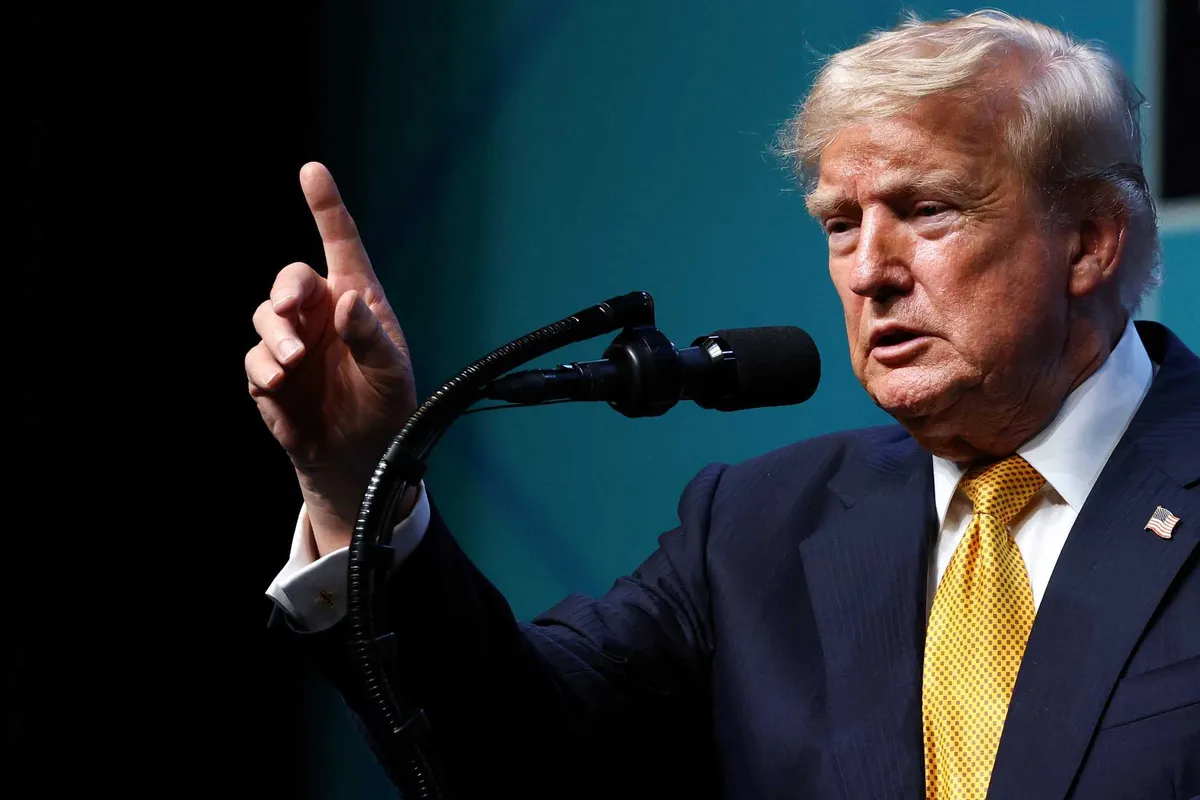
President Donald Trump is becoming increasingly isolated, a trend that is amplifying his volatility, according to former Naval War College professor Tom Nichols, who laid out his concerns in a column for The Atlantic. Nichols argues that those who remain in Trump's orbit have been compelled to abandon their core convictions, leaving fewer internal checks on decisions that now carry broader political and diplomatic consequences.
"Trump's detachment from reality is sometimes amusing and often alarming, but the price of his irrationality until now has been mostly economic and reputational (or, in the case of the Reflecting Pool, aesthetic, now that the cases against innocent Americans have been dropped)," Nichols wrote. "His belief in tariffs, for example, is a flatly irrational attachment to a tool that has been proven, over and over, to harm Americans. Likewise, his fixation on NATO has undermined decades of careful diplomacy and weakened the strongest alliance in history."
Speaking on a Thursday afternoon MS NOW panel, Nichols characterized Trump as trapped in a form of denialism.
"I mean, we've humored him right into a war," Nichols said. He referenced the role of Todd Blanche, describing him as someone tasked with protecting the president from himself. "A lot of this in the past has been explained away as: if only Trump really, you know, knew what everybody was up to."
Trump biographer Tim O'Brien previously likened the dynamic to a "Soviet structure." Nichols expanded on that comparison: "You can even go back to it's the wise czar. You know, if only he knew what his crafty princes were up to. But that's not the case."
"He is alone, cocooned in his own beliefs. There is nobody around him to tell him the truth, or even to, you know, suggest to him that maybe some of the things he wants to do are bad ideas, and that makes him incredibly dangerous," Nichols said.
The panel then discussed the extent to which Cabinet officials have been forced to set aside their principles — and even their MAGA ideology — to align with whatever policy Trump demands. Nichols pointed to the situation with Iran as a prominent example. Vice President JD Vance had been a staunch proponent of the "America First" doctrine, which held that the United States should avoid further foreign wars. That conviction was a central reason Vance did not support Trump's war with Iran, yet he has since been compelled to publicly defend the decision.
"There isn't anybody in Trump's orbit who hasn't had to mortgage their soul for pennies on the dollar at this point, no matter what they may have believed or said or once claimed to believe," Nichols continued. "They've had to put it all on the altar of Donald Trump's ego."
Addressing Vance's situation specifically, Nichols said this pattern is unique to Trump. He cited previous Republican presidents — including George W. Bush and Ronald Reagan — and argued that none of them would have made a major misstep and then attempted to shift the blame onto their vice presidents.
A video segment of the discussion is available on YouTube.

