Trump's Supreme Court Immunity Shield Could Be Reversed by a Future Court
Key Takeaways
- •The Supreme Court's July 2024 Trump v. United States ruling was the first to recognize immunity from criminal prosecution for a president's official acts.
- •Legal analyst Jordan Rubin said the justices can overturn any precedent, and a Democratic presidential win in 2028 could produce a 5-4 Democratic-appointed majority if replacements are named for Clarence Thomas and Samuel Alito.
- •Trump's appeal of his hush money conviction raises a narrow immunity-related evidentiary question that could give the Supreme Court an opening to also overturn the broader immunity precedent.
- •Renewed prosecution of Trump faces significant obstacles, including the Justice Department's dropped 2020 election interference case, potential statute-of-limitations disputes, and the possibility of a self-pardon before he leaves office in 2029.
- •Justice Sonia Sotomayor, who led the dissent in the immunity case, has said she hopes the ruling will be overturned during her lifetime.
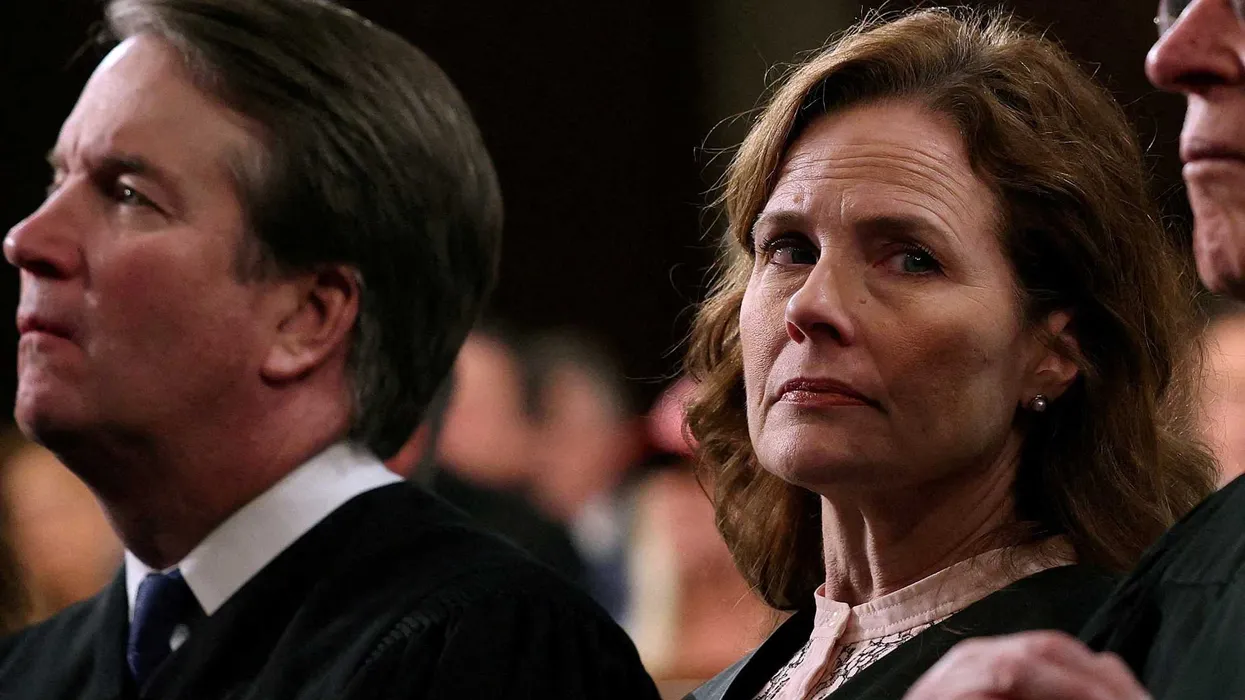
The legal shield that protected President Donald Trump from prosecution could ultimately work against him, potentially leaving him exposed to future criminal indictments, according to a legal analyst.
In MS NOW's Ask Jordan column, a reader asked whether Trump could face prosecution if a future Supreme Court reverses the ruling that a president is immune for crimes committed in office.
MS NOW legal analyst Jordan Rubin, a former prosecutor, replied that "The Supreme Court can overturn any ruling it wants to" — including the 2024 presidential immunity ruling in Trump v. United States. That 6-3 decision, issued in July 2024, was the first in which the Supreme Court recognized immunity from criminal prosecution for a president's official acts.
Rubin pointed out that Justice Sonia Sotomayor, who led the court's three Democratic appointees in dissent in that case, recently said she hopes the ruling will be overturned during her lifetime. The Obama appointee, at 72, is the third-oldest justice on the court, behind GOP appointees Clarence Thomas (78) and Samuel Alito (76). Thomas has served on the court since 1991, and Alito since 2006.
If a Democrat wins the presidency in 2028 and appoints replacements for Thomas and Alito, the court's composition would shift from a 6-3 majority of GOP-appointed justices to a 5-4 majority of Democratic appointees.
To overturn a precedent, Rubin explained, the justices would need to take up a new case to serve as a vehicle. The court has recently demonstrated its willingness to revisit landmark rulings — in 2022, it overturned Roe v. Wade, a nearly five-decade-old precedent, in Dobbs v. Jackson Women's Health Organization. With presidential immunity, however, it is unclear how the issue would reach such a hypothetical Democratic-appointed majority, since there is not a lineup of former presidents facing prosecution.
Trump is indeed appealing his hush money conviction partly on immunity grounds, Rubin acknowledged, but that case turns on a narrow question — namely, whether state prosecutors acted improperly in using evidence of Trump's official acts to convict him of an unofficial act. If the case reached a Supreme Court with a Democratic-appointed majority, the justices could resolve the narrower evidentiary issue while also taking the larger step of overturning the underlying immunity precedent.
As for prosecuting Trump again, Rubin wrote that it appears to be a long shot for a variety of legal and practical reasons. The Justice Department dropped the federal 2020 election interference case brought by Special Counsel Jack Smith, citing its policy against prosecuting sitting presidents after Trump's victory in the November 2024 election. Whether Trump could be prosecuted after he leaves office in 2029 therefore does not hinge solely on the immunity question.
If a future Justice Department were to attempt to resurrect the charges, one of the ensuing legal fights would be over whether the statute of limitations is forgiven, or whether the DOJ's decision not to prosecute a sitting president amounts to a windfall for the defendant.
Trump could also attempt to pardon himself before leaving office. If the courts were to approve a self-pardon, that would moot the other issues.
Ultimately, Rubin concluded, Trump's victory in the 2024 election may have saved him. But a future Supreme Court could reverse the immunity ruling so that future presidents would not enjoy the same advantage.

