Expert warns of 'chaos' after Trump DOJ election appeal
Key Takeaways
- •The Justice Department appealed a lower court order that blocked the administration's effort to severely limit mail-in ballots.
- •The legal dispute comes with fewer than 100 days remaining before the midterm elections.
- •Elie Honig said the Supreme Court can still consider the case through its emergency, or shadow, docket despite being out of session.
- •Five justices would need to agree to intervene in the case on the emergency docket.
- •Honig said a Supreme Court decision allowing the order to proceed could lead to chaos.
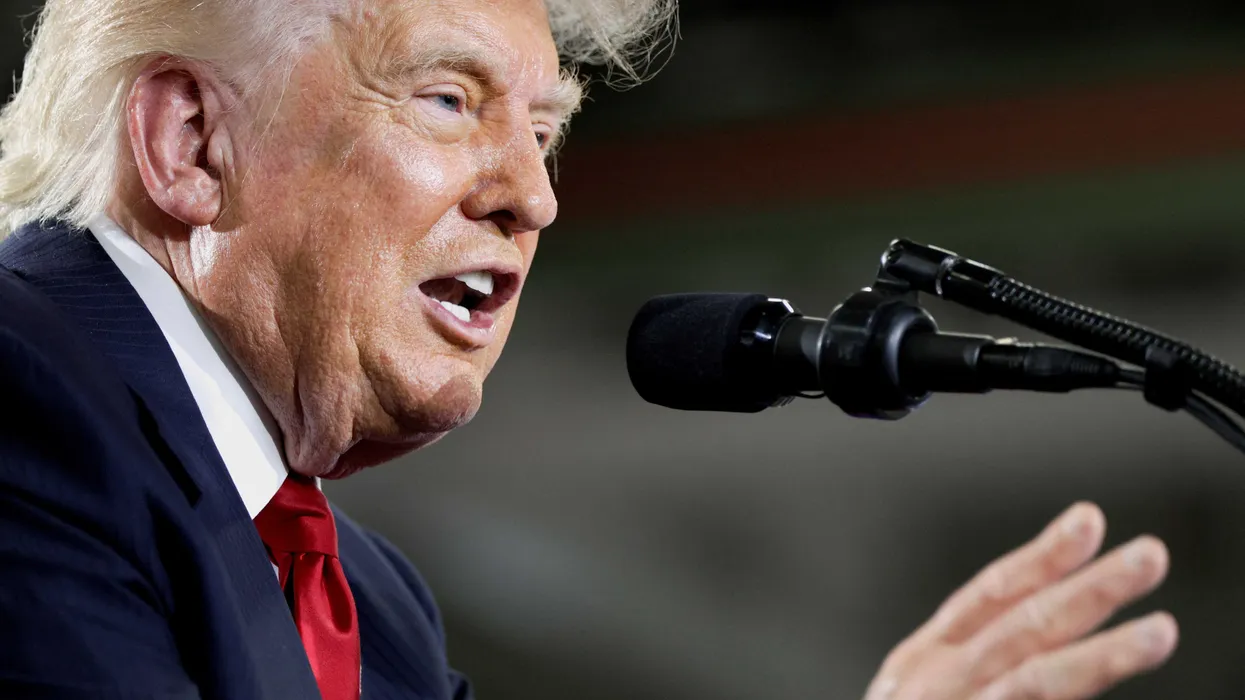
President Donald Trump's Department of Justice may be seeking a quiet victory at the Supreme Court with its latest move, according to one legal expert.
Elie Honig, CNN's senior legal analyst and a former federal prosecutor, raised concerns Monday on "The Lead" after the DOJ appealed a lower court order that blocked the administration's effort to severely limit mail-in ballots with fewer than 100 days remaining before the midterms.
"First of all, the courts have made clear time and again that you are not supposed to mess with the rules around elections if we get too close to elections, and now we are really close to elections," Honig said.
Honig said the Trump administration still has a path to the Supreme Court even though the court is currently out of session.
"So, the Supreme Court is out of session now, but they are still considering cases on what we sometimes call the emergency docket or the shadow docket," Honig said. "It takes five of the nine justices to intervene in a case off of the emergency docket; no matter what the Supreme Court does, they're going to be involved because if they turn this case down, then the lower court, the Court of Appeals ruling stands, which blocks this executive order. That's option one."
That procedural path matters because election-related disputes can move on compressed timelines, and any Supreme Court action now would come in the middle of a fast-approaching campaign calendar rather than through the court's normal full briefing process.
"Option two, if the court decides to get involved, then they might agree that this is causing chaos and [is] against the Constitution, or they might overturn it," Honig said.
He then outlined another possibility.
"They might say, 'Go ahead. You can try to move forward with this.' But if that's the case, then we're going to have chaos," Honig said.

