Trump Said to Be Trapped in a Wealthy Bubble as Economic Warning Signs Mount
Key Takeaways
- •MS NOW producer Charlie Herman wrote that Trump's backing of cryptocurrency and AI data centers, two technologies viewed negatively by many voters, suggests he is out of step with public opinion on the economy.
- •The White House staff includes 57 people worth at least $100 million, a concentration of wealth that exceeds recent predecessors and reflects what Herman called a 'K-shaped' administration.
- •The national debt has surpassed $40 trillion, gas prices continue to climb, and long-term interest rates have reached their highest levels in nearly two decades.
- •Investor fears about inflation, the size of the federal debt, and billions in corporate borrowing to finance AI are pushing yields on U.S. government bonds to new highs.
- •Rising yields increase the risk of a 'doom loop' in which the government must borrow more to cover higher interest payments, pushing the national debt even higher.
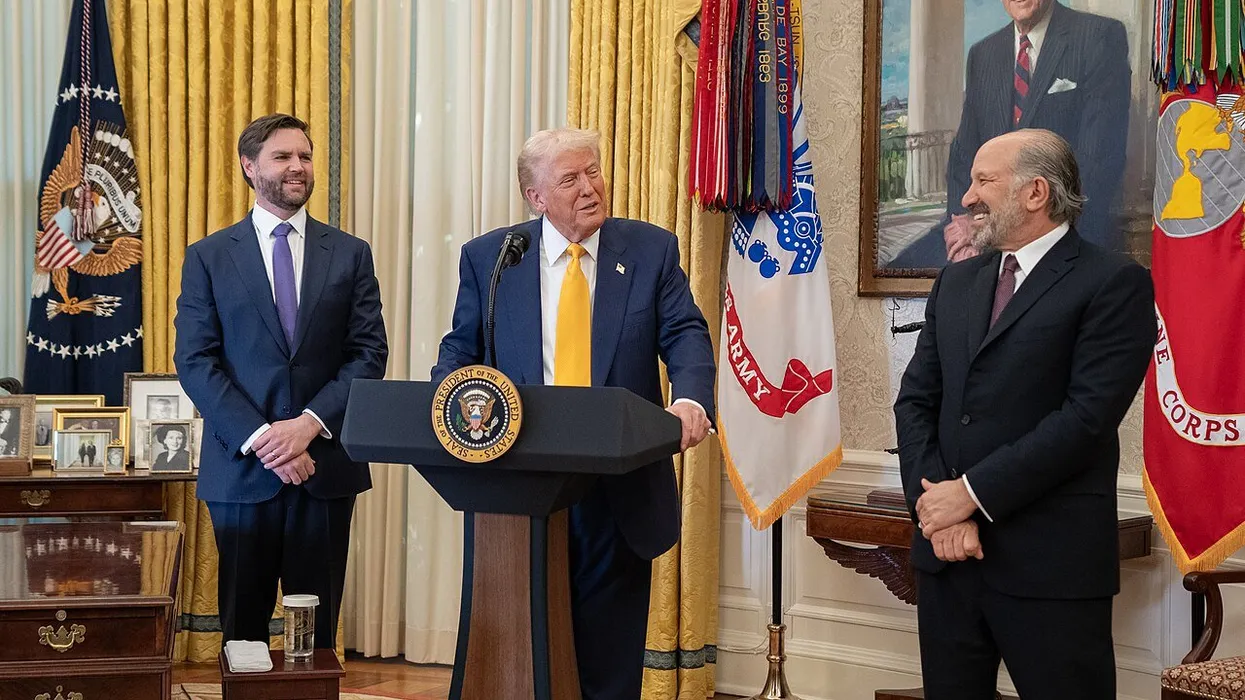
Economic warning signs are increasing in both number and intensity, but according to a new MS NOW piece, President Donald Trump is too insulated inside his own ultra-wealthy "billionaire bubble" to recognize the approach of his own political "doom."
In a piece published Saturday morning, MS NOW producer Charlie Herman argued that although Trump has long portrayed himself as more in touch with average Americans than typical politicians, his actions this week "offered signs that he may be out of step with public opinion, especially when it comes to the economy."
Herman said the president appears especially focused on backing technologies that have become increasingly "toxic" among voters, in large part because they are supported by his ultra-wealthy allies. As those issues absorb the administration’s attention, ordinary voters and consumers are continuing to struggle under the weight of the Trump economy, while the president appears almost willfully blind to the "warning lights" that could spell political trouble for him and the GOP.
"Trump is embracing cryptocurrency even as Americans express concern about his financial ties to the industry," Herman wrote. "He’s touting artificial intelligence data centers that have become politically toxic. And his administration is filled with multimillionaires and billionaires to a degree unmatched by his predecessors."
He continued: "Outside the White House bubble, warning lights are flashing. Gas prices keep climbing. The national debt just passed $40 trillion. And investors are pushing long-term interest rates to levels not seen in nearly two decades, reflecting concerns about inflation, borrowing and the economy. Taken together, these developments raise questions about how removed the president may be from the economic concerns of many Americans."
Herman also argued that Trump’s blindness is being intensified by what he described as a "K-shaped" administration. The phrase refers to the idea of a "K-shaped economy," in which conditions improve for the wealthy while worsening for everyone else, a pattern that experts have said reflects the current shape of the U.S. economy under Trump. According to Herman, the president has staffed his White House with 57 people worth $100 million or more, far more than his immediate predecessors.
"Trump told middle-class voters he would represent their interests and tackle high prices on Day 1," Herman wrote. "Instead, he has gilded the White House not just in gold but with the ultra-wealthy."
The contrast matters because the same economic pressures that shape household budgets also affect Washington’s borrowing costs and the broader debate over debt, inflation and AI-related investment. Herman noted that worsening conditions have created the conditions for what economists call a "doom loop." In that scenario, investors demand higher interest rates when buying American debt, forcing the government to borrow more in order to cover those payments and pushing the national debt even higher.
Herman wrote that "Investors’ fears about inflation, the federal debt now totaling more than $40 trillion, and billions in corporate borrowing to finance AI are pushing yields (basically, long-term interest rates) on U.S. government bonds to new highs," moving Trump’s economy closer to that scenario.

