Telegram Founder Pavel Durov Says Russia Designated Him a "Terrorist" Over Refusal to Enable Mass Surveillance
Key Takeaways
- •Pavel Durov claims Russia designated him a terrorist after he refused to implement mass surveillance and censorship on Telegram.
- •Russia's Federal Security Service accused Durov of facilitating terrorism by allowing channels tied to extremist groups and Ukrainian intelligence to operate on the platform.
- •Durov faces separate legal challenges in France, where he was arrested in August 2024 over alleged content moderation failures, and in Australia, where regulators initiated court proceedings this week concerning terrorism-related content.
- •Russia previously attempted to block Telegram in 2018 after Durov refused to share encryption keys with the FSB, but abandoned the ban in 2020 after it proved ineffective.
- •Telegram reports over 900 million monthly active users and has positioned encryption and minimal moderation as foundational principles despite growing government pressure worldwide.
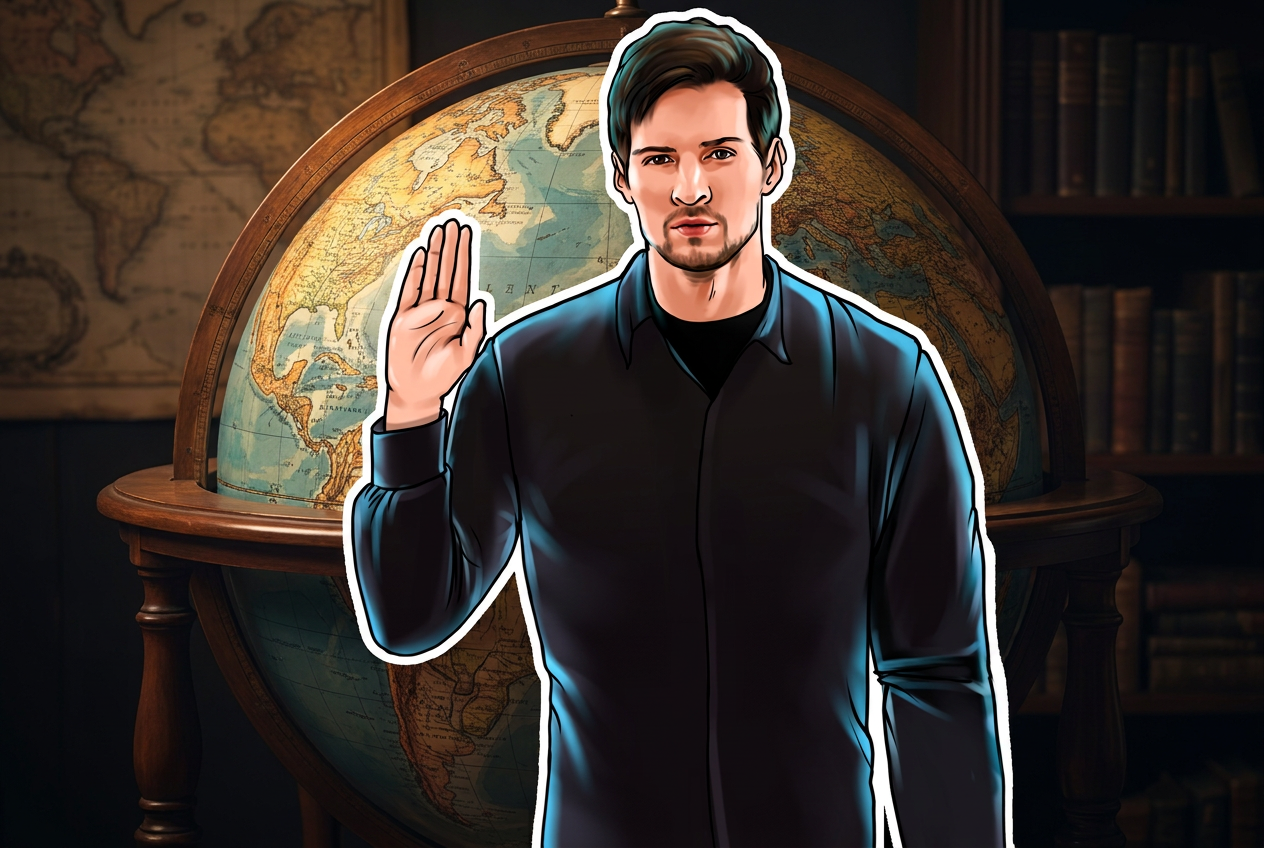
Telegram founder Pavel Durov stated that Russian authorities designated him a "terrorist" after he refused government demands for mass surveillance and censorship on the messaging platform. Durov made the remarks publicly one day after Russia announced charges against him.
In a Telegram post on Thursday, Durov said Russia had also barred him from "publishing information on the Internet," quipping that authorities had "got confused about who can ban whom from the Internet."
The comments followed an accusation by Russia's Federal Security Service that Durov facilitated terrorist activity by allegedly allowing Telegram to host channels used by terrorist groups and Ukrainian intelligence services without removing them.
The case builds on a criminal investigation Russia launched in February, when regulators accused Telegram of leaving nearly 155,000 channels, chats, and bots online despite claims they violated Russian laws covering extremist content, terrorism, drug trafficking, and other illicit activity. It is not the first clash between Durov and Russian authorities: Russia attempted to block Telegram in 2018 after Durov refused to share encryption keys with the FSB, but lifted the ban in 2020 after it proved largely ineffective. Durov had already left Russia in 2014, citing pressure on him and his VKontakte colleagues over opposition data.
Legal Challenges Beyond Russia
The Russian case adds to Durov's mounting legal challenges abroad. He was arrested in France in August 2024 and remains under judicial investigation over allegations that Telegram facilitated criminal activity by failing to adequately moderate illegal content and respond to law enforcement requests.
Durov has denied wrongdoing, arguing that French authorities failed to follow due process in seeking information from Telegram. His arrest prompted a TON Community-backed campaign that collected more than 9 million signatures on an open letter urging French authorities to release him.
French authorities initially permitted Durov to temporarily return to Dubai in March 2025 before lifting his travel restrictions entirely later that year.
Telegram is also confronting fresh legal pressure in Australia, where regulators this week launched court proceedings alleging the platform failed to remove terrorism-related content. With Telegram reporting over 900 million monthly active users, the simultaneous enforcement actions in Russia, France, and Australia highlight the broader tension between governments seeking content controls and platforms that position encryption and minimal moderation as core principles.
Durov has positioned himself as a defender of free speech and digital privacy. In April, he warned that the European Union's proposed age-verification app could pave the way for broader online surveillance. That same month, he blamed alleged tax data leaks for a wave of crypto-related kidnappings in France and stated that Telegram would leave the country rather than grant authorities access to users' private messages.

