Fed's Kashkari and Hammack Explain Rate Hike Dissents, Citing Elevated Inflation Risks
Key Takeaways
- •Three FOMC members—Kashkari, Hammack, and Logan—dissented at the latest meeting, each preferring a 25 basis point rate increase over holding rates steady.
- •Kashkari cited successive supply shocks and data center investment demand as factors contributing to inflation, arguing monetary policy cannot ignore an ongoing series of supply disruptions.
- •Hammack believes the current policy rate is not restrictive enough and warned that delaying further action risks making it harder to return inflation to the Fed's 2 percent target.
- •Three dissents at a single FOMC meeting are historically uncommon, reflecting deep internal debate within the Federal Reserve over the direction of monetary policy.
- •Lorie Logan is the third dissenter and is expected to publicly explain her rationale as well.
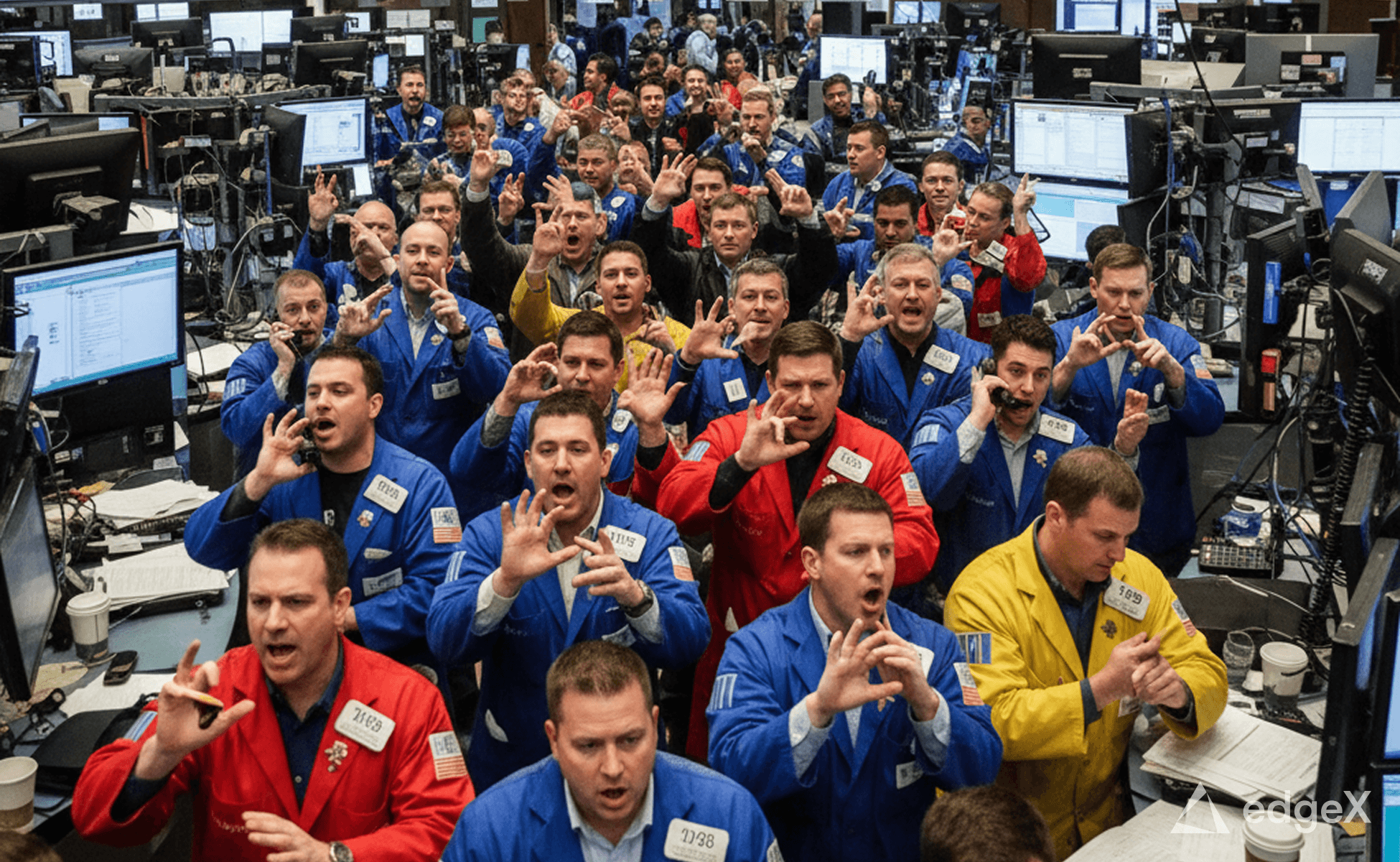
Federal Reserve Bank officials Neel Kashkari and Beth Hammack are publicly explaining their dissents at the most recent FOMC meeting, where the committee voted to hold the federal funds rate steady. Kashkari, Hammack, and Lorie Logan—all three dissenters—each favored a 25 basis point increase instead, arguing that inflation risks remain elevated and that a series of gradual policy moves would prove more effective than waiting until larger hikes become necessary. Three dissents at a single FOMC meeting are historically uncommon and underscore the depth of internal debate over the policy path.
Kashkari's Rationale
Kashkari dissented at the FOMC meeting, preferring to raise the federal funds rate by 25 basis points. He noted that more recent data center investment has added a new demand element to inflation, while a series of supply shocks has also been responsible for part of the inflation problem.
He increasingly believes monetary policy has a role in addressing successive supply shocks that could lead to entrenched inflation. While monetary policy can look through individual supply shocks, Kashkari argued it cannot disregard an ongoing series of them.
Kashkari wants to manage the risk of inflation becoming entrenched and would prefer to tighten policy incrementally. If inflation durably fades, a strategy of small steps would allow the FOMC to slow or pause further tightening without unnecessary damage to the real economy. Conversely, if inflation remains elevated, a series of small policy moves would be preferable to waiting and then concluding that much larger actions are required.
Hammack's Position
Hammack dissented because she believes policy is still not restrictive enough and that the Fed should move now to bring inflation back under control. She emphasized that inflation has been too high for too long and that she is not confident inflation will ease without additional Fed action.
Hammack stated that now is the time for the Fed to act to bring down high inflation, warning that the longer inflation remains elevated, the harder it will be to return it to the Fed's 2 percent target. With the labor market still stable, she argued the Fed should keep its focus squarely on inflation, noting that the current policy rate is not restrictive enough.
Third Dissenter
Kashkari and Hammack are two of three dissenters at the meeting. Fed official Lorie Logan is the third dissenter and is expected to speak as well today.

