Oman Optimistic on Hormuz Talks, Iran Warns Deal May Not Reopen Strait
Key Takeaways
- •Oman is mediating negotiations between Iran and the United States aimed at easing tensions over the Strait of Hormuz, a chokepoint transit route for roughly one-fifth of global oil consumption.
- •Iran has warned that reaching an agreement would not automatically result in the reopening of the strait, adding uncertainty to the diplomatic process.
- •Discussions between the two sides reportedly include technical specifics such as route coordinates and navigation management for the strategic waterway.
- •Prediction market participants have lowered the probability of a U.S.-Iran deal restoring normal strait traffic by August 15, reflecting reaction to Iran's firm stance.
- •Any disruption to the Strait of Hormuz would affect Gulf oil exporters as well as major importers in Asia and Europe, extending the stakes beyond the bilateral U.S.-Iran relationship.
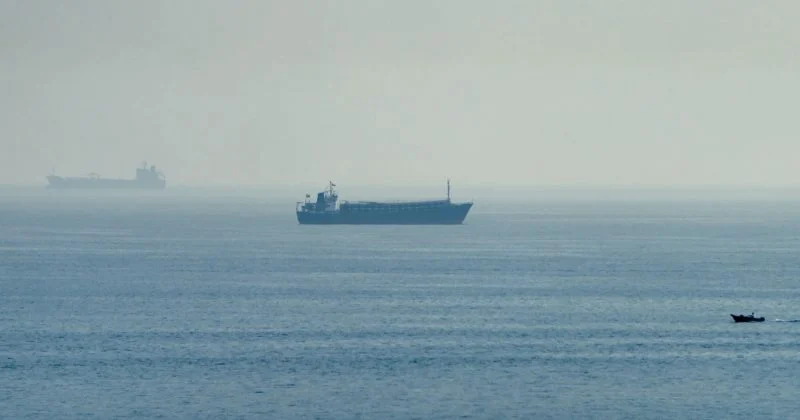
Oman has reported positive developments in negotiations concerning the Strait of Hormuz, a critical maritime passage through which roughly a fifth of global oil consumption transits, amid ongoing discussions between Iran and the United States. However, Iran has warned that even if an agreement is reached, it will not necessarily result in the reopening of the strait, adding uncertainty to talks focused on resuming normal shipping operations through the waterway.
The negotiations, mediated by Oman — a longtime intermediary between Washington and Tehran — form part of broader diplomatic efforts to ease geopolitical tensions between the two sides. Both sides are reportedly discussing technical specifics, including route coordinates and navigation management for the strategic chokepoint.
Prediction market activity reflects the complexity of the situation. The probability of a U.S.-Iran agreement by August 15 — one that would restore normal traffic through the Strait of Hormuz — has decreased, indicating that participants are pricing in Iran's recent statements. Market sentiment appears to have reacted to the mixed signals: Oman has expressed optimism about progress, while Iran has maintained a firm stance on the conditions for reopening the strait.
Despite the reported progress in negotiations, the Strait of Hormuz remains a potential flashpoint in ongoing geopolitical tensions. Iran's caution that a negotiated deal may still not lead to the strait's reopening underscores the difficulty of achieving a definitive resolution. The strait's disruption would affect not only Gulf oil exporters but also major importers across Asia and Europe, making the outcome of these talks consequential well beyond the immediate U.S.-Iran relationship.
Market participants are closely monitoring official statements from key actors, including the U.S. and Iranian governments, for signals that could shift the odds of an agreement. A joint U.S.-Iran announcement or a significant increase in shipping traffic data could support expectations of a deal. Conversely, reports of failed negotiations or escalating military tensions could further erode confidence that an agreement will be reached by the August 15 deadline.

