White House Denials of Trump-Hegseth Rift Over Missile Shortage Raise Questions Amid Contradictory Public Statements
Key Takeaways
- •Trump publicly acknowledged on February 23, before the Iran conflict began, that he had been reading intelligence warnings about missile shortages and stated the decision to proceed was his own.
- •Approximately 80 percent of U.S. THAAD interceptors have been expended, and virtually all of the Army's surface-to-surface weapons have been used up, according to CNN and Reuters reporting.
- •Trump has vowed to identify and prosecute individuals he describes as "treasonous leakers" for disclosing information about a missile shortage he himself had previously confirmed.
- •A Washington Post report indicated Trump sharply criticized Defense Secretary Pete Hegseth over the munitions shortfall during a Camp David meeting, a claim denied by White House and Pentagon spokespeople.
- •Replenishing advanced interceptors such as those used in the THAAD system typically requires years of production lead time, raising concerns about the readiness of U.S. and allied missile defense.
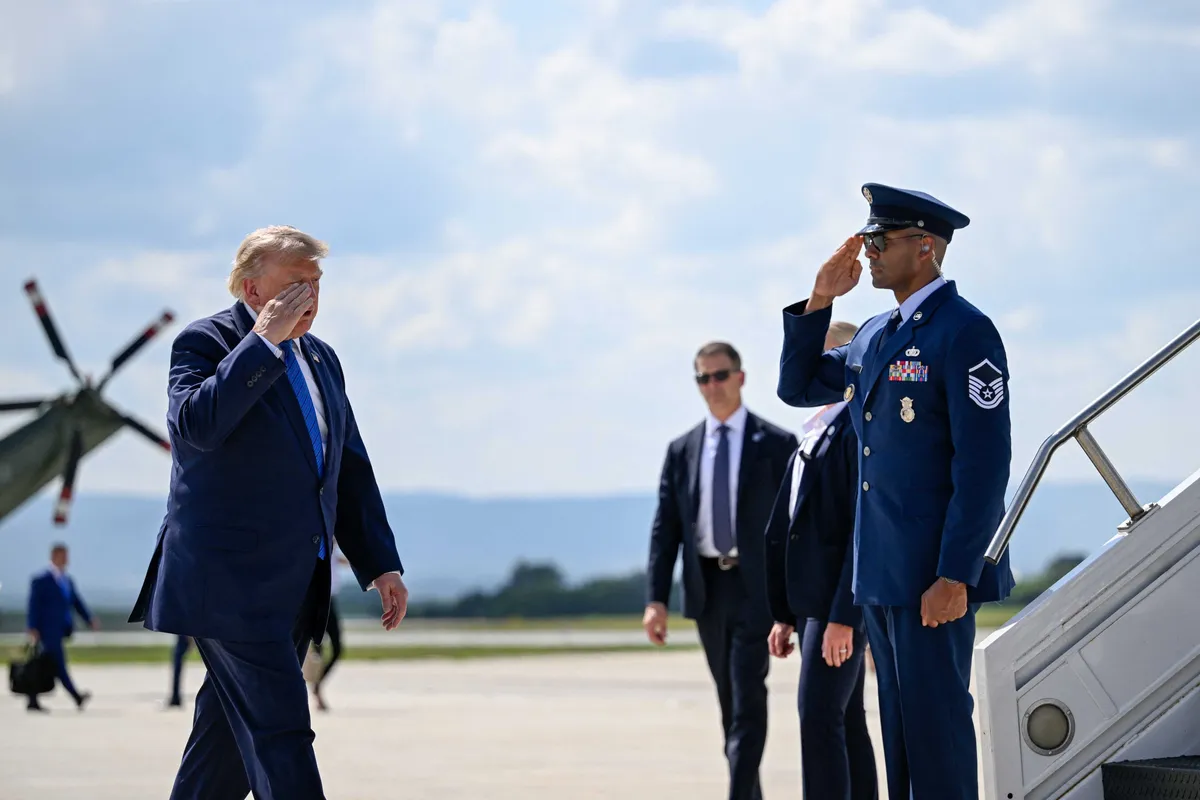
President Donald Trump has spent the past week vowing to identify and prosecute what he has called "treasonous" leakers — over disclosures regarding a missile shortage he himself publicly acknowledged months before launching military operations against Iran.
According to a Saturday analysis published by the legal blog emptywheel, Trump was informed on February 23 — prior to the start of the conflict — about intelligence warnings, including those concerning the depletion of long-range missile and interceptor stockpiles. At the time, Trump stated that he had been reading the reports describing the warnings. The warnings align with broader, long-documented concerns about the strain on U.S. precision-munition inventories, which have been drawn down by sustained military commitments across multiple theaters in recent years, including arms transfers to Ukraine and operations in the Red Sea.
"Donald Trump told us on February 23, before he started this war, that he was reading the stories describing that he was warned, including about the missile shortage," emptywheel wrote. "And his response was to say that the decision was his, that if we went in spite of the warnings, the decision was his."
Despite the shortage being well documented in advance, Trump's recriminations have intensified, reportedly targeting individuals within his own administration. A report by The Washington Post revealed that Trump sharply criticized Defense Secretary Pete Hegseth during a Camp David meeting over the munitions shortfall. White House and Pentagon spokespeople have since denied that account.
Trump separately took to Truth Social to push back on the shortage reports. "The U.S. has massive amounts of 'munitions,'" he wrote, while simultaneously condemning "the 'leakers' of those treasonous statements" and stating they were "being hunted down."
Emptywheel flagged what it called "the especially weird part" of the official denials: the insistence that Trump is not angry with Hegseth. "Shouldn't the President be angry with a Secretary of Defense who conducted the war in such a dumba— way, losing the war while blowing the missile reserves?" the blog asked.
Separate reporting supports the assessment that missile supplies are dangerously depleted. A CNN report estimated that approximately 80 percent of U.S. THAAD interceptors — the Terminal High Altitude Area Defense system used to shoot down incoming ballistic missiles — have been expended. Reuters, citing sources, reported that "virtually all" of the Army's surface-to-surface weapons have been used up. The depletion of THAAD interceptors is particularly significant because the system is considered a cornerstone of U.S. and allied missile defense, and replenishing advanced interceptors typically requires years of production lead time.

