Elon Musk's Trillionaire Status Fades as SpaceX Shares Plunge Below IPO Price
Key Takeaways
- •SpaceX sold 555.6 million shares at $135 each in its IPO, initially raising $75 billion before underwriters lifted total proceeds to about $85.7 billion.
- •SPCX opened at $150 on June 12 and rose 19% in its first trading session, pushing SpaceX’s valuation above $2 trillion.
- •The stock closed Friday at $115.07 after trading between $110.25 and $118.10, leaving it close to a key support level at $110.85.
- •Musk’s estimated net worth fell to roughly $725 billion from nearly $1.4 trillion as SpaceX shares declined from their peak.
- •Investors are awaiting SpaceX’s first quarterly earnings report, which is expected to provide its first detailed public view of revenue and cost structures.
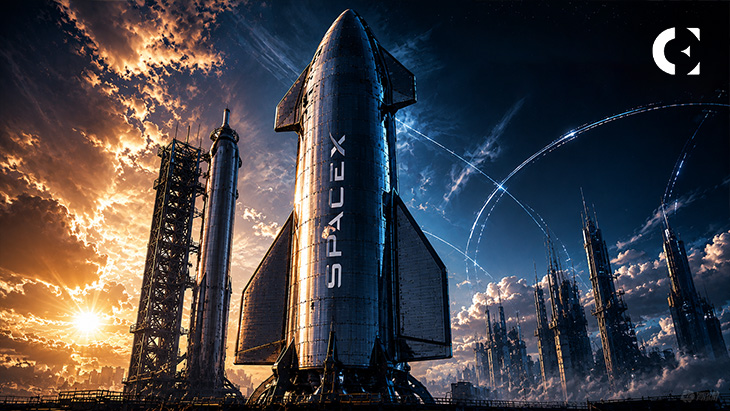
SpaceX shares closed Friday at $115.07, marking a nearly 49% drop from their post-IPO peak of $225.64 and sitting approximately 15% below the $135 offer price. The steep decline has erased hundreds of billions from Elon Musk's net worth, which fell from an estimated $1.4 trillion to roughly $725 billion, ending his short-lived reign as the world's first trillionaire.
The reversal prompted Musk to change his X display title to "(Former) Trillionaire" rather than billionaire. Binance founder Changpeng Zhao (@cz_binance) responded with "New definition of pre-rich," a remark that quickly circulated across social media and even inspired a short-lived $PRE-RICH token.
The scale of the drawdown underscores how unusual SpaceX's public debut was. Few companies have tested public markets with such a large, multi-business conglomerate structure spanning launch services, satellite internet, and AI-linked divisions in a single listing.
SpaceX's Record-Setting IPO
SpaceX's public listing came after years of hesitation from Musk, who had long resisted public-market scrutiny and repeatedly delayed a potential Starlink offering. That stance shifted in 2026, when the company listed its rocket, satellite internet, and AI-linked operations as a combined entity.
The company sold 555.6 million shares at $135 each, raising a record $75 billion. Underwriters subsequently increased total proceeds to approximately $85.7 billion. SpaceX also broke from conventional Wall Street practice by fixing its share price before the roadshow and reserving up to 30% of the offering for retail investors.
Reported demand reached nearly four times the available shares. SPCX opened at $150 on June 12 and climbed 19% during its inaugural trading session, pushing SpaceX's valuation above $2 trillion. Following the debut, Forbes estimated Musk's fortune at nearly $1.4 trillion, formally designating him the world's first trillionaire.
That milestone, however, was short-lived. Early momentum faded and the share price entered a sustained downturn.
SPCX Slides Toward Key Support Levels
The reversal began when SPCX faced strong selling pressure near $225, triggering a 34.8% decline toward $147.11 in late June. Although shares briefly rebounded 17.2% to $172.40, the recovery could not be sustained.
The stock continued to register lower highs and lower lows, confirming a bearish market structure. Selling pressure intensified after SPCX broke below $147.11, sending the price down another 35.7% toward $110.85.
By Friday's close, SPCX had traded between $110.25 and $118.10, settling only marginally above key support. A confirmed break below $110.85 could expose lower psychological levels at $105 and $100.
On the upside, buyers would need to reclaim $147.11 to slow the current decline. A more robust recovery would require a sustained move above $172.40, which remains the chart's primary resistance zone.
The broader slide has reduced Musk's estimated net worth to approximately $725 billion. Investors are now looking ahead to SpaceX's first quarterly earnings report and upcoming Starship milestones for further direction. As a newly public company with no prior quarterly track record, that report is expected to serve as the first detailed public disclosure of revenue and cost structures across SpaceX's combined business lines.

