NVIDIA CEO Jensen Huang Joins Major Tech Leaders Opposing Premature Restrictions on Open-Weight AI Models
Key Takeaways
- •Jensen Huang joined executives from Microsoft and Meta in signing a letter opposing what they consider premature restrictions on open-weight AI models.
- •OpenAI and Anthropic did not sign the letter, reflecting their more cautious approaches to AI deployment and safety.
- •NVIDIA's market capitalization has surpassed $3 trillion, underscoring its foundational role in the global AI supply chain through its GPUs and infrastructure.
- •The European Union has already implemented comprehensive AI regulations through its AI Act, while the United States continues debating federal AI policy.
- •Huang argues that open AI models could enable countries to build their own AI capabilities, reducing dependence on foreign technology providers and democratizing access to advanced technology.
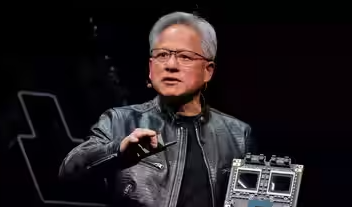
NVIDIA CEO Jensen Huang has joined a coalition of leading technology executives urging policymakers to refrain from imposing what they describe as premature restrictions on open-weight artificial intelligence models.
The group, which includes representatives from Microsoft and Meta, contends that open AI models could play a critical role in advancing innovation, strengthening cybersecurity, and maintaining global competitiveness as nations accelerate efforts to develop advanced AI systems.
The statement has attracted significant attention across the technology industry, particularly as governments worldwide grapple with how best to regulate rapidly evolving AI technology.
The development was highlighted by technology market observers, including discussions referenced through Coin Bureau's X account, as policymakers continue examining how to balance AI safety with innovation.
NVIDIA's Central Role in the AI Ecosystem
Huang's participation marks a notable moment, given that NVIDIA has become one of the most influential companies in the artificial intelligence ecosystem. The company's graphics processing units and AI infrastructure are essential components for training and operating advanced AI systems. NVIDIA's market capitalization has surged past $3 trillion, reflecting investor confidence in the company's foundational position in the AI supply chain.
In his first post on X, Huang emphasized the potential benefits of open AI models, arguing that they can strengthen security, encourage development, and allow countries to build their own artificial intelligence capabilities.
For Huang, supporting open AI development aligns with NVIDIA's broader position that widespread access to computing technology can accelerate innovation. The company has argued that AI progress should not be limited to a small number of organizations.
The Open-Weight AI Policy Debate
The debate surrounding open-weight AI models has emerged as one of the most consequential policy discussions in the technology sector. Unlike closed AI systems, where the underlying model remains controlled by a single company, open-weight models allow developers and organizations to access and modify key components of the technology. This distinguishes them from fully open-source software: open-weight releases typically provide access to the trained model parameters but not the full training data, code, or methodology used to create them. Meta's Llama series of large language models has become the most prominent example of this approach, with billions of downloads since its release.
Supporters argue that this approach encourages collaboration and enables researchers to identify weaknesses more effectively. They believe broader access can lead to faster innovation and improved AI security.
Critics, however, have raised concerns that open models could be misused by malicious actors. They argue that powerful AI systems made widely available could increase risks related to cyberattacks, misinformation, and automated harmful activities.
This disagreement has placed governments in a difficult position. Policymakers must determine how to create effective safeguards without limiting technological progress or allowing competitors to gain strategic advantages. California's SB 1047, which would have imposed safety testing requirements on large AI models, was vetoed by Governor Gavin Newsom in 2024 — an episode widely cited as illustrating the tension between precaution and innovation even within tech-heavy jurisdictions.
The letter supported by Huang and other technology leaders argues that excessive restrictions could slow innovation and weaken the ability of democratic nations to compete in the global AI race.
Divisions Among AI Companies
Microsoft and Meta have also invested heavily in AI development. Microsoft has built a major partnership with OpenAI while integrating artificial intelligence tools into its software ecosystem. Meta has pursued open AI research through its own large language models and has promoted broader access to AI technologies.
However, according to reports from CNBC, OpenAI and Anthropic did not sign the letter. Both companies have taken a more cautious approach toward AI deployment and safety discussions. OpenAI has emphasized responsible development practices and controlled access to advanced models, while Anthropic has focused heavily on AI alignment and safety research. The split also reflects business considerations: companies that have invested heavily in proprietary frontier models may face competitive pressure from freely available alternatives.
The differing positions underscore the complexity of the AI regulation debate. Technology companies do not hold a single unified view on how artificial intelligence should be developed or governed. Some organizations believe openness creates stronger innovation and security, while others argue that certain advanced AI capabilities require additional controls.
Global Regulatory Landscape
The discussion comes at a time when governments around the world are introducing new AI regulations. The European Union has already implemented comprehensive AI rules through its AI Act, which classifies AI systems by risk level and imposes escalating requirements. The United States continues debating how federal policy should address artificial intelligence risks. Regulators are examining issues including transparency, safety testing, privacy, intellectual property, and national security.
The rapid pace of AI development has made regulation particularly challenging. Technology is advancing faster than traditional policymaking processes, creating pressure for governments to develop flexible frameworks. Industry leaders argue that regulations should focus on specific risks rather than broadly restricting access to AI technology, believing that targeted safeguards can protect users while allowing innovation to continue.
US-China Technology Competition
The issue has become especially significant as China continues making progress in artificial intelligence development. Technology competition between the United States and China has expanded beyond traditional industries and now encompasses AI research, semiconductor manufacturing, and computing infrastructure. Companies and governments increasingly view AI leadership as a major economic and strategic priority.
NVIDIA sits at the center of this competition because its advanced chips are widely used by AI developers around the world. The company has experienced extraordinary growth as demand for AI computing power has surged. Its technology supports many of the world's largest AI projects, data centers, and machine learning applications. NVIDIA has also been directly affected by US export controls: the Commerce Department has restricted sales of its most advanced chips to China, prompting the company to develop modified versions that comply with regulations, only to face further restrictions as rules have tightened.
Technology Independence and Accessibility
The open-weight AI debate also involves questions about global technology independence. Huang argued that open models could allow countries to develop their own AI systems instead of relying entirely on foreign technology providers. This concept has become increasingly important as nations seek greater control over critical digital infrastructure.
Artificial intelligence is becoming a foundational technology similar to electricity, computing, and the internet. Countries that develop strong AI capabilities may gain advantages in science, business, defense, and economic development. As a result, governments are increasingly focused on building domestic AI ecosystems.
Open models could help smaller companies, researchers, and governments participate in AI development. Instead of requiring billions of dollars in resources to build systems from scratch, organizations could adapt existing models for specific needs. Supporters argue this could democratize access to advanced technology.
However, security experts continue warning that openness must be balanced with responsibility. They emphasize the importance of monitoring, testing, and implementing safeguards before deploying powerful AI systems. The challenge lies in finding a framework that protects society without preventing legitimate innovation.
Looking Ahead
The debate is likely to continue as AI capabilities expand. Future generations of AI models are expected to become more powerful, more autonomous, and more integrated into everyday life. The decisions made today could shape how artificial intelligence develops for decades.
For companies like NVIDIA, the outcome of these discussions carries significant implications. The company's growth has been closely tied to the expansion of AI infrastructure, and policies affecting AI development could influence demand for its technology. At the same time, NVIDIA must navigate a changing global environment involving regulation, competition, and supply chain challenges.
The company's leadership position gives Huang a powerful voice in discussions about the future of artificial intelligence. His support for open-weight models reflects a broader industry argument that innovation and security do not have to be opposing goals. Technology leaders increasingly believe that collaboration, transparency, and responsible development can help maximize the benefits of AI while reducing potential risks.
As global competition in artificial intelligence accelerates, governments and companies will continue debating the right balance between openness and control. Jensen Huang's involvement highlights a pivotal moment in the AI industry, where the debate over open models extends beyond software development to encompass economic competition, cybersecurity, and the future balance of technological power around the world.

