She Code Africa marks 10 years with focus on women’s leadership, funding and ownership
Key Takeaways
- •She Code Africa, which began in 2016 as a storytelling initiative, says it has now impacted more than 65,000 women and girls through a community exceeding 50,000 members across more than 20 African countries.
- •Founder Ada Nduka Oyom said access to skills training is insufficient on its own, calling on governments, employers and policymakers to take greater responsibility for helping women advance into leadership, capital and decision-making roles.
- •Keynote speaker Napa Onwusah of B4B Partners urged a transition from 'presence to power,' noting that the majority of African startup funding currently goes to male-only founding teams.
- •She Code Africa is exploring how to incorporate artificial intelligence into the fundamentals of its academy programmes, including software development and product management.
- •Panellist Oluwatosin Fatokun argued that Africa does not need to own the entire technology value chain, but should pursue a significant management role through stronger governance, security standards and policies over infrastructure and data.
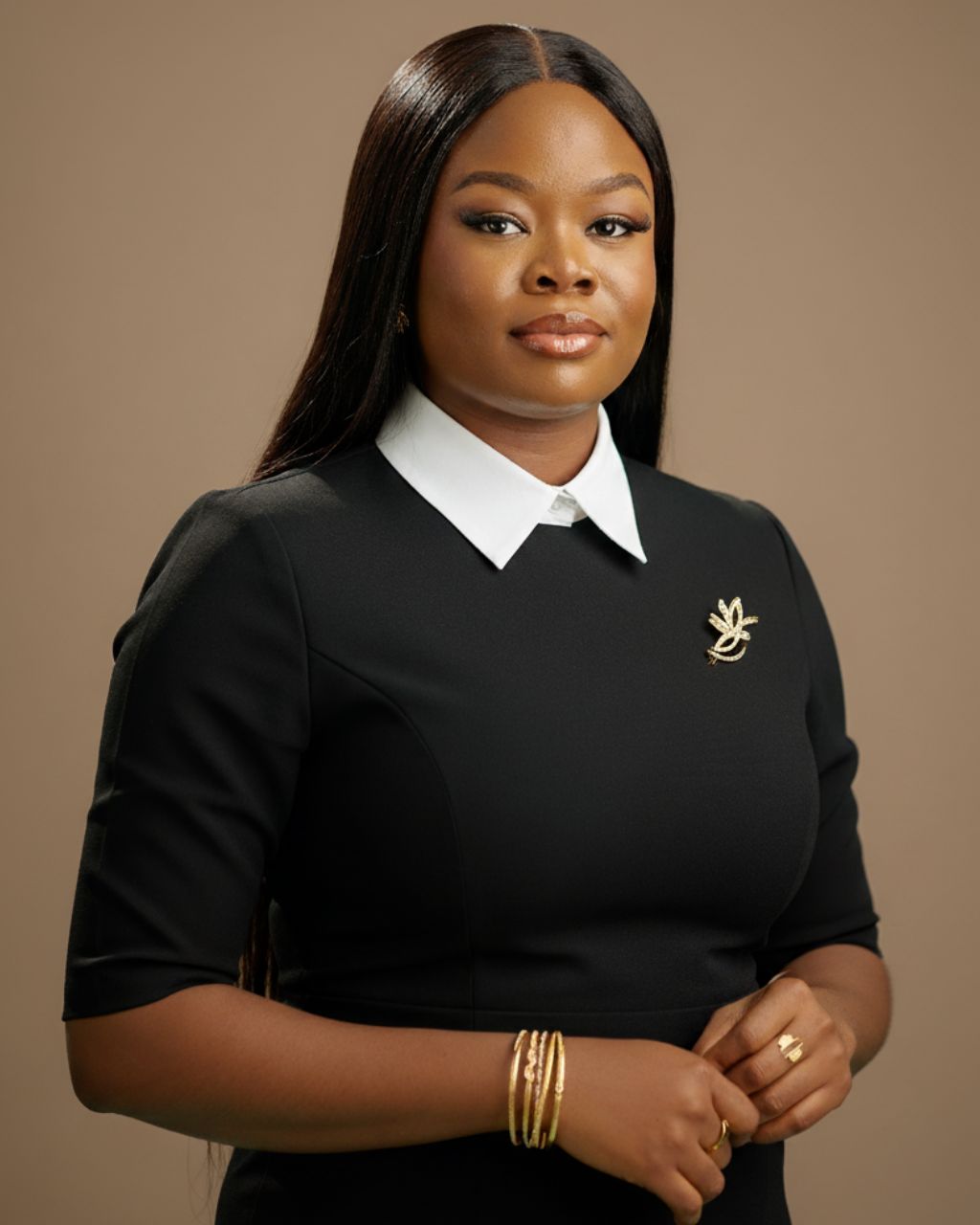
After a decade focused on expanding women’s access to technology, She Code Africa is shifting greater attention to what happens after women enter the industry: whether they can advance into leadership, build companies and products, access capital and participate in decisions shaping Africa’s digital economy.
That shift was central to discussions at the She Code Africa Summit 2026 in Lagos, where the Pan-African nonprofit marked its 10th anniversary. Speakers examined women’s progression in technology, visibility, funding and ownership of the infrastructure supporting the continent’s digital economy.
For founder and Executive Director Ada Nduka Oyom, the change reflects lessons the organisation has learned since it began in 2016 as a storytelling initiative intended to make African women in technology more visible.
She Code Africa became a community platform in 2019 before expanding into structured learning programmes, scholarships, digital literacy and other initiatives. The organisation says it has now impacted more than 65,000 women and girls, built a community of more than 50,000 members and expanded across more than 20 African countries.
Oyom said that experience has shown that providing access to skills alone is not enough when other barriers remain.
“You can train a woman, if you don’t give her that opportunity, it’s just a dead end,” she said, citing challenges such as access to laptops, mentors and opportunities to apply newly acquired skills.
Access must lead to progression
Looking towards the next decade, Oyom identified one of the organisation’s main challenges as ensuring that women who enter technology can progress instead of remaining at the lower levels of the industry.
“The limitation is that these women come in, and then they don’t grow. They don’t progress,” she said.
Oyom said access should become sufficiently normal that women no longer have to continually demand it. Governments, employers, policymakers and other stakeholders, she added, must take greater responsibility for helping women advance.
For her, progress would include more women in C-suite and other decision-making positions, greater access to capital and improvements in education.
Artificial intelligence is also changing the skills women will need. Oyom said She Code Africa is exploring how to incorporate AI into the fundamentals of its academy programmes, including software development and product management.
‘We need to move from presence to power’
Napa Onwusah, Managing Partner at B4B Partners, reinforced the argument in her keynote, saying that increased participation has not translated equally into leadership and ownership.
Onwusah recalled entering technology at a time when women represented a tiny fraction of students in her engineering faculty. She later encountered employers who refused to hire women for technical roles.
She eventually built a career at companies including Microsoft, Visa, Cisco, Google and Amazon Web Services. However, she said women’s representation continues to decline as they move towards senior positions.
“Access has gotten us here,” Onwusah said. “But the question I want to ask us all, are we satisfied with just having access?”
She called for a transition from “presence to power”, with more women building technology and businesses, leading companies, funding ideas and sponsoring other women.
Funding, she argued, is particularly important. Onwusah cited figures showing that the majority of African startup funding goes to male-only founding teams. She said increasing the number of women working within investment firms is not enough by itself.
“We need more women that have money that can fund projects,” she said.
For speakers at the summit, this funding imbalance is a central reason why women’s growing presence in the industry has not yet translated into comparable leadership and ownership — the gap between entering the sector and shaping it runs through who controls capital.
Turning visibility into ownership
The discussion around ownership continued during a fireside chat featuring creator and entrepreneur Adeife Adeoye and marketing communications professional Favour Onwuka.
Adeoye said she initially approached content creation as a way to share information. Her understanding of visibility changed after women told her that her content had helped them secure jobs and other opportunities.
“It’s not just about me being seen. I was creating access for other people because I’m sharing,” she said.
She encouraged women to make their work visible but stressed that visibility should not be reduced to constantly posting on social media. Professionals can also build visibility through communities, events, professional relationships and the quality of their work.
Adeoye also argued that personal visibility should eventually lead to something more sustainable, including businesses and ownership.
“We’ve been talking, I think, for the past five to ten years about how we can get women in this room,” she said. “Okay, now you’re here, now what? What are we building? What we owning?”
That question became more literal during a panel titled “Building Africa’s Digital Infrastructure – Who Owns It?” Speakers examined how much control Africans have over the infrastructure supporting the continent’s growing digital economy. Panellists expressed different views on whether complete ownership should be the immediate objective.
Speaking from a security and governance perspective, Oluwatosin Fatokun argued that Africa does not necessarily need to own every part of the technology value chain before it can exercise greater control.
“I don’t think the goal is to own the entire infrastructure or own the entire value chain, but play a very significant role in the management of the infrastructure,” she said.
That role, she explained, includes stronger governance, security standards and policies covering infrastructure and data, particularly as African businesses continue to depend on global technology providers.
After 10 years focused largely on creating pathways into technology, discussions at the She Code Africa Summit indicate that the organisation’s next phase will focus more closely on what happens after access. The developments to watch include how its exploration of AI in academy programmes progresses and whether employers and policymakers take on the responsibility Oyom described.
For Oyom, that means working towards an ecosystem in which African women do not simply enter technology but have opportunities to progress, lead, build and own within it.
Source: TechNext24

