Senate Republicans Say Trump’s Taxpayer-Funded Ads Cross a ‘Red Line’
Key Takeaways
- •Senate Majority Leader John Thune and several other Senate Republicans criticized the use of taxpayer funds for the ads, even while expressing support for some of messaging.
- •The 30-second commercial includes a disclosure stating it was funded by U.S. tax dollars, a detail critics argue conflicts with campaign finance laws.
- •Sen. John Cornyn said the ads crossed a "red line," and The Hill reported the spot is nearly identical to a January 2024 ad Trump posted on Truth Social while preparing his presidential campaign.
- •The White House defended the commercials as patriotic messaging intended to remind Americans to love their country, insisting they are "very clearly not campaign ads."
- •The dispute is playing out ahead of the midterm elections and remains unresolved, with senators pressing the administration to change its approach.
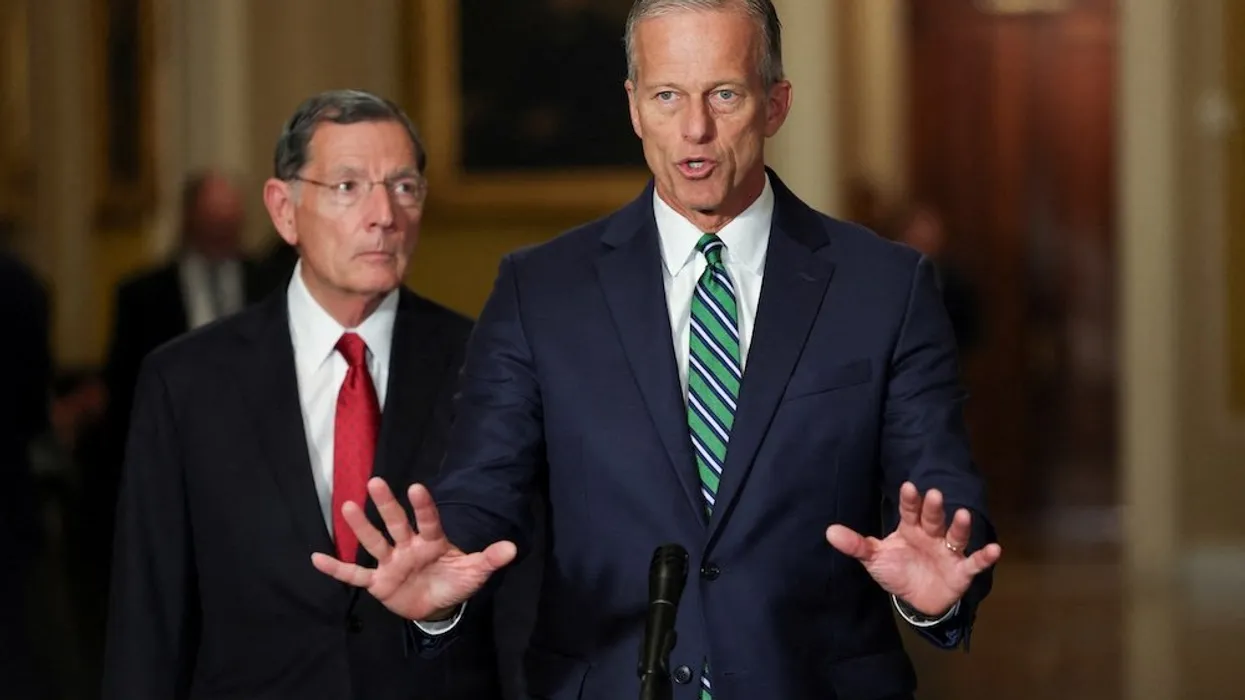
President Donald Trump’s latest government-funded advertising push is drawing dissent from within his own party, with Republican senators accusing the White House of crossing a major “red line” by paying for the spots with taxpayer dollars, according to a report from The Hill published Tuesday morning.
The 30-second commercial, released over the weekend, features soundbites from a speech in which Trump branded his political opponents “villains” and vowed to drive “communists” and “marxists” out of the country. It quickly raised alarms for a disclosure stating that it was funded by tax dollars from the U.S. government — a detail critics say conflicts with campaign finance laws. The ad is also the latest in a string of self-promotional spots centered on Trump, arriving ahead of the midterm elections — a combination that places the dispute at the intersection of official government communications and electoral politics. Earlier rounds of the ads have been attacked by critics as “demented” and “incredibly illegal.”
While supportive of some of the messaging, a number of Senate Republicans took Trump to task over the use of public funds for the campaign — an objection aimed squarely at the funding source rather than the ad’s content, and one that stands out because it comes from the president’s own party.
“It’s a great message, I like the message, but it shouldn’t be paid for by taxpayer dollars,” Senate Majority Leader John Thune told reporters on Monday.
“It would not have been something that I would have done,” Sen. Mike Rounds, a South Dakota Republican, said of the ads. “I know that the White House is not covered by the same guidance that we are, but it’s not something I would have done. I just don’t think it’s right to be using taxpayer money in that way, particularly if it’s tied to political campaigns. I think they need to rethink that strategy.”
Sen. John Cornyn, who has frequently clashed with Trump, said the ads crossed a “red line” because they are nearly indistinguishable from materials he and his team released during past campaigns. “We all know you’re not supposed to use taxpayer money for that purpose,” Cornyn said.
Per The Hill, the new spot is “nearly identical to an online ad that Trump posted to his Truth Social account in January 2024, when he was preparing to launch his presidential campaign.” In that ad, Trump urged supporters to text “TRUMP to 88022” to support his campaign, the outlet noted. The comparison goes to the heart of the senators’ objection: a taxpayer-funded spot mirroring campaign solicitation material is exactly the kind of use of public money they say is off-limits.
“If it were me as a senator, it would be a problem,” Sen. John Curtis, a Utah Republican, said. “I don’t know their rules as well as I know mine, but I know mine would prohibit that.”
“I don’t think any public official, including President Trump… should spend public money on private ads for themselves,” Sen. John Kennedy, a Louisiana Republican, said on CBS News over the weekend. “The White House sees it differently.”
In its official response, the White House maintained that the commercials were “very clearly not campaign ads,” describing them as intended to be “a reminder for Americans to love their country and know why it’s worth defending.” That defense sets up an unresolved standoff — senators pressing the White House to reverse course while the administration frames the spots as patriotic messaging — as the funding question carries into the run-up to the midterms.

