Trump's White House Press Ban Backfires in Court as Broadcast Networks Unite Against Exclusions
Key Takeaways
- •Trump barred CNN, MS NOW, and Politico from the White House over accusations of "FAKE NEWS" reporting, with no stated demand the outlets could satisfy to regain access.
- •U.S. District Judge Timothy Kelly issued a temporary restraining order reinstating the outlets' access after ruling they were likely to succeed on their due process claims.
- •ABC, CBS, NBC, and Fox News repeatedly refused to replace CNN in the press pool, leaving portions of Chinese President Xi Jinping's state visit without regular television coverage.
- •A Reuters/Ipsos poll dated September 21 put Trump's approval rating at 32 percent, the lowest his political career, as the dispute unfolded ahead of the midterm elections.
- •CNN, MS NOW, and Politico are pursuing a First Amendment retaliation claim, while Attorney General Todd Blanche has backed the White House position that press access is a privilege rather than a right.
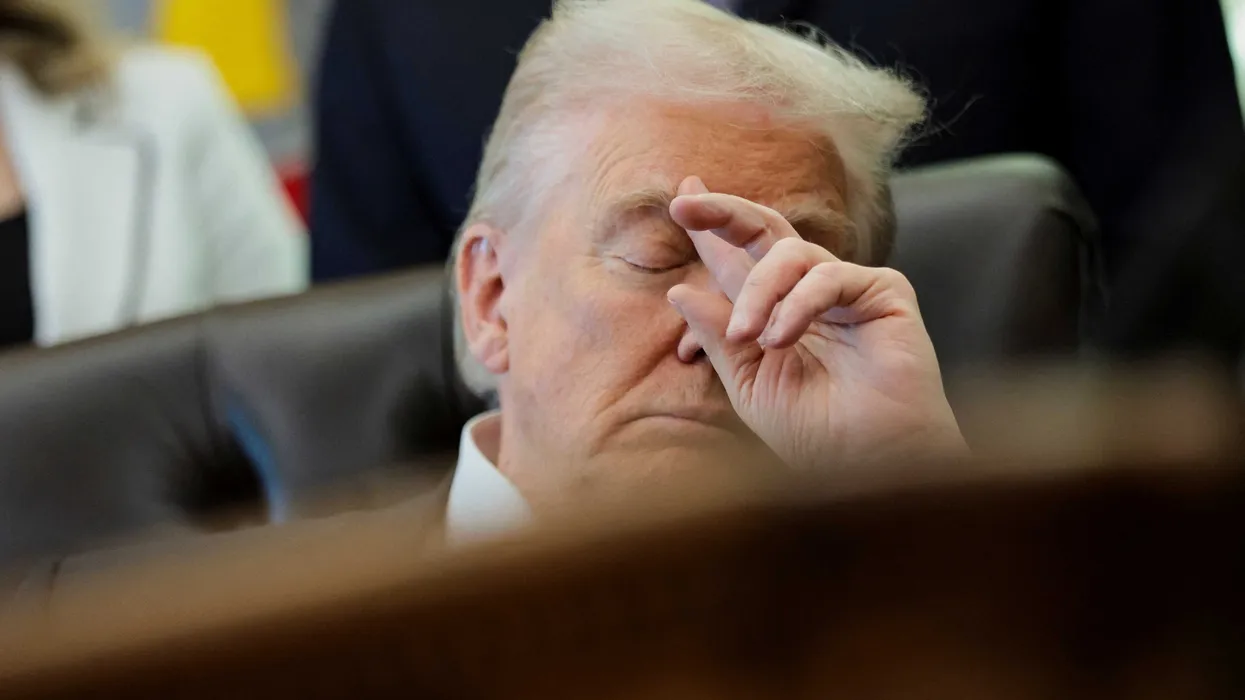
The latest confrontation between President Donald Trump and the press has ended in a courtroom defeat — and has produced something rare: unity among the major television networks against the White House. Writing in a Slate editorial, Ben Jacobs argues the episode has revealed a political weakness rather than demonstrated presidential influence.
Unlike Trump's previous battles with media companies, Jacobs notes, this dispute stands apart because the president has not attached the ban to any demand that CNN, MS NOW or Politico could actually satisfy. Trump barred the outlets from the White House after accusing them of "reporting FAKE NEWS" and saying they should not be permitted to report "FICTION and LIES."
The move came as Trump's political standing declined ahead of the midterm elections. A Reuters/Ipsos poll dated September 21 put his approval rating at 32 percent, the lowest point of his political career, and Republicans had been compelled to spend heavily in Iowa and Kansas.
CNN reported that Trump's aide Natalie Harp showed the president clips of negative media coverage before the ban was imposed. According to one source, a graphic from Politico angered Trump and played a role in the decision — a move that surprised White House advisers.
CNN, MS NOW and Politico filed suit, and U.S. District Judge Timothy Kelly issued a temporary restraining order reinstating their access. A temporary restraining order is a short-term measure that preserves the status quo while litigation proceeds, and in this case Kelly ruled that the organizations were likely to succeed on their due process claims — the argument that the government must follow fair, established procedures before revoking press access.
Trump's media team then hit a further snag when CNN was blocked from carrying out its pool responsibilities. The press pool is a small, rotating group of journalists and camera crews that covers the president at events where space or logistics are limited and shares its footage and reporting with the wider press corps — which is why ABC, CBS, NBC and Fox News at first refused to step in, and why their refusal left portions of Chinese President Xi Jinping's state visit without regular television pool coverage.
CNN was later restored to the rotation, but the White House once again prevented the network from traveling on Air Force One for Trump's trip to Tennessee on Saturday. The other networks again declined to take CNN's place.
As Slate observed, the episode exposed a central flaw in Trump's approach: there is no clear concession the targeted outlets could be required to make, and no obvious point at which Trump could claim they had given in.
On Sunday, Attorney General Todd Blanche backed the White House's position, saying access is a privilege rather than a right, and he accused certain media outlets of spreading misinformation.
On Monday, CNN, MS NOW and Politico asked Judge Kelly to leave the restrictions in place while their lawsuit proceeds. They argue that Trump retaliated against them for coverage he disliked, in violation of their First Amendment rights — a claim grounded in the principle that the government may not penalize news organizations for their editorial choices.
So far, the confrontation has returned the outlets to the White House grounds, brought rival networks together in opposition to selective exclusions, and reduced the amount of television coverage available to Trump.

