Ray Car Carriers Identified Behind $1bn Order for Ten GSI Dual-Fuel Car Carriers
Key Takeaways
- •GSI and China Shipbuilding Trading signed contracts worth more than $1bn for ten LNG dual-fuel car carriers of 8,200 ceu each, with deliveries scheduled in batches between 2029 and 2031.
- •Multiple shipbroking sources identified Ray Car Carriers, controlled by Abraham Rami Ungar, as the undisclosed buyer behind the order, which reportedly includes four optional newbuilds.
- •The order breaks with Ray's decades-long reliance on HD Hyundai shipyards in South Korea, where it already has seven LNG dual-fuel PCTCs under construction.
- •The new vessels will be Ray's largest car carriers, exceeding the below-8,000 ceu capacity of its existing and contracted South Korean newbuilds.
- •The deal highlights Chinese state-owned yards winning a growing share of high-value dual-fuel car carrier contracts traditionally dominated by South Korean builders.
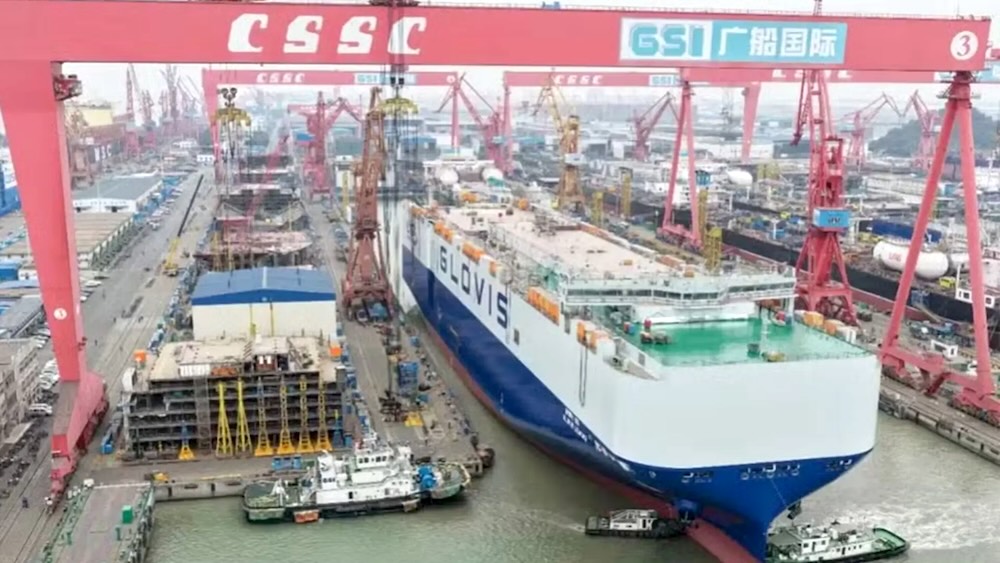
Israeli tonnage provider Ray Car Carriers has been identified as the owner behind Guangzhou Shipyard International's (GSI) order for ten LNG dual-fuel car carriers worth more than $1bn, marking the company's first major newbuilding move into China after decades of concentrating its orders in South Korea.
GSI and China Shipbuilding Trading have signed contracts for ten vessels with capacity of 8,200 ceu each, valued at more than $1bn, according to a regulatory announcement from parent China State Shipbuilding Corporation (CSSC). The ships are scheduled for delivery in batches between 2029 and 2031, with the contracts effective immediately and payments denominated in US dollars. At the disclosed minimum value, the series works out at more than $100m per ship.
CSSC withheld the buyer's identity under confidentiality arrangements, but multiple shipbroking sources have named Abraham Rami Ungar-controlled Ray Car Carriers as the customer.
The identification is consistent with an order that had been developing for several weeks. In August, shipbuilding sources reported that Ray was in advanced negotiations with GSI for between 10 and 14 LNG dual-fuel pure car and truck carriers (PCTCs) of around 8,600 ceu, worth roughly $1bn. Those talks were described as effectively finalised, with the ships said to carry long-term charter backing.
The final CSSC filing shows the programme settling at ten firm vessels with a nominal capacity of 8,200 cars. The filing does not disclose charterers, options or employment arrangements, although Splash understands the deal comes with four optional newbuilds attached.
The order represents a significant break with Ray's traditional shipbuilding strategy. The Ungar-controlled company has relied heavily on HD Hyundai yards for more than two decades. According to Clarksons data, its current car carrier fleet stands at 66 ships, with another seven LNG dual-fuel PCTCs under construction at HD Hyundai before the latest GSI order. Those seven comprise five vessels of around 7,600-7,700 ceu contracted during 2023 and 2024, plus another two 7,300 ceu ships linked to Ray in April this year. The latest South Korean pair was priced at about $269m in total, or roughly $134.5m each, for delivery by early 2029.
The new vessels will be Ray's largest car carriers, as its existing and contracted South Korean newbuilds top out below 8,000 ceu. Like Ray's other recent orders, they are specified with LNG dual-fuel propulsion, reflecting a broader industry shift toward dual-fuel tonnage as shipowners prepare for tightening international emissions regulations, including the International Maritime Organization's greenhouse gas reduction targets and the EU's inclusion of shipping in its emissions trading system from 2024.
GSI has rapidly built up its position in the PCTC market and this year delivered 10,800 ceu units, among the largest car carriers yet built. Before the Ray-linked order, the Guangzhou yard was carrying 15 PCTCs in its orderbook, according to Clarksons figures. The order also illustrates the competitive dynamics between Chinese and South Korean shipbuilders, with Chinese state-owned yards securing a growing share of high-value dual-fuel car carrier contracts that have traditionally been dominated by Korean builders.
Ray Car Carriers has also been deploying capital outside its core car carrier business. Splash reported last November that the company moved deeper into crude shipping with another four VLCC newbuildings at HD Hyundai, extending its tanker expansion well beyond its traditional vehicle-carrier base.
Source: Splash247

