Republicans Confront Trump's Trade Representative Behind Closed Doors as Tariffs Near
Key Takeaways
- •Republican lawmakers, especially those from northern border states, privately pressed Trade Representative Jamieson Greer over economic damage from the U.S.-Canada trade war.
- •Canada will impose dollar-for-dollar counter-tariffs starting September 8, deliberately targeting politically important states including Michigan, Maine, and New Hampshire.
- •Canada and the United States exchange roughly $700 billion in goods and services annually, making Canada the largest U.S. trading partner.
- •Speaker Mike Johnson blamed Canadian Prime Minister Mark Carney for walking away from negotiations, which led to 50 percent tariffs on about $20 billion in Canadian goods.
- •Additional follow-up sessions between Greer and concerned lawmakers are being arranged as the trade conflict escalates.
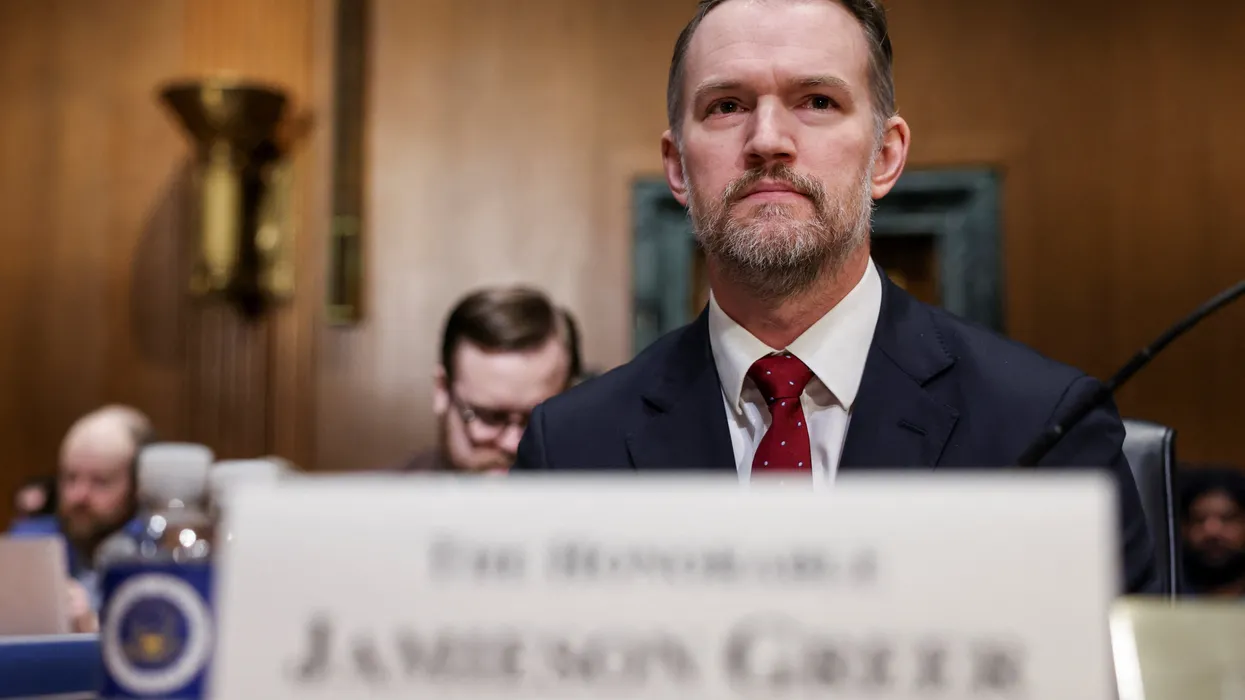
House Republicans pressed U.S. Trade Representative Jamieson Greer in a private session Wednesday over the economic damage that President Trump's intensifying trade war with Canada could inflict on their home states — just days before a new round of tariffs is scheduled to take effect.
According to Politico, Greer faced pointed questions at the Republican Study Committee's weekly lunch, particularly from lawmakers representing northern border states whose economies are deeply tied to Canada. The RSC, the largest conservative caucus in the House, has traditionally been a reliable base of support for the administration, making the internal pushback notable. One attendee, speaking on condition of anonymity, said members had "a lot of questions" and that "it's one of those things that's going to get settled. The question is when."
Canada is preparing to respond with "dollar-for-dollar" counter-tariffs beginning September 8, deliberately targeting states and industries that carry political weight in Washington — including Michigan, Maine and New Hampshire, all of which host competitive congressional races this cycle. The stakes are high: Canada and the United States exchange roughly $700 billion in goods and services annually, making Canada the largest U.S. trading partner, and industries from autos to agriculture to energy depend heavily on cross-border supply chains. Michigan Rep. John James, currently a candidate for governor, raised specific concerns about the fallout for his state.
"Canada is a very important trading partner with the United States of America and Michigan, and we have to make sure that we repair the wrongs of learning the past without cratering our future," James said.
Lawmakers also challenged Trump's separate plan to increase beef imports in an effort to lower grocery prices. Rep. Zach Nunn (R-IA) warned the move could harm American ranchers and said he intended to raise the issue directly with Trump during a White House visit later that day. The tension illustrates a broader squeeze for the administration, which is trying to shield consumers from higher food costs while also protecting domestic producers who face competition from imports.
House Speaker Mike Johnson (R-LA) defended the administration's trade posture, placing blame squarely on Canadian Prime Minister Mark Carney for walking away from negotiations last month — a collapse that triggered 50 percent tariffs on roughly $20 billion in Canadian goods.
Greer, for his part, sought to downplay the tension in the room, insisting that members were not frustrated so much as searching for better ways to communicate Trump's policies to their constituents. RSC Chair August Pfluger (R-TX) indicated the discussion is far from concluded, suggesting that additional follow-up sessions between Greer and concerned lawmakers are already being arranged as the trade war continues to escalate.

