Prince Harry and six claimants ordered to pay £9.5m interim legal bill to Daily Mail publisher
Key Takeaways
- •The High Court ordered the seven claimants to make a global interim payment of £9,544,355 to Associated Newspapers by 28 August, without specifying that Prince Harry personally owes the full amount or how it will be divided among the group.
- •Associated Newspapers reported total legal costs of £34,481,622.54 by 9 July, and the final recoverable sum could exceed the interim payment because the judge rejected the claimants' attempt to cap recoverable costs.
- •Judge Matthew Nicklin ordered costs to be assessed on an indemnity basis, which resolves doubts in the publisher's favour, after criticising the breadth of the claims, the speculative basis of serious allegations, and the failure to narrow the case as it progressed.
- •The costs order follows the High Court's dismissal last month of the group's allegations of widespread unlawful information gathering after an 11-week trial, a rare full-trial victory for a publisher in litigation where comparable claims, including Harry's against News Group Newspapers and Mirror Group Newspapers, ended in settlement or damages.
- •The claimants are understood to have insurance covering around £16m of their exposure to the publisher's costs, and any appeal against last month's judgment would require permission from the Court of Appeal.
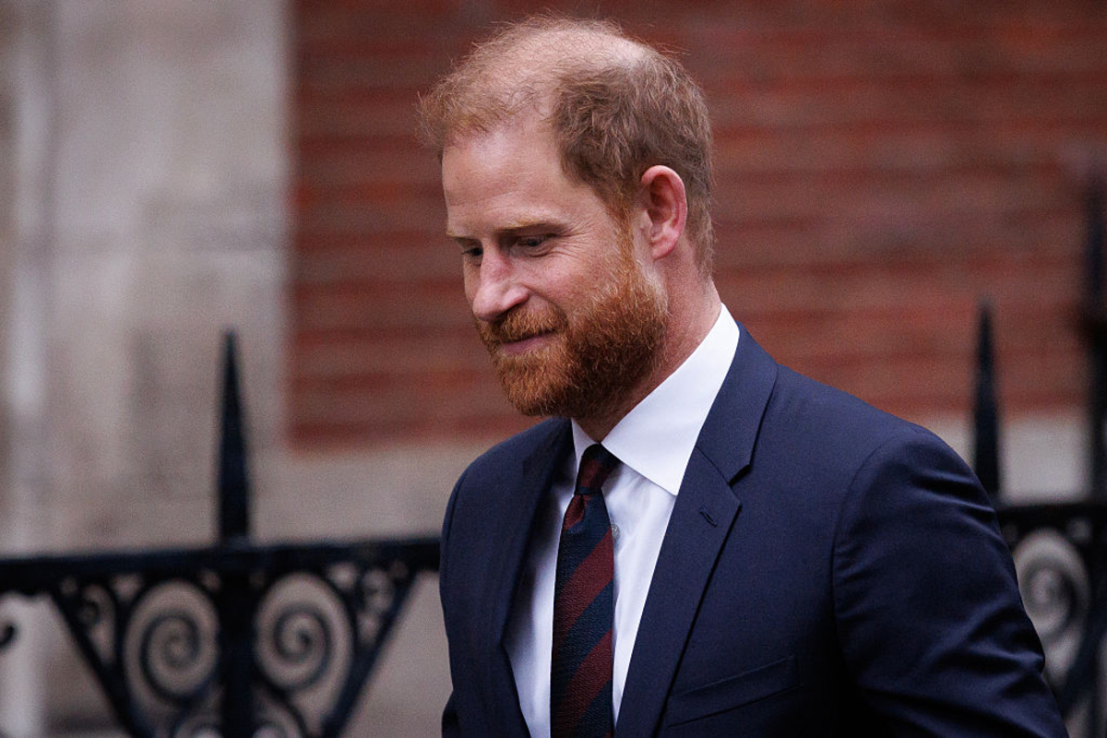
Prince Harry and six other high-profile figures have been ordered to pay £9.54m towards the Daily Mail publisher's legal costs after losing their long-running privacy case.
Judge Matthew Nicklin ruled on Friday that the claimants must make an interim payment of £9,544,355 to Associated Newspapers by 28 August, after the publisher ran up costs of nearly £34.5m defending the case. The payment comprises £4.67m of approved budgeted costs and £4.88m of costs incurred before the budget was set.
In a further blow to the group, Nicklin ordered that Associated's costs be assessed on an indemnity basis — a more favourable basis for the publisher that could increase the amount it ultimately recovers.
The judge said the way the case had been pursued was "unreasonable to a high degree", pointing to the breadth of the claims, the speculative basis for a number of serious allegations, and the failure to withdraw or narrow allegations as the case progressed.
The ruling adds a hefty financial sting to the Duke of Sussex's defeat last month, when the High Court dismissed allegations that the publisher of the Daily Mail and Mail on Sunday had engaged in widespread unlawful information gathering.
Harry brought the case alongside Sir Elton John and his husband David Furnish, actresses Liz Hurley and Sadie Frost, Baroness Doreen Lawrence and former Liberal Democrat MP Sir Simon Hughes. The group accused Associated Newspapers of practices including phone hacking and obtaining private information illegally over a period stretching back decades.
But following an 11-week trial, Nicklin rejected the claims, finding that the evidence did not establish that the information at the centre of the case had been obtained unlawfully.
The outcome sets the case apart from the wider phone-hacking litigation that has run through the English courts since the 2011 scandal that closed the News of the World and prompted the Leveson Inquiry into press standards. Most comparable claims have ended in settlement or partial defeat for publishers: Harry accepted substantial damages from Rupert Murdoch's News Group Newspapers in January 2025, and in December 2023 was awarded £140,600 by the High Court in his claim against Mirror Group Newspapers, where the judge found his phone had been hacked. Associated Newspapers chose to fight the allegations to a full trial while denying unlawful information gathering throughout.
Associated Newspapers hailed the ruling as an "overwhelming victory" for its newspapers and journalists, while Harry subsequently described it as a "complete and obvious whitewash".
Battle over the £34.5m bill
The defeat opened up a second fight over who should pick up the publisher's substantial legal bill. Under the default rule in England and Wales, the losing party pays the winner's reasonably incurred costs, so the dispute turns on how much — not whether — the claimants must contribute, and interim payments on account are standard practice while the final figure is resolved.
Associated told the court it had incurred costs of £34,481,622.54 by 9 July, compared with an approved and subsequently varied figure of £13.3m. Nicklin described the £34m-plus claim as "exceptionally high" and said it raised "real concerns" over whether all the costs had been reasonably incurred. Costs budgets of the kind approved in this case were introduced after Sir Rupert Jackson's 2013 reforms to curb soaring legal bills in high-value litigation, but they bite only on costs incurred after they are set.
Associated pushed for an interim payment calculated using 65 per cent of its pre-budget costs, while lawyers for Harry and the other claimants argued for 40 per cent. Nicklin settled on 60 per cent, alongside 90 per cent of the publisher's approved budgeted costs, producing the £9.54m payment.
However, the judgment does not state that Harry personally must pay £9.54m. Nicklin ordered the sum as a global payment from the seven claimants and left the eventual allocation between their individual and common costs to be decided later.
The final bill could also rise beyond the £9.54m interim payment. Nicklin rejected an attempt by the claimants to put a ceiling on Associated's recoverable costs, meaning the eventual sum will be determined through the usual costs assessment process — known as detailed assessment, conducted by a specialist costs judge if the parties cannot agree — which can itself take months.
Nicklin said the case had been "conceived and pleaded on an unjustifiably wide canvas" and that serious allegations, including claims amounting to criminal conduct, had been pursued despite an inadequate evidential foundation in many instances. He stressed, however, that he had not found that any individual claimant deliberately advanced a case they knew to be false.
On the standard basis that ordinarily applies in English litigation, recoverable costs must be both reasonable and proportionate, and any doubt is resolved in favour of the paying party. The indemnity basis reverses those assumptions: doubt is resolved in Associated's favour, and proportionality does not impose the same limit on the amount it can recover. But Nicklin stressed that it was "not a blank cheque": costs that were unreasonably incurred, or unreasonable in amount, can still be rejected during the assessment.
Colin Campbell, a costs law consultant at Kain Knight and former costs judge at the Royal Courts of Justice, previously told City AM that Associated would "definitely try and pursue Prince Harry" if there was a shortfall after insurance. The claimants are understood to have insurance covering around £16m of their exposure to Associated's costs.
The costs ruling comes days after it emerged that Harry and Meghan are preparing to return to Britain with their two children after six years living in the US. The couple stepped back from royal duties in 2020 and will not return to official royal roles or receive public funding.
No decision has yet been announced on whether Harry and the other claimants will appeal last month's judgment. Any such challenge would go to the Court of Appeal and would first require the court's permission to proceed.

