Pakistan army chief and interior minister hold talks with Iran amid regional tensions
Key Takeaways
- •Pakistan’s army chief and interior minister discussed de-escalation and conflict settlement with Iranian counterparts.
- •Pakistan has previously offered to mediate between Iran and regional rivals, including a 2019 effort involving Iran and Saudi Arabia.
- •Prediction markets currently imply a 1.7% chance of a US-Iran meeting by August 31, 2026, down from 2% the day before.
- •The market-implied probability of a US-Iran meeting by March 31, 2027, is 67.5%, up from 64% a day earlier.
- •The talks involve figures including US President Donald Trump and Iranian Foreign Minister Seyed Abbas Araghchi, with Pakistan and Qatar serving as mediators.
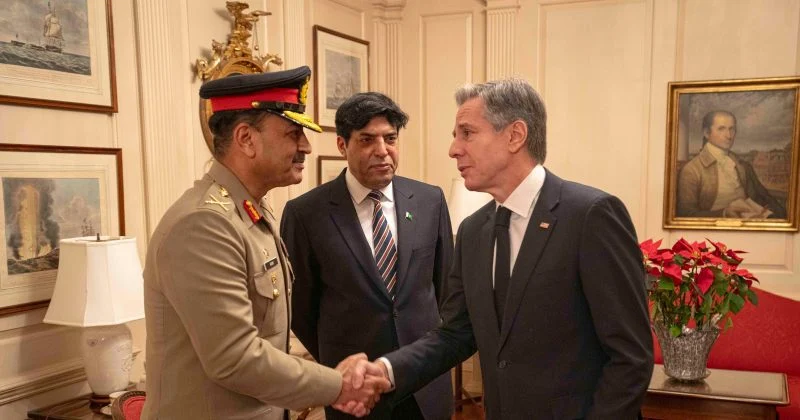
Pakistan’s army chief and interior minister held discussions with Iranian counterparts on de-escalation and conflict settlement, according to a statement from the Pakistani military. The talks took place as regional tensions remained elevated, with Pakistan presenting itself as a possible mediator in Middle Eastern diplomacy.
Islamabad has played this role before. Pakistan shares a roughly 900-kilometre border with Iran across Balochistan, and previous governments have offered to mediate between Tehran and regional rivals, including a 2019 attempt by then-prime minister Imran Khan to broker dialogue between Iran and Saudi Arabia.
The discussions, reported by a credible source, could affect expectations for US-Iran peace talks. Market pricing suggests participants are assigning some probability to improved diplomatic relations following the engagement.
Those prices come from prediction markets, where contracts pay out if a defined event occurs by a set date and the trading price is conventionally read as the implied probability of that outcome.
The market for a US-Iran diplomatic meeting by August 31, 2026, currently implies a 1.7% chance of occurring, down from 2% the previous day. By contrast, the market for a meeting by March 31, 2027, stands at 67.5%, up from 64% a day earlier.
Those figures indicate that the immediate likelihood of a meeting remains low, while expectations for diplomatic progress over a longer horizon have increased.
Key figures in the potential US-Iran peace talks include US President Donald Trump and Iranian Foreign Minister Seyed Abbas Araghchi, with Pakistan and Qatar acting as mediators. Qatar has a record of hosting sensitive negotiations, including the US-Taliban talks that produced the 2020 Doha agreement, while the use of intermediaries itself has precedent in US-Iran diplomacy: Oman hosted the secret 2013 contacts that helped clear the way for the 2015 nuclear accord. The broader regional dialogue appears to align with scenarios in which diplomatic engagement could be facilitated.
Key Takeaways
- Pakistan and Iran held talks focused on de-escalation and conflict settlement.
- The market-implied probability of a US-Iran meeting by August 31, 2026, is 1.7%, down from 2% a day earlier.
- The market-implied probability of a meeting by March 31, 2027, is 67.5%, up from 64% the previous day.
- Market participants appear to view recent regional diplomacy as potentially supportive of future US-Iran negotiations.
What to Watch
Observers should monitor any official announcements from the US or Iran regarding the scheduling of peace talks. Statements from Seyed Abbas Araghchi or the Pakistani government could also signal progress.
Geopolitical developments, including actions by Israel or changes in US policy, may significantly affect the likelihood of talks within the current timeframe. Markets are likely to react to any such shifts in the regional diplomatic landscape.
Get live prediction-market analysis, powered by Vera. Sign up for Vera.

