Ex-DHS Chief of Staff Miles Taylor Urges Democrats to Ready Day-One Subpoenas Over Trump's Military Boat Strikes
Key Takeaways
- •Former DHS chief of staff Miles Taylor is urging Democrats to ready subpoenas for day one of the new Congress to reveal what military lawyers told the Pentagon and President Trump about the boat-strike campaign.
- •Recent lethal strikes by U.S. Southern Command killed two people in the eastern Pacific, and the administration announced another bombing of a suspected drug-running boat on Monday.
- •Taylor and legal analysts argue the strikes are illegal, noting they are carried out under a classified Trump kill order that no U.S. court has reviewed.
- •A July investigation by The Atlantic found the bombing campaign has failed to slow or stop the flow of drugs into the United States.
- •Senator Tim Kaine, after reviewing case details, stated that some of those killed were likely not involved in narcotics trafficking.
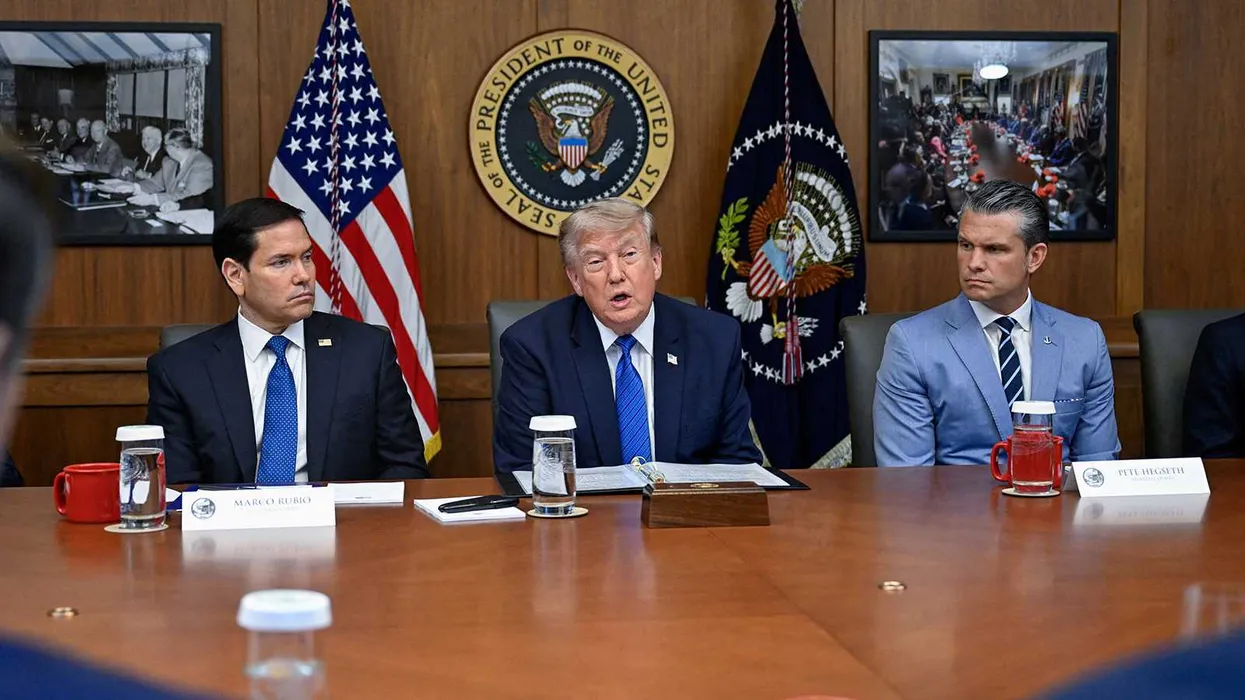
Miles Taylor, former chief of staff at the Department of Homeland Security, is urging Democrats to prepare subpoenas to be issued on day one of the new Congress, aimed at uncovering what military lawyers told the Pentagon and President Donald Trump about the administration's boat-strike campaign.
Taylor's call centers on recent “lethal kinetic strike[s]” carried out by U.S. Southern Command that killed two people in the eastern Pacific, though he argued the approach could apply across the board.
Writing on his Substack, Taylor noted that the Trump administration continues to bomb boats it claims are running drugs into the United States. One such bombing was announced on Monday.
“They were obliterated from the air on the say-so of a classified Trump ‘kill order’ no U.S. court has ever reviewed,” Taylor explained.
According to Taylor, Trump was never joking when he said he could shoot someone on Fifth Avenue.
“This is the same man who said earlier this year the only limitation on his power is his ‘own morality,’” Taylor said. “And I can tell you from firsthand experience in meetings with the man, he thinks a good bit about killing and torturing people.”
An extensive report by The Atlantic in July revealed that the bombings have failed to slow or stop the flow of drugs into the United States — though, as the report noted, that may never have been their actual purpose.
Taylor and legal analysts have said the bombings are illegal. The former Trump administration official also observed that the bombings had paused for the past few months. That could be tied to the administration being overwhelmed by a failed war in Iran, or, as Taylor assessed, “the pause reflects cold feet somewhere inside our government.” He made clear that drug traffickers likely did not take the summer off.
One possibility, Taylor suggested, is that military lawyers finally raised something that made the administration worried about the legality of the actions — and that the person who did so was removed or reassigned so the bombings could continue.
“If that's what happened, Trump officials were right to be nervous. Killing civilians without trial is a pretty dirty business, and merely slapping a label on them — like ‘unlawful enemy combatants’ — doesn't make them allowable military targets,” Taylor warned.
Anyone who ordered, approved, or was connected to the strikes can go to prison, Taylor said. It does not matter what a Department of Justice memo says.
He also noted that during his post in the first Trump administration, cases like this happened often. There were a lot of boats. In those cases, the boats were stopped and boarded by the U.S. Coast Guard, and the suspects were then arrested. None were executed on the spot, as is happening now under Trump. That contrast, Taylor suggested, matters because it reflects the difference between interdiction and lethal force, especially when the government says it is pursuing drug smugglers rather than waging open war.
“If you actually want to stop the drugs, you must stop the boat. You don't sink it. When U.S. forces capture smugglers, they interrogate them and flip them. Then they map the network (from the financiers and the port officials to the cartel lieutenants) and roll up the entire operation,” Taylor said.
Sen. Tim Kaine (D-Va.) revealed that he has read the details of the cases and that there were likely people killed who were not narcotrafficking.
To Taylor's ear, that sounds like the start of an investigation — and as Democrats prepare to take over if they win in 2026, they should be prepared to issue subpoenas to learn what lawyers told the Pentagon and the president. For lawmakers, the immediate issue is not just the strikes themselves but who signed off on them, what legal basis was invoked, and whether internal objections were raised before the campaign resumed.
Originally published by Alternet.

