NYT Editorial Board Warns Trump's 'Flailing Presidency' Leaves 'Thinnest of Hopes' Ahead of Xi Summit
Key Takeaways
- •Xi Jinping arrived in Washington on Tuesday for a state visit featuring customary ceremonial events, including a military flyover and state dinner.
- •The editorial board said cooperation between the United States and China is needed to address AI risks, climate change and disruptions to Middle East shipping.
- •The board argued that Trump’s erratic and self-interested foreign policy has weakened U.S. influence and complicated diplomacy.
- •The editorial said Chinese authorities may have incentives to cooperate because they are concerned about uncontrolled AI, require stable oil supplies and have advanced in clean energy.
- •The board’s stated benchmark for the summit is whether the two governments cooperate on the identified crises without causing further damage.
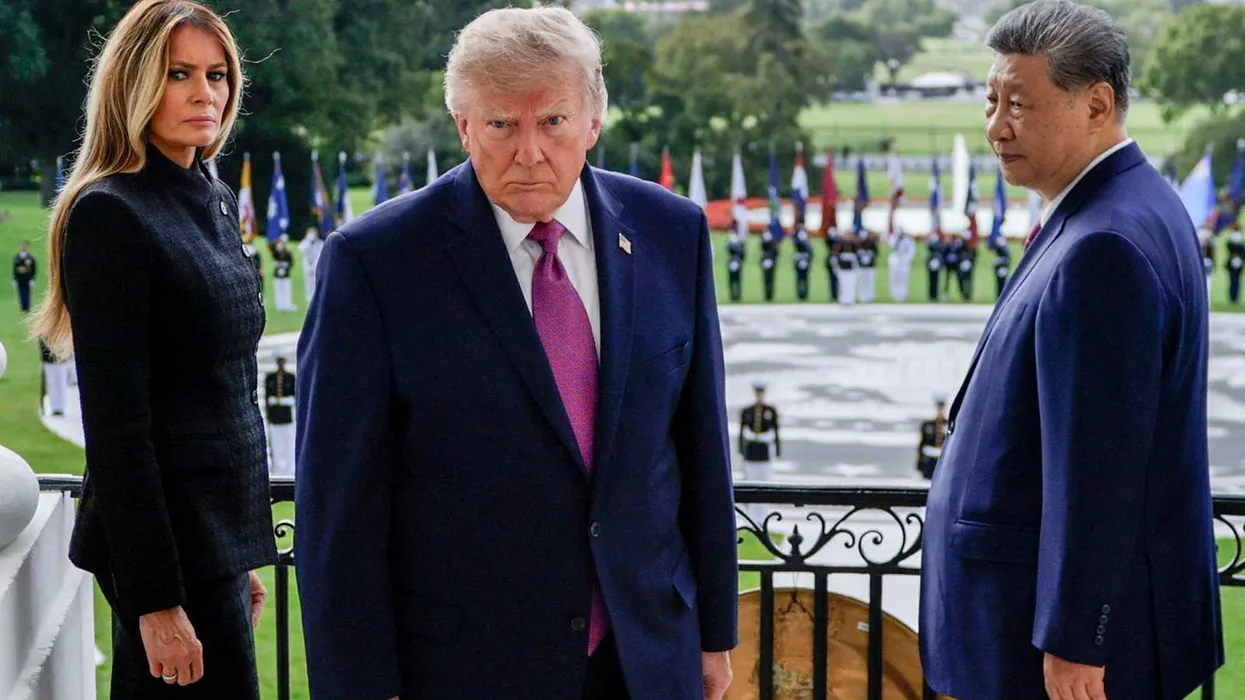
The New York Times editorial board issued a stark warning ahead of this week's U.S.-China summit, writing that President Donald Trump's "flailing presidency is leaving Americans with the thinnest of hopes" for the negotiations — that he might simply make it through the meetings without making anything worse.
In an editorial published Thursday, the board argued that for more than 100 years the United States has played a "leading role in the world," a position it said could now be coming to an end, along with the "expanded prosperity, security and democracy" it has brought. As an editorial, the piece represents the board's institutional view rather than the Times' news reporting.
"Mr. Trump shows little care for these benefits," the board wrote. "He uses international relations to seek personal enrichment, praise from sycophants and equal standing with authoritarians. His flailing presidency leaves Americans with the thinnest of hopes for this week's summit: that he does not further damage the national interest."
Xi Jinping arrived in Washington, D.C., on Tuesday, where the Chinese leader was greeted with a red carpet and a military flyover, with a state dinner to follow on Wednesday. Red-carpet arrivals, military flyovers and state dinners are the standard trappings of a state visit — the customary pageantry for a meeting between the leaders of the world's two largest economies. Even so, the Times said the "low expectations for the visit" underscore "the damage that Mr. Trump is doing to American influence and global well-being."
"He is an undisciplined politician who puts his personal interests above the nation's, running an administration that has no coherent strategy for solving major problems," the board wrote. "He is instead often exacerbating the world's biggest problems."
The editorial identified three leading global crises — potentially catastrophic risks from artificial intelligence, the escalating effects of climate change, and economic damage from disrupted shipping through the Middle East — none of which, it said, any single nation can fix alone. The board said it hopes the world will not grant Trump "the benefit of low expectations."
Cooperation between Washington and Beijing is needed on all three fronts, the board argued, but it saw obstacles: Trump, in its view, does not believe climate change, does not intend to regulate artificial intelligence, and destabilized the Middle East through the Iran war.
The column laments an unfortunate reality on both sides. Trump's erratic, self-interested approach to foreign policy has weakened U.S. influence and made serious diplomacy harder, the board wrote, while Xi, an authoritarian leader, has proved a difficult negotiating partner.
Even so, the board expressed hope that China will still cooperate with the United States. While Trump has said Xi supports an unregulated AI world, the board noted that Chinese authorities also fear AI run amok, need a stable oil supply, and have made great strides in clean energy.
The editorial concludes that Trump's focus on personal enrichment, flattery and status leaves the United States unable to lead on global threats. The best hope for the summit, the board said, is simply that Trump does not cause further damage. For readers tracking the visit, the board's own framing supplies a yardstick: whether the two governments show cooperation on the three fronts it identified — artificial intelligence, climate change and disrupted Middle East shipping — and whether the meetings conclude without the further damage it warned against.

