Nigeria Targets Single-Digit Inflation by End of 2027 in Bid to Ease Borrowing Costs
Key Takeaways
- •Finance Minister Taiwo Oyedele announced at the Nigeria Economic Summit that the government aims to reduce inflation to low single digits before the end of 2027 to unlock cheaper borrowing and faster growth.
- •Nigeria's headline inflation fell to 14.63% in September 2026 from 15.39% in August, while food inflation remained high at 19.59%, according to the National Bureau of Statistics.
- •The Central Bank of Nigeria lowered its benchmark interest rate from 26.5% to 23% in September and is transitioning toward an inflation-targeting framework intended to improve policy transparency and effectiveness.
- •igeria last reached single-digit inflation in December 2006, when it fell to 8.5%, and the central bank kept prices within single digits through 2007 using open market operations and other monetary tools.
- •Even if inflation returns to single digits, loan rates are unlikely to drop to single digits overnight because lenders also factor in funding costs, borrower risk and operating expenses.
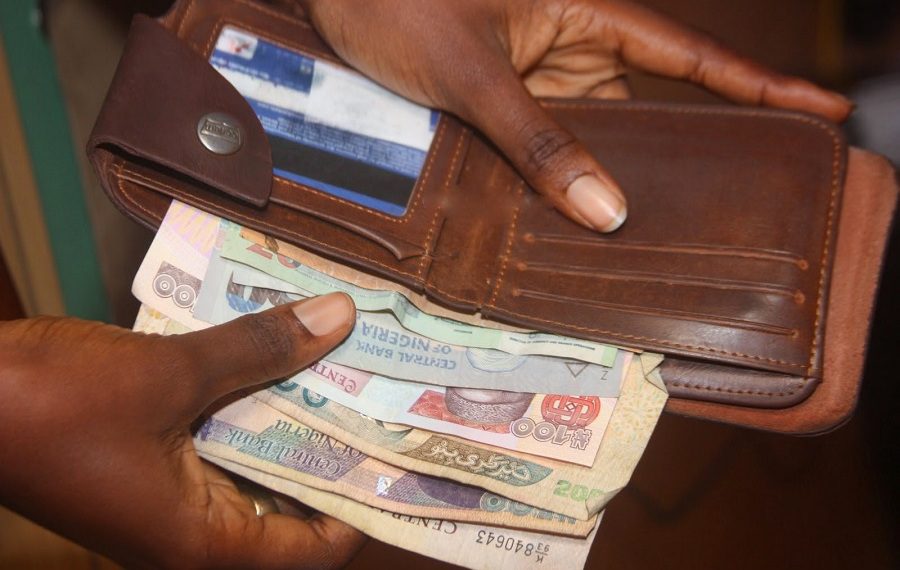
Nigeria is aiming to bring inflation back down to single digits by the end of 2027, a goal the government believes could open the door to cheaper loans, more investment and faster economic growth. After years of rising prices and expensive credit, the bigger question is whether Nigerians will feel the difference in their pockets.
Speaking at the Nigeria Economic Summit on Monday, Finance Minister Taiwo Oyedele said the government wants to cut inflation to low single digits before the end of 2027. Lower inflation, he argued, could create room for interest rates to fall, making it easier for businesses to borrow and expand.
“If you are growing at 4.43% and borrowing at close to 30%, imagine what is possible when you borrow at single-digit rates,” Oyedele said, according to Reuters.
The gap he described is a familiar one for Nigerian companies, which may have customers and a promising product yet still struggle to borrow enough to expand because the cost of credit eats into potential profit.
Progress so far has been incremental. Nigeria's headline inflation rate fell to 14.63% in September 2026, from 15.39% in August, according to the National Bureau of Statistics. Food inflation, however, remained high at 19.59%. The Central Bank of Nigeria (CBN) cut its benchmark interest rate from 26.5% to 23% in September. The monthly inflation releases that follow, and the central bank's subsequent rate decisions, will show whether that improvement holds.
That is some movement, but prices are still rising and borrowing remains expensive. Reaching single-digit inflation would take more than a government target: it would require sustaining the policies that slow price increases without creating fresh pressures elsewhere in the economy.
It would not be the first such feat. In December 2006, inflation fell to 8.5%, meeting the single-digit target of the time. The CBN said it kept inflation in single digits through 2007, using measures that included open market operations and government securities to absorb excess money from the financial system, along with foreign exchange interventions and other monetary tools to manage liquidity and support price stability.
That history matters because it shows single-digit inflation is possible in Nigeria. But reaching the target at a point in time is different from keeping prices stable over several years, particularly for an economy facing exchange-rate pressure, food supply problems and rising transport costs.
The current challenge has been shaped by recent reforms. Since 2023, the government has removed petrol subsidies and restructured the foreign exchange regime. The moves were intended to improve public finances and the functioning of the currency market, but they also pushed up the naira cost of fuel, imported goods and other essentials.
The International Monetary Fund (IMF), in its June 2026 analysis of Nigeria's inflation, identified food prices, supply disruptions, deficit financing and sharp currency depreciation as important drivers of price increases. It also found that tighter monetary policy and greater exchange-rate stability had helped reduce the persistence of inflation.
Those findings point to what must happen next. The CBN needs to keep inflation under control, while the government must avoid fiscal decisions that undermine that effort. Food production and distribution also need attention, as poor harvests, insecurity, transport costs and other supply problems can keep prices high even when monetary policy is tight.
The central bank is also transitioning towards an inflation-targeting framework, under which it would announce a clear inflation target and use monetary policy to achieve it. The bank says the approach is intended to improve transparency, accountability and policy effectiveness, and its success will depend on clear targets, credible decisions and coordination between monetary and fiscal authorities. Once a formal target is announced, it would also give businesses and households a fixed yardstick against which each monthly inflation reading can be measured.
One important distinction: Oyedele's announcement is the government's stated ambition. It should not automatically be read as evidence that the CBN has already committed to achieving a particular formal target by that date.
Even if inflation falls into single digits, loan rates are unlikely to drop to single digits overnight. The CBN's benchmark rate influences the cost of money in the financial system, but it is not the rate every borrower pays. Banks and other lenders also weigh their own funding costs, the risk of a borrower failing to repay, operating expenses and the return they need to make on a loan.
For a small business, that distinction can determine whether expansion is possible. A retailer seeking money to restock goods, for example, may still face a steep interest rate if a lender considers its income unpredictable or its repayment risk high. A lower inflation rate could make costs easier to plan for, but it would not remove those lending risks.
The same arithmetic applies to fintech lenders. Companies offering digital loans need access to funding before they can lend to customers. If their own borrowing costs remain high, they may keep charging customers expensive rates or limit the credit they provide. Lower inflation could eventually help, but the benefit depends on funding becoming cheaper and lenders passing those savings on.
Consumers face a similar test. Slower inflation means prices are rising more slowly; it does not mean food, transport or rent automatically becomes cheaper. If incomes remain under pressure, households may still struggle to repay loans even as the inflation rate falls.
Nigeria's recent experience illustrates the gap. The CBN cut its benchmark rate to 23% in September, but the move did not immediately make credit affordable for every borrower, and the bank itself noted that market interest rates had diverged from its benchmark.
For cheaper borrowing to become a real outcome, inflation must fall sustainably, the naira must avoid renewed sharp depreciation, and the government must manage spending and borrowing in a way that does not add to price pressures. Lenders must also see lower funding costs and manageable credit risks before they can offer more affordable loans.
Oyedele's target sets out an important ambition, but the real test will be what happens between now and the end of 2027 — visible in the monthly inflation data, the central bank's decisions and whether fiscal policy stays aligned with the disinflation effort. Nigeria has brought inflation into single digits before. This time, success will mean not only reaching the number, but keeping it there long enough for businesses to invest, fintechs to lend on better terms and households to find credit less punishing.

