World Leaders Laugh Off Trump-Backed Plan to Make Orbán U.N. Secretary-General
Key Takeaways
- •The Wall Street Journal reported that the Trump administration is pressing Viktor Orbán to launch a bid for U.N. secretary-general as a candidate potentially acceptable to Washington, Moscow, and Beijing.
- •The secretary-general is nominated by the U.N. Security Council, where the U.S., Russia, and China hold vetoes, and no person from Eastern Europe has ever held the post.
- •Polish Prime Minister Donald Tusk dismissed the Orbán reports as laughable, likening them to a recent false claim that Orbán would become European Commission president.
- •Orbán, long promoted by MAGA figures as a model of far-right governance, was voted out in Hungary's April election, which observers described as a significant psychological blow to the movement.
- •Trump's relations with world leaders have visibly strained, with figures such as Tusk and Italian Prime Minister Giorgia Meloni publicly distancing themselves from him this year.
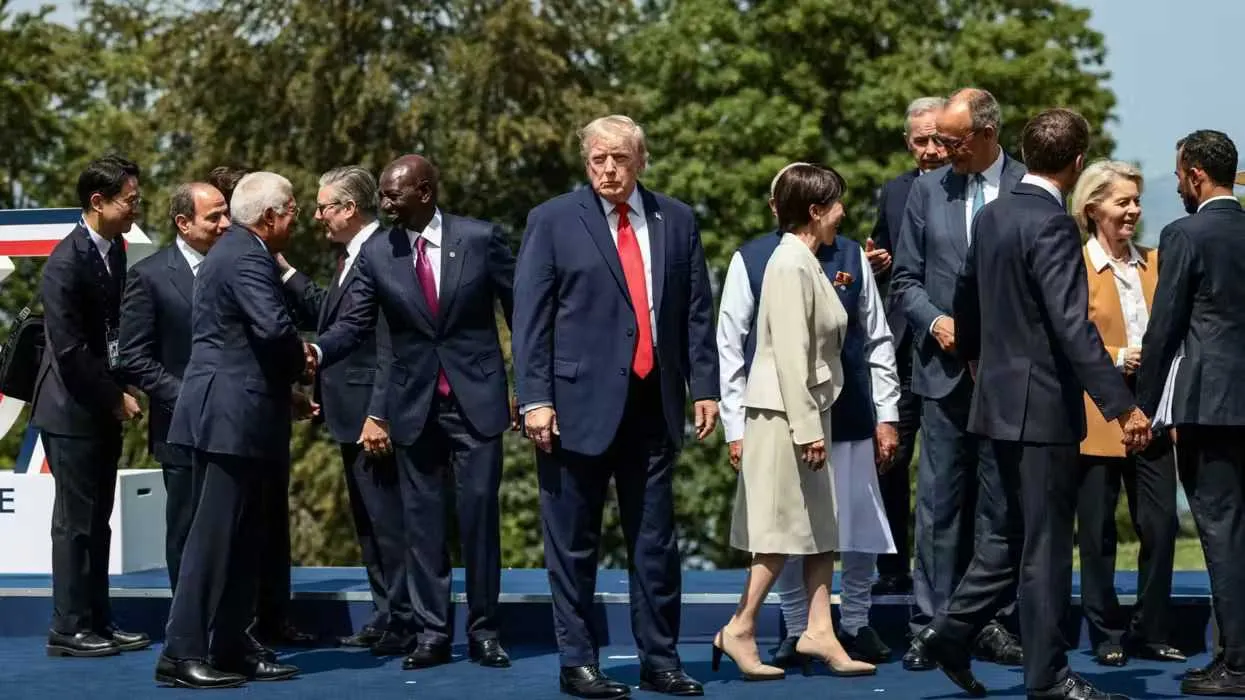
World leaders are once again dismissing President Donald Trump's latest maneuver, this time a reported push to take the MAGA movement global by placing a key ally at the United Nations.
According to Politico, Polish Prime Minister Donald Tusk on Monday morning scoffed at reports that the Trump administration is considering former Hungarian Prime Minister Viktor Orbán, a close MAGA ally, as a candidate for U.N. secretary-general. The Wall Street Journal had reported over the weekend that the administration is pressing Orbán to launch a bid for the position, arguing that he could serve as a compromise candidate acceptable to Washington, Moscow, and Beijing. The mechanics of the selection help explain why that framing carries weight: the secretary-general is nominated by the U.N. Security Council, where the United States, Russia, and China hold vetoes as permanent members, and then formally appointed by the General Assembly — making a candidate's acceptability to all five permanent powers the decisive hurdle. No secretary-general has ever come from Eastern Europe. And with António Guterres's second term set to expire at the end of 2026, the contest to succeed him is already underway.
Tusk — one of Europe's most high-profile leaders, having recently served as President of the European Council — was asked about the matter, and his smiling response suggested much about the viability of Orbán's candidacy.
“Just a moment ago, he was a candidate for president of the European Commission,” Tusk noted, referring to a recent false claim that the ousted Hungarian leader could become Commission president. “This seems to me just as funny as that first rumor.”
The episode sits at the intersection of two trends: Trump and his allies' failed endeavor to make MAGA a global movement, and world leaders' growing unwillingness to placate the U.S. president.
For years, Orbán's semi-autocratic rule in Hungary was propped up as a model for MAGA, with top figures from the movement visiting the country to champion his leadership, which was characterized by its anti-immigrant, anti-democratic qualities. Orbán also enjoyed headline appearances at Republican events such as CPAC. But when he was voted out in April, it was considered a major blow to MAGA adherents who had previously viewed his rule as evidence that global far-right governance was somehow fated.
At the time, there were reports that Trump was “crashing out” over the loss. According to Ivan Krastev, chair of the Center for Liberal Strategies in Sofia, Bulgaria, Orbán's defeat had “an incredible psychological impact” on the far-right. And as Orbán biographer Pal Daniel Renyi put it, the election was proof to Orbán, Trump, and their followers that “nothing lasts forever.”
Tusk's response to Orbán's reported U. candidacy also revealed European leaders' diminishing willingness to even pretend to take Trump seriously. Earlier this year, he found that “all doors have shut” to Trump after the U.S. president attempted to bully Europe into entering his war against Iran. Trump's behavior managed to insult even far-right allies such as Italian Prime Minister Giorgia Meloni, who publicly broke with him after a “sexist insult” earlier this year.
Trump's strained relationship with world leaders was put on full display during the G7 summit in June, when photographs emerged of him standing, glaring, alone while other heads of state shook hands and chatted amicably with one another.

