Land Access Remains a Challenge for the Next Generation of Cattle Producers
Key Takeaways
- •Craig Uden, president of Nebraska Cattlemen, says a tax incentive is needed to help landowners transfer property to the next generation of producers.
- •Without such incentives, Uden warns farmland will sell to the highest bidder and shift toward development and hunting properties.
- •USDA's 2022 Census of Agriculture put the average age of U.S. farm producers at about 58, underscoring the generational handoff challenge.
- •Uden says an incentive could also encourage retiring producers to mentor those entering the industry.
- •The One Big Beautiful Bill, signed into law in July 2025, raised USDA farm loan limits and boosted reference prices and disaster assistance.
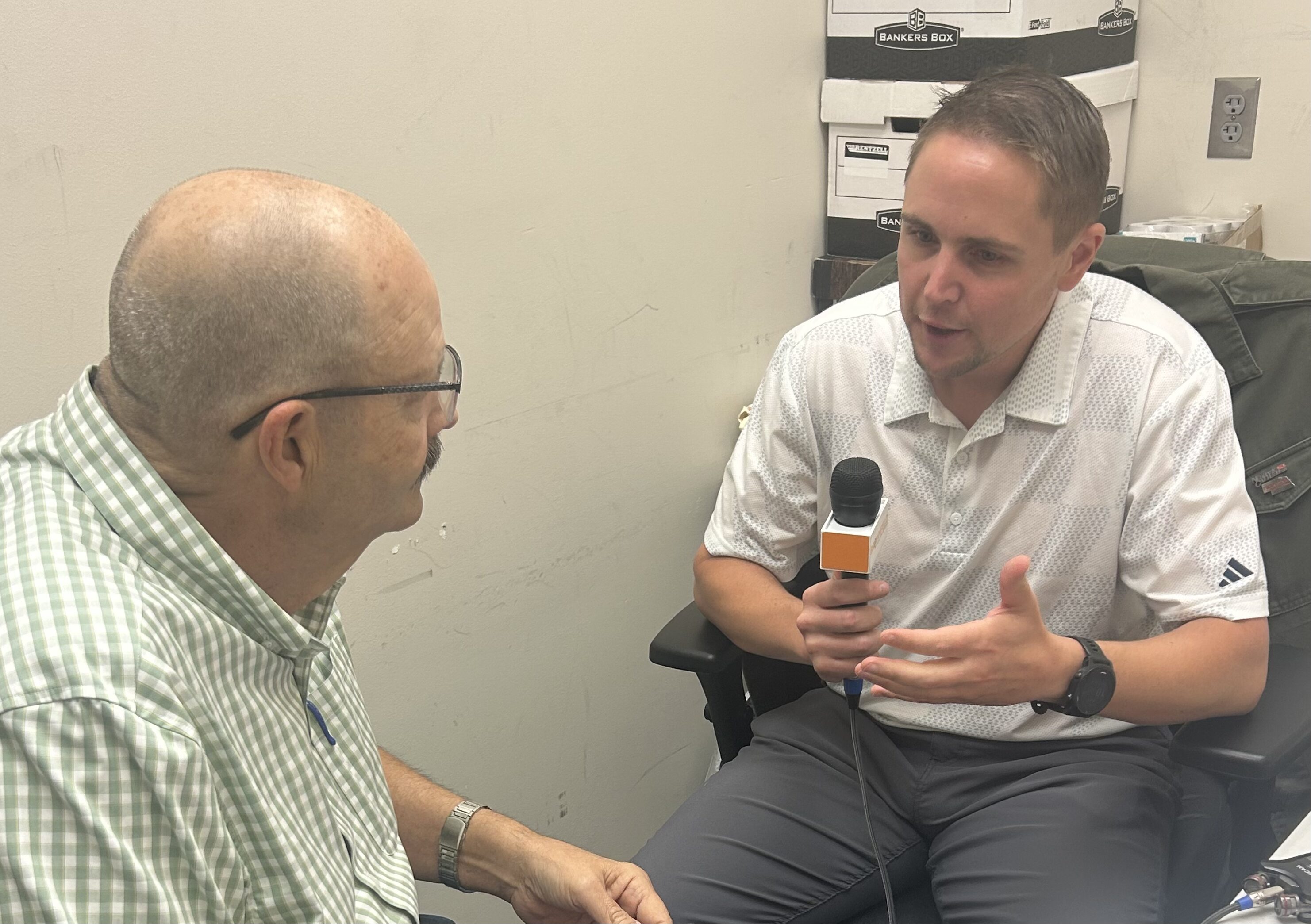
Creating opportunities for the next generation of cattle producers starts with land access, according to Nebraska Cattlemen President Craig Uden.
"If we're going to increase our cow herds, we need to figure out a way to move properties from one generation to the next generation," Uden said.
Uden says he would like to see a tax incentive that helps landowners transition property. "The reason I say that is if you don't encourage that, land is going to go to the highest bidder. You're going to see more development and more things like more hunting and development properties. So far, that's what we've seen."
Land access has long been identified as a top barrier for beginning farmers. USDA's 2022 Census of Agriculture put the average age of U.S. farm producers at about 58, and the share of producers with ten years of experience or less has remained a minority of the farming population, underscoring the generational handoff Uden describes.
Such an incentive, he tells Brownfield, could also help connect retiring producers with those entering the industry. "We can then encourage the folks that are aging out to help mentor the young person as they move forward. I think there are opportunities out there, and I think it's something that's desperately needed."
Uden also points to changes in the One Big Beautiful Bill as potentially helpful, including increasing loan limits and expanding risk management programs. The legislation, signed into law in July 2025, included provisions raising USDA farm loan limits and boosting reference prices and disaster assistance under federal farm programs, measures agricultural groups have framed as support for producers facing tighter margins.
