Iran to Raise Gasoline Prices for Users Consuming More Than 110 Litres per Month
Key Takeaways
- •Iran will charge higher gasoline prices to consumers whose monthly usage exceeds a 110-litre threshold, effective Tuesday.
- •The policy was reported by Cointelegraph in a post on X as part of Iran's response to economic pressure from war and U.S. sanctions.
- •Consumers who stay within the 110-litre monthly limit will not face the price increase described in the report.
- •Iran has long used a rationed, two-tier gasoline pricing system with subsidized quotas to control subsidy costs.
- •The 2019 gasoline price increase in Iran triggered widespread protests, making fuel pricing a politically sensitive issue.
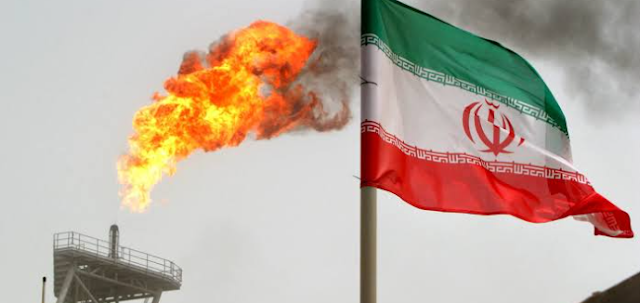
Iran is set to introduce higher gasoline costs for consumers whose monthly usage exceeds a 110-litre threshold, a measure that takes effect Tuesday. The policy comes as the country contends with the combined economic pressure of conflict and long-standing U.S. sanctions.
The development was reported by Cointelegraph in a post on X, which cited the change in gasoline pricing as part of Iran's response to the economic conditions created by war and sanctions.
New Pricing Threshold Takes Effect Tuesday
Under the reported measure, the 110-litre monthly threshold will determine which gasoline users face higher prices. Consumers whose usage remains within that limit would not be affected by the specific increase described in the report. The change marks a shift toward charging higher rates for gasoline consumption above a defined monthly level rather than applying a uniform increase for all users.
Iran has operated a rationed, two-tier gasoline pricing system for years, in which motorists receive a monthly quota of fuel at a subsidized price and pay a higher rate beyond it. The reported 110-litre threshold sits within this tradition of managing domestic fuel demand through quotas, a policy tool the government has used to contain the fiscal cost of subsidies.
The X post did not provide the new gasoline price or specify the exact rate that would apply once users exceed the threshold. Nor did the source offer details on the government's expected revenue from the measure or its broader fiscal impact.
War and Sanctions Add Economic Pressure
Iran's gasoline market has long been closely tied to broader economic policy, particularly because fuel consumption and pricing carry significant implications for household costs and government finances. The measure reported by Cointelegraph explicitly links the pricing change to the fallout from war and U.S. sanctions, though the post did not identify the particular effects of those pressures on gasoline supplies, government spending, or domestic fuel demand.
Fuel pricing is a politically sensitive issue in Iran. Past changes to gasoline prices and quotas have drawn significant public reaction, notably the 2019 price increase that triggered widespread protests, which makes any adjustment to subsidized fuel rates a closely watched policy decision.
The 110-litre threshold therefore represents the central detail of the reported policy. Rather than describing a universal price increase, the measure is directed at consumption above the specified monthly level.
Higher Consumption to Face Increased Costs
The implementation date, Tuesday, is the immediate next step for affected consumers. Users who exceed 110 litres per month will face the higher gasoline prices under the reported change.
The X post did not state whether the threshold or pricing structure would later be adjusted, nor did it provide a timetable for further changes. Details on the new rate and how the higher charges will be applied remain outside the information provided in the report.
For now, the key change is the introduction of higher gasoline prices for monthly consumption above 110 litres, with the measure taking effect Tuesday as Iran confronts the economic fallout of war and U.S. sanctions.
