Mary Trump Discusses President Trump's 'Undiagnosed Condition' and What She Says He Fears Most
Key Takeaways
- •Mary L. Trump, a licensed clinical psychologist and the president's niece, stated that Donald Trump has longstanding, untreated, and undiagnosed psychiatric conditions that have worsened over time.
- •She attributed his current behavior to a combination of cognitive, psychological, and physical decline, noting that Alzheimer's disease runs in the Trump family and that their grandfather showed symptoms in his early eighties.
- •Mary Trump identified humiliation as the president's deepest fear, asserting that his actions are fundamentally driven by a desperate need to avoid it.
- •She argued that Trump's admiration for authoritarian figures actually reveals his own weakness and makes him susceptible to manipulation by those who understand his insecurities.
- •Her comments reflect a broader national conversation about presidential fitness and age that has become increasingly prominent in recent election cycles.
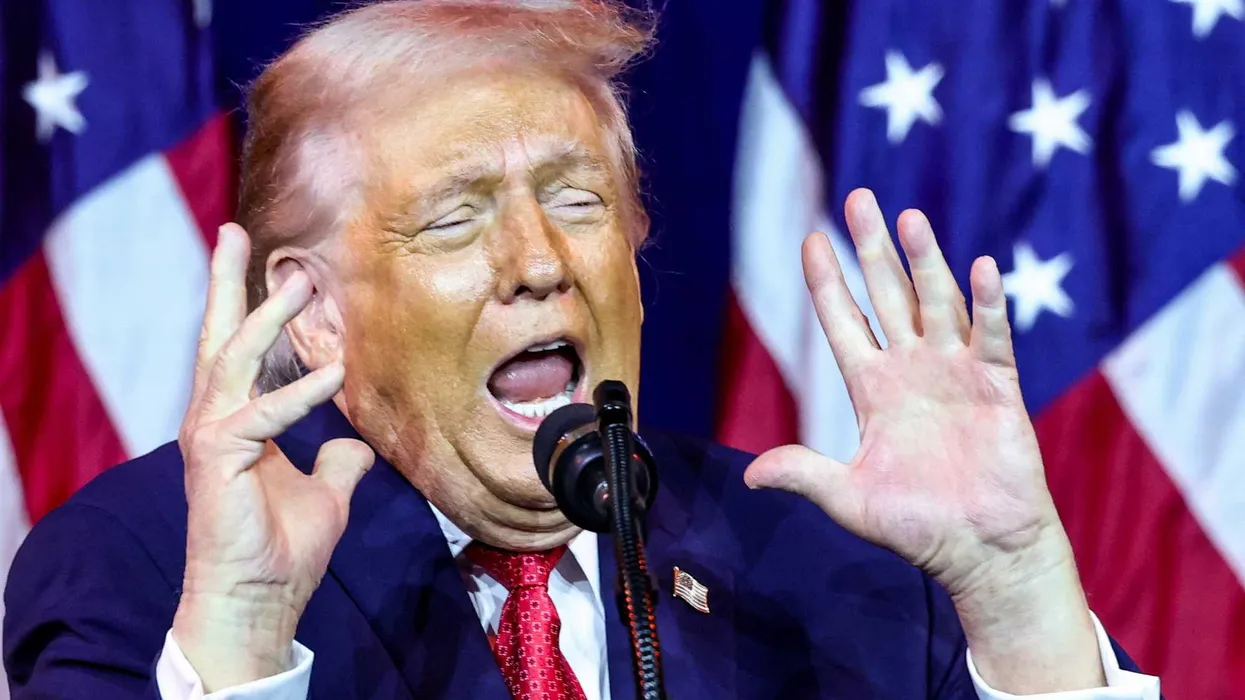
In recent months, numerous concerns have been raised regarding President Donald Trump's physical and mental health, with polls indicating that a majority of Americans doubt his "stamina and sharpness" to lead. On Friday, his niece, psychologist Mary L. Trump, discussed what she described as his "undiagnosed condition" and delved into what she believes he fears most. Mary Trump, who holds a doctorate in clinical psychology and authored the 2020 bestselling family memoir Too Much and Never Enough, has been a vocal critic of her uncle throughout his political career, offering insights grounded in both her professional training and decades of firsthand family observation.
Mary Trump made the remarks during a conversation with political operative Sidney Blumenthal, a journalist and former adviser to President Bill Clinton, who posed the question of whether the president "has always been crazy. We know he's mad, but is the deterioration accelerating, and how fast?"
"I think that's a really good and important point to underscore," Mary Trump responded. "This isn't a different guy. This isn't somebody who's suddenly becoming a worse person or a more unhinged person. You see some of Donald's former allies trying to distance themselves from him by saying, 'He's not the guy I knew.' Yes, he is. He's been exactly the same person for decades. What we're seeing now is the perfect storm of cognitive, psychological, and physical decline simply revealing who he is in a way that's making it more obvious for people who either haven't been paying attention or, for their own reasons, wanted to give him the benefit of the doubt and pretend he was something he wasn't. So yes, the decline is worsening, and that's simply what happens."
She then raised the issue of what she called "his psychiatric disorders," asserting that "these are longstanding, untreated, undiagnosed conditions." She explained, "When you don't treat an illness, it worsens over time. The psychological deterioration is also being accelerated by the combination of cognitive and physical decline. He's 80 years old, and he's not healthy. Alzheimer's runs in my family. My grandfather had Alzheimer's, and his symptoms began worsening in his early eighties. He was also physically healthier than Donald is." Her comments come amid a broader national debate about presidential fitness and age that has intensified in recent election cycles, with voters across the political spectrum increasingly weighing candidates' cognitive and physical health as a factor in their decision-making.
Blumenthal observed that "Donald loves strongmen, and he loves to be seen as a strongman himself. He loves to cozy up to Vladimir Putin and stand beside Xi Jinping. He talked endlessly about the love letters he received from Kim Jong Un. Now, however, he's encountered actual strongmen who are defeating him. This must be a tremendous shock to him."
This prompted Mary Trump to emphasize her uncle's frailty and how it contributes to what she identified as his greatest fear. "I don't know that he can grapple with it on a conscious level, which is exactly why he's becoming increasingly desperate," she said. "He's trying to do several things simultaneously: change the subject, change the narrative, and somehow manufacture a win. What I find fascinating is that, because of the ways in which he admires and makes himself subservient to so-called strongmen, he reveals just how weak he actually is. It reminds me of one of the fundamental truths about Donald that people need to understand."
"The thing he fears most is humiliation," she continued. "And right now, he's being humiliated on a daily basis by the consequences of the very things he chose to do, from the ridiculous, like the reflecting pool, to something as catastrophic as the war with Iran. Deep down, he is now, just as he has always been, a terrified little boy. Everything he does is driven by fear and by a desperate need to avoid humiliation."
This dynamic, according to Mary Trump, has made the president vulnerable to manipulation. She explained that those in his orbit "understand his narcissism and his profound insecurities. He'll approve almost anything as long as he's getting what he wants in return. Right now, what he wants most is adulation, compliments, power, and money. Mostly money, but the rest matters to him too."

