Trump Says Saudi Arabia, UAE, Qatar, and Iran Urged Halt to Military Strikes
Key Takeaways
- •Four nations—Saudi Arabia, the UAE, Qatar, and Iran—collectively urged Trump to halt military operations, which he interpreted as a signal enabling broader diplomatic engagement with Tehran.
- •A potential agreement under discussion could address both the Strait of Hormuz and Iranian denuclearization, following the legacy of the 2015 Joint Comprehensive Plan of Action that the US exited in 2018.
- •The Strait of Hormuz transits approximately one-fifth of the world's daily oil supply and has experienced repeated security incidents, making any arrangement affecting it consequential for global energy markets.
- •Market participants are tracking whether a US-Iran diplomatic meeting hosted in the UAE might occur by September 30, 2026, reflecting heightened sensitivity to these diplomatic signals.
- •Saudi Arabia and Iran restored diplomatic relations through a 2023 China-brokered agreement, while Qatar has recurrently acted as a diplomatic intermediary in regional disputes.
- •Observers are awaiting official statements from the White House and Gulf nations regarding the timing, location, and scope of the next round of US-Iran engagement.
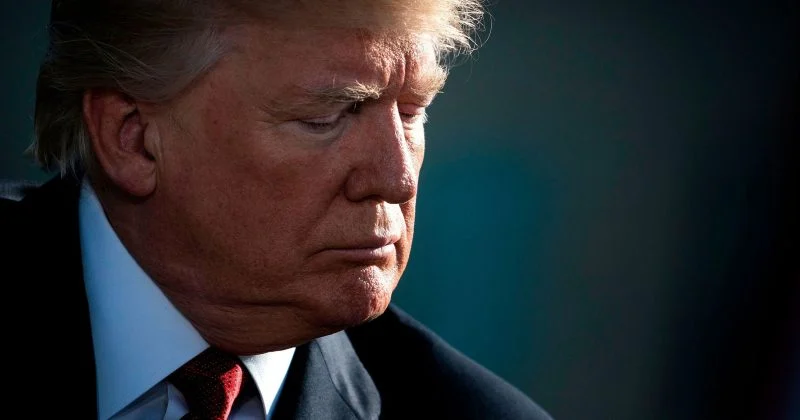
Former President Donald Trump stated that Saudi Arabia, the United Arab Emirates, Qatar, and Iran all urged him to halt military strikes, suggesting that a diplomatic agreement on the Strait of Hormuz and Iranian denuclearization may be within reach.
Trump's comments come amid a fragile ceasefire and ongoing negotiations intended to de-escalate regional tensions. The Strait of Hormuz, a narrow shipping lane between Oman and Iran through which roughly one-fifth of the world's daily oil supply passes, has long been a flashpoint in Gulf security dynamics. The waterway has seen repeated incidents in recent years, including tanker seizures and brief confrontations involving naval forces, underscoring its persistent volatility. Any arrangement affecting its status would carry significant implications for global energy markets and maritime commerce.
According to Trump, the four nations collectively pressed for an end to military operations, a signal he interpreted as opening the door to a broader diplomatic understanding with Tehran. He indicated that a deal encompassing both the Strait of Hormuz and denuclearization could be under discussion. Any renewed nuclear diplomacy would unfold against the legacy of the 2015 Joint Comprehensive Plan of Action, from which the United States withdrew in 2018 under the Trump administration, and subsequent efforts by European and international partners to preserve the agreement.
Market activity reflected heightened attention to these diplomatic developments, with particular focus on the possibility of a US-Iran meeting hosted in the UAE. Participants appear to be closely tracking the probability of such a gathering occurring by September 30, 2026, with Trump's remarks suggesting a potential shift in the diplomatic landscape that could influence the likelihood of future Gulf-based talks.
The former president's statements emerge against a backdrop of layered regional negotiations. The Gulf states—Saudi Arabia and the UAE in particular—have maintained complex relationships with Iran, balancing economic and security interests while seeking to avoid escalation. Saudi Arabia and Iran restored diplomatic ties in a 2023 agreement brokered by China, a development that reshaped regional diplomacy and created new channels for de-escalation. Qatar, which hosts a major US military installation at Al Udeid Air Base, has frequently served as a diplomatic intermediary in regional disputes.
Observers are now watching for any official announcements from the White House or the involved Gulf nations regarding the timing and location of the next round of US-Iran diplomatic engagement. Confirmation of talks scheduled in the UAE would likely affect market expectations further. Statements from Iranian officials or other key regional actors may also offer signals about the trajectory and potential outcomes of negotiations.

