Trump proposes meeting with Lula over tariffs amid rising US-Brazil trade tensions
Key Takeaways
- •The August 21 call between Lula and Trump lasted more than an hour and focused mainly on US tariffs on Brazilian goods.
- •The US currently imposes a 25% tariff on Brazilian imports after previously raising the rate as high as 50% in 2025.
- •Trump proposed a meeting between government officials from both countries to discuss tariff adjustments.
- •The trade dispute has become linked to tensions over former Brazilian President Jair Bolsonaro’s prosecution in Brazil.
- •Ongoing tariffs could pressure Brazilian exporters by limiting access to the US market and affecting bilateral trade volumes.
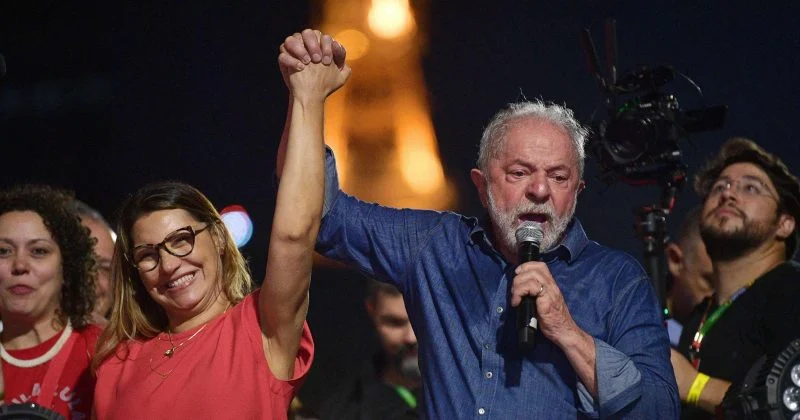
Brazilian President Luiz Inácio Lula da Silva and US President Donald Trump spoke by phone on August 21, with Lula pressing for renewed negotiations over tariffs that have strained one of the Western Hemisphere’s most important trade relationships. Trump responded by proposing a meeting between officials from both governments to discuss the issue.
The call lasted more than an hour. At the center of the discussion were the 25% tariffs the US currently levies on Brazilian imports, which Lula has described as unfounded.
A tariff timeline that has grown more complex
Trade friction between Washington and Brasilia has intensified since Trump returned to office. The US has adjusted tariffs on Brazilian goods several times since 2025, at one point raising them as high as 50% before settling at the current 25% rate.
Lula has called the rationale behind the tariffs baseless and has pushed back against the Trump administration’s claims that Brazil engages in unfair trade practices. The US has cited Section 301 investigations into Brazilian trade practices as justification for the levies, a legal mechanism that allows the president to impose tariffs in response to what it deems discriminatory foreign trade policies — the same statute Washington has previously relied on to impose tariffs on Chinese goods.
Lula and Trump met face to face at the White House on May 7, 2026. That meeting led to an agreement to create a bilateral working group focused on tariff adjustments. The group was given a 30-day mandate to explore possible solutions. Before that White House meeting, the two leaders also spoke by phone in October 2025, covering much of the same ground.
Political tensions on both sides of the hemisphere
The dispute has also become entangled with the political saga surrounding former Brazilian President Jair Bolsonaro, with tariff actions frequently linked to controversies involving his prosecution in Brazil. Bolsonaro is on trial before Brazil’s Supreme Court over an alleged plot to overturn his 2022 election defeat, which included the January 8, 2023 storming of federal government buildings in Brasília, and Trump has publicly criticized the case against Bolsonaro.
The timing is particularly sensitive for Lula. Brazil is set to go to the polls in October 2026, and ongoing US tariffs pose economic headwinds for Brazilian exporters. Brazilian officials have reportedly viewed the latest round of talks positively, describing the continued dialogue as progress rather than stalemate.
What the tariffs mean for trade
For US importers of Brazilian goods, the tariffs add a quarter of the purchase price at the border. The breadth of the trading relationship magnifies the exposure: Brazil is one of the world’s largest agricultural exporters and a leading supplier to the US market of products such as coffee, orange juice, sugar, and beef, while the two countries also trade aircraft, machinery, and manufactured goods. On the Brazilian side, reduced access to the US market could have a meaningful effect on bilateral trade volumes. Exporters unable to compete at tariff-inflated prices must either find new buyers or scale back production.
Despite months of leader-level contacts — two phone calls and a White House meeting since October 2025 — the 25% rate remains in place. The officials-level meeting Trump proposed on the August 21 call would be the next concrete step in that process, and a measure of whether sustained dialogue can translate into changes to the tariff schedule.
