Texas Gov. Greg Abbott Pauses Data Center Projects and Orders Audit in Abrupt Policy Reversal
Key Takeaways
- •Texas Governor Greg Abbott has paused all data center projects statewide and ordered an audit, reversing years of tax incentives designed to attract tech companies.
- •Texas's ERCOT-run electric grid is largely disconnected from the rest of the country, limiting its ability to import power during demand spikes, a weakness exposed by the 2021 winter storm blackouts.
- •Data centers have become a political flashpoint for both parties, with polling showing voter concern that AI threatens livelihoods and little techno-optimism among average voters.
- •Even the Trump administration, despite its strong support for AI, has backed a ratepayer protection pledge to limit data centers' effects on consumers' energy bills.
- •Key open questions include what the audit concludes, how long the pause lasts, and whether other states that courted data centers with incentives will follow Texas's example.
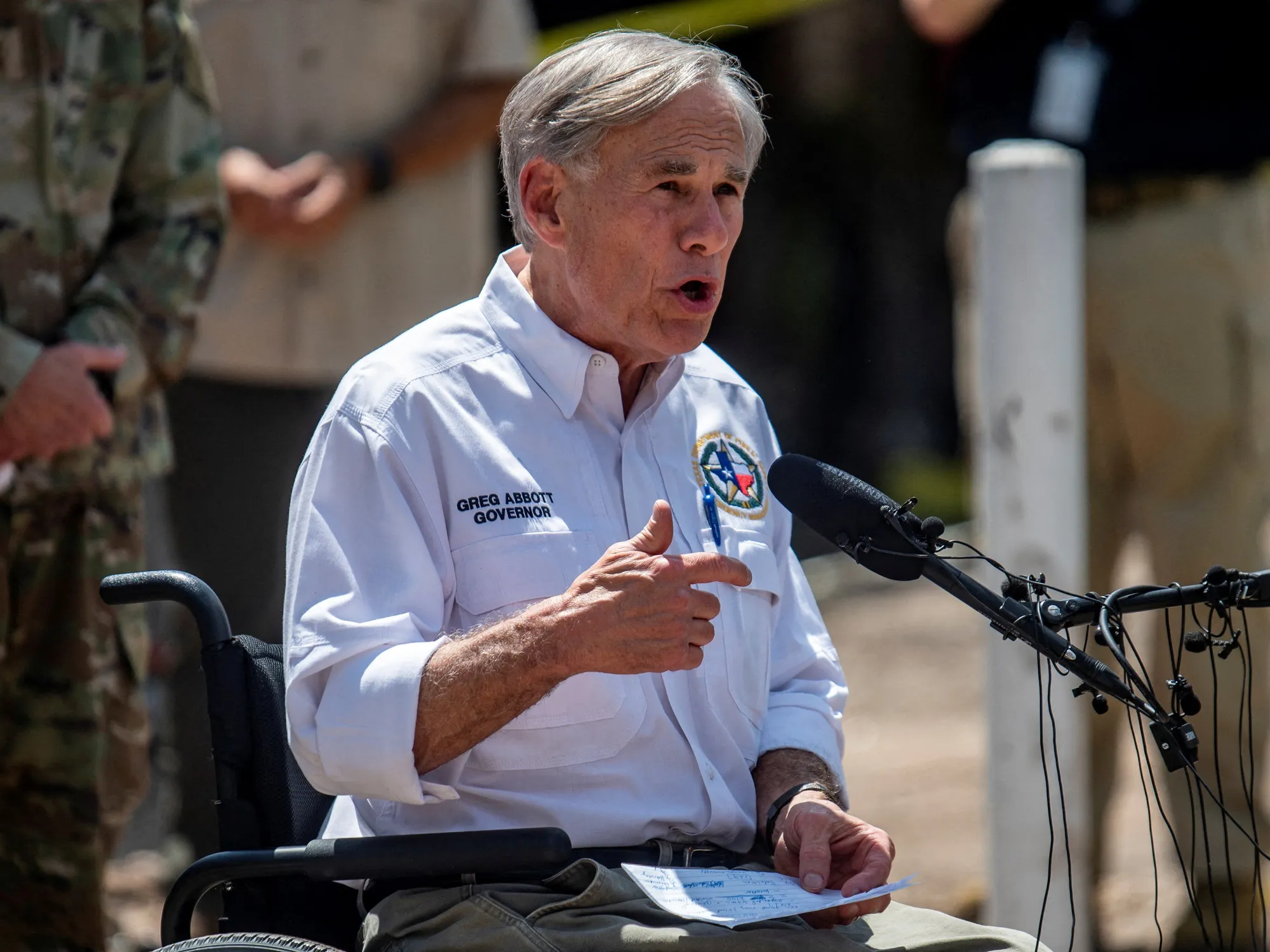
Texas Gov. Greg Abbott has abruptly reversed course on a key development policy, pausing all data center projects in the state and ordering an audit.
The reversal lands in a state that has become one of the country's largest and fastest-growing data center markets — and one whose electric grid, run by ERCOT, is largely disconnected from the rest of the country and cannot easily import power when demand spikes, a constraint that drew national attention during the 2021 winter storm blackouts.
Data centers have become a political flash point for both parties, with voters enraged by their consumption of resources and by their role in powering an AI industry that is increasingly distrusted. That Abbott is responding to that fury while seeking re-election is, in the view of Semafor's David Weigel, truly remarkable.
Speaking on MS NOW with Katy Tur, Weigel said the Lone Star State has become "a case study of how fast this issue has moved under the feet of politicians," because "for all of Greg Abbott's time as governor," Texas "has had tax breaks for tech companies and for building their data centers. This is an attraction, from Abbott's perspective. Texas can take jobs from places like California, New York, etc."
Now the governor has instituted a break-glass pause on development for the entire industry — and when you look at the polls, said Weigel, it is no surprise why.
"Pew has good polling on this AI coming in and taking away their livelihoods," said Weigel. "There is just not a lot of techno-optimism among your average voters, and Republicans have been adapting to this very quickly" — with even the Trump administration, which has been full steam ahead on AI, pushing a "ratepayer protection pledge" to try to mitigate the effects of data centers on consumers' energy bills.
That pledge speaks to a concern now echoing through state capitols and utility commissions across the country: data centers are driving a sharp rise in electricity demand, and regulators are wrestling with how to divide the cost of the new generation and transmission needed to serve that load between the tech companies plugging in and the households already paying the bill.
Other issues are lurking in the background as well, according to Weigel.
"One thing that I think is going to come up next, Republicans, when they do want to build data centers, want to build coal and natural gas, and the kind of energy the White House likes," said Weigel. Democrats, meanwhile, are hitting Republicans hard, tying their pro-AI policies to their anti-clean energy positions.
"With this carveout for energy, they're setting up another time bomb for themselves," said Weigel. "If the data center has a dirty energy plant as a component of why it came to your state, who wants to live near the data center? Not that many people. Who wants to live near a data center with a coal-burning energy resource next to it?"
The immediate questions are what Abbott's audit concludes and how long the pause holds; the broader one is whether other states that courted data centers with their own incentive packages follow Texas's lead — with Abbott on the ballot in 2026 and, as Weigel put it, the issue still moving under the feet of politicians.
Watch: YouTube
