FTSE 100 Set to Rise as Trump Signals Hormuz Deal; EY Warns of UK Recession Risk
Key Takeaways
- •President Trump indicated a US-Iran deal on the Strait of Hormuz may be close, leading him to cancel planned military strikes at the request of Saudi Arabia, the UAE, Qatar, and Iran.
- •The Strait of Hormuz carries roughly one-fifth of global daily oil consumption, making any disruption a direct influence on Brent crude prices and worldwide inflation expectations.
- •EY warns that UK GDP could slow to 0.5% this year and contract by 0.2% next year if the US-Iran conflict remains unresolved and the strait stays closed.
- •EY projects inflation could rise to 6.4% by the end of 2026 due to surging oil and energy prices, which would complicate the Bank of England's rate-cut plans.
- •EY revised its business investment forecast downward, now expecting a 0.7% decline in 2026 compared with its earlier projection of stable investment.
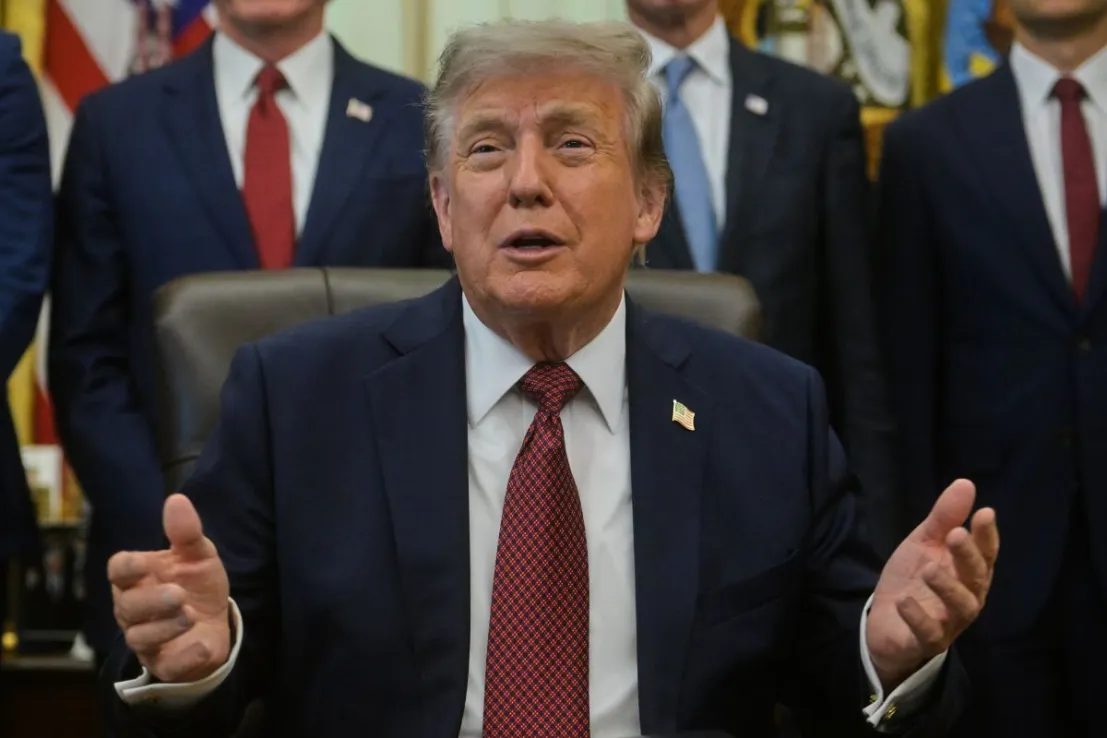
The London stock market appears poised to open the week higher after US President Donald Trump indicated that an agreement between the United States and Iran over the Strait of Hormuz may be close at hand.
Trump said that Saudi Arabia, the UAE, Qatar, and Iran had all asked him to call off military strikes that had been scheduled over the weekend.
"The reason they asked is they think there's a deal, there's a deal on Hormuz and there will be a deal on the nuclear," Trump added.
His remarks come ahead of further negotiations between the two nations scheduled for Monday afternoon. An agreement could trigger a relief rally across global equity markets, though investors may remain cautious given the prolonged back-and-forth in recent months over whether the more contentious elements of a deal can be finalised. The Strait of Hormuz is one of the world's most critical energy chokepoints, with roughly a fifth of global oil consumption passing through it daily, making any disruption a direct lever on Brent crude prices and, by extension, on inflation expectations worldwide.
On the domestic front, the latest EY economic outlook has delivered a stark warning to new Chancellor John Healey, cautioning that the UK economy could edge toward recession next year.
EY forecasts that gross domestic product (GDP) could slow to just 0.5 per cent this year and contract by 0.2 per cent next year if the conflict between the US and Iran remains unresolved and the Strait of Hormuz stays closed.
The firm predicts inflation could climb to 6.4 per cent by the end of 2026, driven by surging oil and energy prices. That would mark a sharp reversal from the disinflation trend of the past two years and would complicate the Bank of England's rate-cut trajectory, as policymakers would face the difficult balance of supporting a weakening economy against resurgent price pressures.
"Ongoing disruption to global energy markets will now start to test this economic resilience," said Peter Arnold, EY UK chief economist.
EY also revised down its business investment forecast, now projecting a decline of 0.7 per cent in 2026, compared with a previous forecast for investment to remain stable.

