IRGC Warns US Allies Including UK and Gulf States of Retaliation Amid Escalating Tensions
Key Takeaways
- •The IRGC has explicitly designated the United Kingdom and Persian Gulf states as potential targets if they support U.S. military operations, broadening the confrontation beyond direct Iran-U.S. exchanges.
- •Iran's warning was prompted by recent U.S. B-1 bomber missions that operated from British airfields, signaling that logistical and operational support for American forces may trigger retaliation.
- •Key regional installations at risk include Al Udeid Air Base in Qatar, Naval Support Activity in Bahrain, and a UK naval facility in Bahrain, all of which fall within Iran's expanded targeting scope.
- •Approximately twenty percent of the world's daily oil supply transits the Strait of Hormuz, a chokepoint Iran has previously threatened to disrupt.
- •The United Nations has called for de-escalation as Qatar and Oman pursue diplomatic initiatives, with the period leading up to July 30 and 31 identified as especially critical for the crisis trajectory.
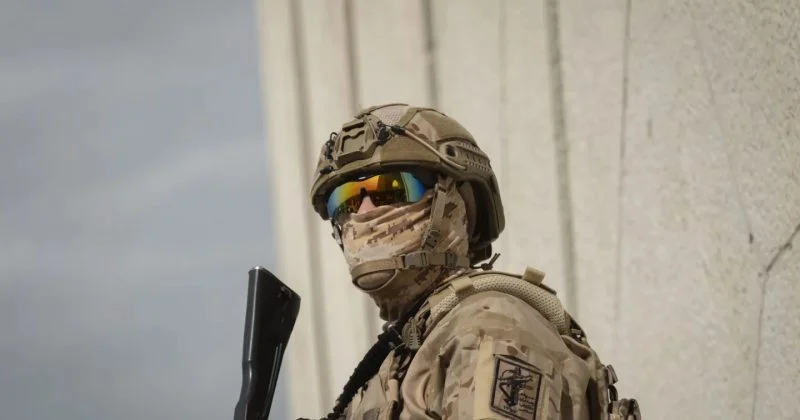
A spokesperson for the Islamic Revolutionary Guard Corps (IRGC) has issued a direct warning to nations allied with the United States, designating them as potential "legitimate targets" should they provide support for U.S. military operations. The United Kingdom and Persian Gulf states were explicitly named in the statement.
The threat follows recent U.S. military activities involving B-1 aircraft that utilized UK airfields, a development that appears to have prompted Iran's expanded posture. Tehran has indicated it may retaliate against regional infrastructure, broadening its declared target list to encompass countries hosting U.S. military assets.
The warning comes during an ongoing period of reciprocal strikes and mounting regional instability. Iran's rhetoric signals a widening of the Iran–U.S. confrontation, with potential implications for both military and civilian sites across the Gulf.
The United Nations has called for de-escalation, though the situation remains volatile with significant consequences for regional security dynamics.
Observers have pointed to several key elements in the current landscape. The IRGC's mention of U.S. B-1 operations from British bases indicates that Iran considers logistical and operational support to the U.S. military as a potential trigger for retaliation. This expands the scope of the conflict beyond direct U.S.–Iran exchanges to include third-party nations facilitating American military activity.
The threat to Gulf states carries particular weight given the region's critical energy infrastructure and shipping lanes. Roughly one-fifth of the world's daily oil supply transits the Strait of Hormuz, the narrow waterway between Iran and Oman that Iran has periodically threatened to disrupt. Major U.S. military installations in the region include the U.S. Central Command forward headquarters at Al Udeid Air Base in Qatar and Naval Support Activity in Bahrain, while the UK maintains a naval support facility in Bahrain—all of which would fall within any expanded Iranian targeting calculus.
Attention is now focused on the actions and statements of Iranian leadership figures, including President Ebrahim Raisi and IRGC Commander-in-Chief Hossein Salami. Military preparedness and diplomatic engagement efforts by the UK and Gulf states will also be closely monitored.
Diplomatic initiatives by Qatar and Oman, both of which have historically played mediating roles in the region, may influence the trajectory of the crisis. The period leading up to July 30 and 31 has been identified as particularly critical for assessing whether the situation escalates further.

