Iran's National Security Chief Warns Tehran Will Target U.S. Economic Interests if Sanctioned
Key Takeaways
- •The warning was attributed to Iran’s national security chief in a Whale Insider post on X.
- •Tehran said it would target U.S. economic interests if Iran is subjected to sanctions.
- •The post did not specify any particular sectors, companies, or financial institutions that could be affected.
- •U.S. sanctions have been a long-running point of dispute with Iran, including restrictions reimposed after Washington left the 2015 nuclear deal in 2018.
- •Any escalation could matter beyond bilateral relations because of Iran’s role in global energy markets and shipping routes.
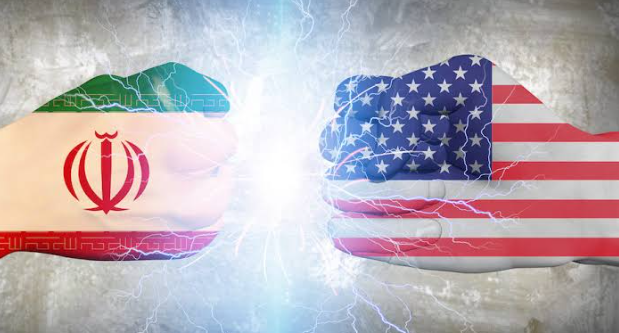
Iran's national security chief has warned that Tehran will target U.S. economic interests if the country is subjected to sanctions, according to a post by Whale Insider on X. The statement signals a direct response from Tehran to the possibility of additional economic restrictions by the United States, though it offered no further details about what measures Iran could take or which specific U.S. economic interests might be affected.
Iran Links Sanctions to Potential Economic Retaliation
The warning was reported in the Whale Insider post on X and attributed to Iran's national security chief. According to the post, Iran would respond by targeting U.S. economic interests if it were subjected to sanctions.
The statement did not specify whether the potential response would involve trade, commercial assets, energy interests, financial activities, or other economic measures. It also did not provide details on the circumstances under which such action would be considered.
Sanctions have long been a central instrument of U.S. policy toward Iran. Washington has used economic restrictions to pressure Tehran over a range of issues, including its nuclear program and broader regional activities. Iran has repeatedly opposed such measures and has characterized them as a form of economic pressure against the country. The latest warning therefore places the prospect of economic retaliation within the broader dispute between the two governments.
U.S.-Iran Tensions Remain Closely Tied to Sanctions
Economic sanctions can affect a country's ability to access international financial systems, conduct trade, and attract investment. In Iran's case, restrictions imposed by the United States have played a significant role in limiting certain forms of international economic activity.
The sanctions framework has shifted over the years. Under the 2015 nuclear agreement, the Joint Comprehensive Plan of Action (JCPOA), Iran received sanctions relief in exchange for limits on its nuclear program. Washington withdrew from the agreement in 2018 and reimposed wide-ranging restrictions, including measures aimed at Iran's oil exports, its banking sector, and its central bank.
For Washington, sanctions have remained an important policy tool for applying pressure without relying solely on military measures. For Tehran, the continuation or expansion of sanctions has been a persistent point of contention in relations with the United States.
The national security chief's warning adds another dimension to that dispute by suggesting that sanctions could prompt measures aimed at U.S. economic interests. However, the information shared in the X post did not provide additional details about the scope, timing, or implementation of any potential Iranian response. It also did not indicate whether any specific U.S. company, industry, or financial institution had been identified as a potential target.
Potential Economic Implications
Any escalation involving economic restrictions and retaliatory measures could have implications beyond the immediate relationship between Iran and the United States. Iran occupies an important position in the Middle East: it is a member of OPEC, holds some of the world's largest proven oil and natural gas reserves, and sits along the Strait of Hormuz, the narrow waterway through which a substantial share of globally traded oil passes between the Persian Gulf and international shipping lanes. Developments involving the country can affect international markets and businesses with regional exposure.
During earlier periods of heightened U.S.-Iran tension, commercial shipping in the region was affected on multiple occasions: the United States attributed a series of tanker incidents to Iran, while Iran itself seized commercial vessels in the area on several occasions. The Whale Insider post did not indicate whether any similar measures were being contemplated in the current context.
The significance of the latest statement will depend on whether additional sanctions are introduced and whether Iranian authorities subsequently announce concrete measures. For now, the reported comments represent a warning from Iran's national security leadership that economic pressure could be met with actions directed at U.S. economic interests. Further developments would be needed to determine whether the statement leads to specific policy measures.
The warning underscores the continuing sensitivity surrounding U.S. sanctions policy toward Iran and the potential for economic measures to become part of a wider confrontation between the two countries.

