Iran Proposes Strait of Hormuz Restrictions in Draft Diplomatic Arrangement With Oman
Key Takeaways
- •Iran is seeking to block U.S. and Israeli vessels from the Strait of Hormuz and demand financial compensation from countries it considers hostile as part of a draft diplomatic arrangement involving Oman.
- •The Strait of Hormuz facilitates approximately one-fifth of global petroleum liquids consumption each day, serving as a vital corridor for crude oil, refined products, and liquefied natural gas.
- •The reported framework remains a negotiating position rather than an implemented policy, and analysts caution it could undergo substantial revisions before any formal agreement is reached.
- •Iran's own oil exports depend on passage through the strait, creating a structural tension that would complicate enforcement of any navigation restrictions.
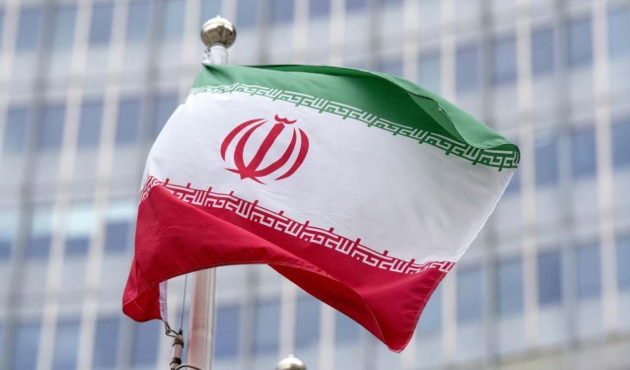
Iran is reportedly pursuing a proposal that would restrict U.S. and Israeli vessels from transiting the Strait of Hormuz while also seeking financial compensation from countries it considers hostile, according to a draft diplomatic arrangement involving Oman.
If advanced, the proposal could carry significant implications for global energy markets, international shipping, and geopolitical stability in one of the world's most strategically important maritime corridors. The initiative emerges amid persistent tensions across the Middle East that continue to shape international trade, energy security, and financial markets.
The development drew additional attention after being highlighted by Cointelegraph's X account, underscoring the growing interest among financial market participants and digital asset investors in geopolitical events with potential global economic consequences.
Although the proposal has not been implemented and remains subject to diplomatic negotiations, analysts note that any attempt to alter access to the Strait of Hormuz would likely draw intense scrutiny from governments, shipping companies, and international organizations. Iran itself has previously issued threats to close the waterway during periods of heightened tension, including in 2012 and 2019, though none resulted in a sustained disruption of traffic.
Strait of Hormuz: A Critical Global Trade Route
The Strait of Hormuz connects the Persian Gulf with the Gulf of Oman and the Arabian Sea, making it one of the world's most strategically significant maritime chokepoints. According to the U.S. Energy Information Administration, roughly one-fifth of global petroleum liquids consumption flows through the narrow passage on a daily basis. Crude oil, refined petroleum products, and liquefied natural gas transit the strait, supplying energy markets across Asia, Europe, and other regions. Qatar, one of the world's largest LNG exporters, relies almost entirely on the route for its shipments.
Given its importance to global commerce, developments affecting navigation through the strait are closely monitored by governments, energy companies, financial institutions, and shipping operators. Even speculation about possible restrictions can influence oil prices, shipping costs, insurance premiums, and broader investor sentiment.
Reported Proposal Includes Shipping Restrictions
Under the reported framework, Iran would seek to prevent U.S. and Israeli vessels from using the Strait of Hormuz while also demanding financial compensation from countries Tehran considers hostile. The proposal is said to be part of broader diplomatic discussions involving Oman, which has historically played an important mediating role in regional negotiations.
Notably, Iran itself depends on the Strait of Hormuz for its own oil exports, meaning any restrictions on navigation would also affect Iranian commercial interests. This creates a structural tension within the proposal that analysts say would complicate implementation.
At this stage, the proposal remains a reported negotiating position rather than an implemented policy. No final agreement has been announced, and details could shift substantially as discussions progress. Analysts caution that proposals emerging during negotiations frequently undergo significant revisions before any formal agreement is reached.
Oman's Diplomatic Role
Oman has long maintained a reputation as one of the Gulf region's most active diplomatic mediators, frequently facilitating communication between governments during periods of heightened regional tension. Its neutral foreign policy has enabled the country to host sensitive negotiations involving both regional and international stakeholders. Oman and Iran also share a longstanding maritime boundary agreement in the Strait of Hormuz, dating to the 1975 Algiers Accord, which provides a diplomatic foundation for bilateral engagement on navigation matters.
If discussions surrounding the reported proposal continue, Oman could once again play an important role in facilitating dialogue aimed at reducing tensions and preventing further escalation. Diplomatic engagement remains a central component of broader efforts to preserve regional stability.
Potential Impact on Energy Markets
The Strait of Hormuz serves as a vital artery for global energy supplies. Any development raising questions about shipping access could influence international oil markets, particularly if traders anticipate disruptions to supply chains.
Energy analysts note that uncertainty surrounding maritime security frequently contributes to increased market volatility. Oil prices can respond rapidly to geopolitical developments affecting major export routes, even before any operational changes take place. Higher energy prices may, in turn, influence inflation expectations, transportation costs, manufacturing expenses, and broader economic activity.
Global Shipping Industry Watches Closely
International shipping companies continuously monitor geopolitical developments affecting major maritime routes. Potential restrictions, heightened security risks, or changing navigation requirements can all influence voyage planning, insurance coverage, freight costs, and operational decisions.
Shipping firms generally rely on stable access to internationally recognized waterways to support efficient global trade. Any proposal involving one of the world's busiest shipping corridors therefore receives significant attention from the maritime industry. For now, commercial shipping operations continue under existing international navigation practices.
Legal and Diplomatic Considerations
Any attempt to alter navigation through internationally significant waterways would likely involve complex legal and diplomatic considerations. The United Nations Convention on the Law of the Sea (UNCLOS) establishes a regime of transit passage through international straits, allowing vessels and aircraft of all nations to transit such chokepoints continuously and expeditiously. While Iran is not a party to UNCLOS, the United States and most maritime nations recognize transit passage as a established principle of customary international law. This legal framework would represent a central point of contention in any effort to impose selective restrictions.
Legal experts generally observe that changes affecting major international shipping routes require careful consideration under established international legal frameworks. Consequently, any reported proposal would likely face extensive diplomatic discussions before implementation.
Financial Markets Monitor Geopolitical Risks
Geopolitical developments in the Middle East frequently influence global financial markets. Investors monitor regional tensions because of their potential effects on energy prices, inflation expectations, currency markets, and broader economic growth.
Periods of heightened uncertainty often contribute to increased volatility across commodities, equities, and alternative assets. Digital asset markets have also become increasingly sensitive to major geopolitical events as institutional participation continues to expand. Market participants therefore continue following developments surrounding the Strait of Hormuz closely.
Strategic Importance Beyond Energy
While the Strait of Hormuz is best known for its role in global oil exports, it also supports significant commercial shipping involving manufactured goods, industrial materials, chemicals, and consumer products. Maintaining reliable maritime access remains important for international supply chains and global trade.
Any prolonged disruption could affect shipping schedules, logistics networks, and international commerce extending well beyond the energy sector. Governments worldwide continue to emphasize the importance of preserving freedom of navigation and regional stability. The U.S. Fifth Fleet, based in Bahrain, operates in the region as part of multinational efforts to maintain maritime security across critical waterways including the Strait of Hormuz.
Looking Ahead
The reported proposal involving Iran and Oman highlights the continuing strategic importance of the Strait of Hormuz within global geopolitics. While reports indicate that Iran is seeking restrictions affecting U.S. and Israeli vessels alongside demands for compensation from countries it considers hostile, the proposal remains part of an evolving diplomatic process and has not been implemented.
Future developments will depend on negotiations among regional stakeholders, international diplomatic engagement, and broader geopolitical dynamics. Given the strait's critical role in global energy transportation and international trade, governments and financial markets are expected to continue monitoring the situation closely.
Source: Hokanews | Cointelegraph on X
