Norway's $2.3-Trillion Sovereign Wealth Fund Opposes SEC Proposal to Rescind Climate Disclosure Rules
Key Takeaways
- •Norway's Government Pension Fund Global, managing over $2 trillion in assets, has submitted a formal letter to the SEC opposing the proposed rescission of climate-related disclosure rules adopted in March 2024.
- •NBIM supports retaining the existing materiality standard, which requires companies to disclose climate-related risks when they are financially material to the registrant's condition.
- •The United States represents NBIM's largest investment market at 53% of its total portfolio, encompassing $822 billion across 1,306 U.S. public companies with an average 1.2% equity ownership stake.
- •NBIM contends that alternatives to full rescission exist that could address the SEC's concerns about regulatory scope and compliance costs while preserving baseline climate risk disclosures.
- •The current SEC climate disclosure rules have faced legal challenges from both industry groups and environmental organizations, leaving their implementation uncertain since adoption.
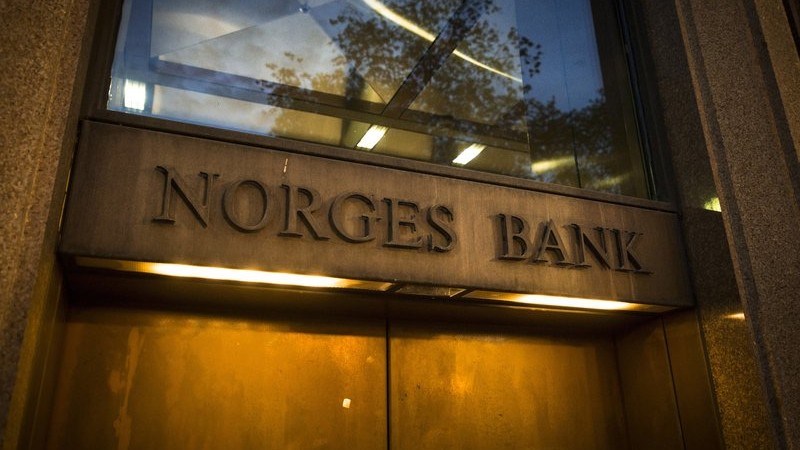
The world's largest sovereign wealth fund, Norway's $2.3-trillion Government Pension Fund Global (GPFG), has formally objected to a U.S. Securities and Exchange Commission (SEC) proposal that would eliminate requirements for companies to disclose climate-related risks.
In May, the SEC invited investor feedback on a plan to rescind the Final Rules, which currently obligate registrants to include certain climate-related information in their registration statements and annual reports. The rules were adopted in March 2024 after a contentious multi-year rulemaking process and have since faced legal challenges from both industry groups and environmental organizations, leaving their implementation in question.
The Norwegian fund's manager, Norges Bank Investment Management (NBIM), published a letter on Friday that it had submitted to the SEC outlining its position. The letter is available on NBIM's official website.
"NBIM does not recommend outright rescission of the Final Rules. We support the existing framework's materiality standard, which elicits disclosure of climate-related risks when material to a registrant's financial condition," the fund manager stated.
Carine Smith Ihenacho, NBIM's Chief Governance and Compliance Officer, added: "In our view, the Final Rules would add a valuable analytical layer by codifying a structured framework for how climate-related risks, when material, are identified, managed and reflected in company governance, strategy and financial statements."
NBIM further argued that "alternatives to outright rescission exist that would address the Commission's concerns about scope and cost, while preserving a baseline of financially material disclosure."
GPFG, commonly known as "Norway's oil fund" because it was established using the country's oil and gas revenues, was created in the 1990s. Today it holds, on average, 1.5% of all listed companies worldwide, making it a significant shareholder in many of the world's largest corporations, including major oil and gas companies. The fund has long published its own expectations on climate risk management and regularly engages with portfolio companies on sustainability disclosures, positioning its SEC submission as consistent with its established investment stewardship approach.
As of the end of 2025, NBIM managed more than $2 trillion in assets, with the United States representing its largest single market at 53% of total investments. Within the fund's equity portfolio, $822 billion was invested across shares of 1,306 U.S. public companies. NBIM holds minority stakes in these firms, with an average equity ownership of 1.2%. That outsized U.S. footprint gives the fund's perspective particular relevance in the SEC consultation, as any change to disclosure rules would directly affect the fund's ability to assess climate-related financial risks across a large share of its portfolio.
By Charles Kennedy for OilPrice.com

