Huawei Nigeria IP&OpticX Club 2026 Spotlights Secure Networks for Nigeria’s Digital Future
Key Takeaways
- •Huawei presented the Xinghe Intelligent Network and Xinghe AI Campus as part of its push to make networks smarter, more secure, and easier to manage.
- •Lagos State linked its digital government and smart city goals to the need for reliable and secure network connectivity under its Development Plan 2052.
- •MTN Nigeria and Huawei highlighted a partnership model that combines dedicated connectivity with LAN, WLAN, cybersecurity, collaboration, and FTTH services for enterprises.
- •Fidelity Bank said its Huawei-based CloudFabric data center network improved operations and reduced the workload of its IT teams.
- •Cross River State described an intelligent public safety architecture that uses Video + AI to improve situational awareness and support its smart city vision.
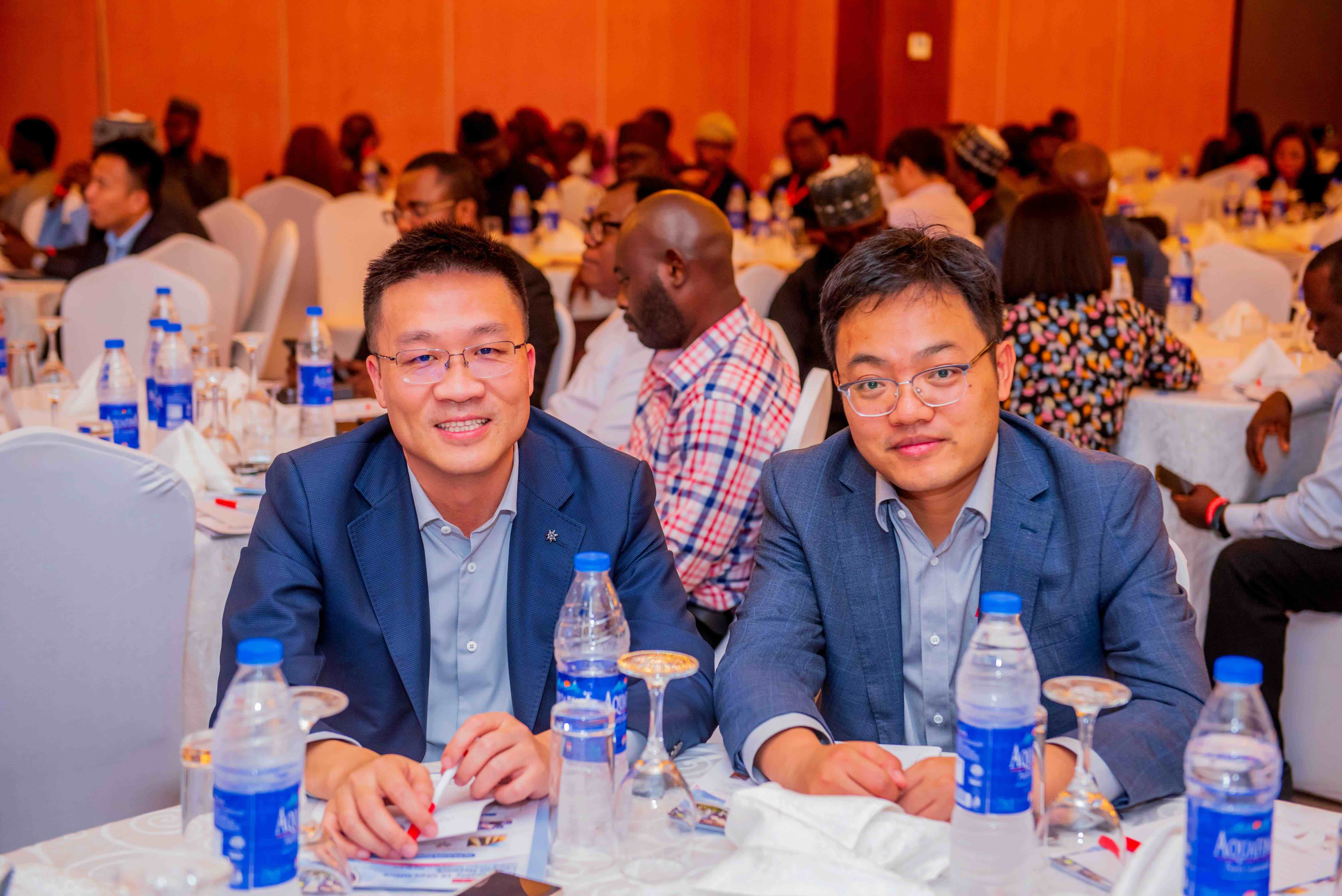
Huawei Nigeria hosted the Huawei Nigeria IP&OpticX Club 2026 at the Oriental Hotel in Lagos, bringing together government representatives, enterprise customers, partners, and industry leaders from across Nigeria.
Under the theme “Secure Networks Powering Nigeria’s Digital Future,” the event examined how secure, intelligent, and reliable network infrastructure is helping organisations accelerate digital transformation, adopt AI, and support increasingly connected business operations. The programme featured insights from government, financial services, hospitality, SMEs, and other industries, alongside Huawei technology experts and ecosystem partners.
Matamela Mashau, CTO of ICT Marketing & Solution Sales Department, Huawei Sub-Saharan Africa, outlined Huawei’s vision for the Xinghe Intelligent Network, describing the evolution of networks from basic connectivity into an intelligent foundation for Industrial All Intelligence. He also introduced Xinghe AI Campus under the concept of “Network Experience Evolution, Creating Secure and Intelligent Campus,” showing how campus networks are advancing toward faster connectivity, stronger security, and smarter operations.
Huawei highlighted next-generation pre-Wi-Fi 8 superfast wireless experience, full-scope security protection from endpoint onboarding, greater security and peace of mind upon campus entry, and wireless fault auto-resolution. Huawei said these capabilities are intended to improve user experience while enhancing network availability, security, and operational efficiency.
On government digital transformation, Engr. Oteniya Olorunlani, Head of Network Administration & Support Unit of the Lagos State Ministry of Innovation, Science and Technology, presented the state’s digital development vision guided by the Lagos State Development Plan 2052. With Digital Government and Smart City as key directions, Lagos State is working to support public sector innovation and extend digital benefits across society.
Ubiquitous, reliable, and secure network connectivity remains a critical foundation for that vision, enabling broader adoption of digital government services, improving operational efficiency, and giving citizens more convenient and efficient public services.
The event also featured campus network experience from the hospitality sector. Olufemi Patrick, Project Director at Augix Resources Limited, a Huawei Gold Partner, discussed how secure and reliable campus connectivity can support guest services, hotel operations, and digital experiences. The case illustrated how modern network infrastructure can help hospitality organisations improve customer experience while strengthening operational efficiency.
Taiwo Temitope Abigael, MTN Network Enterprise Service, Solution Design Engineer, shared MTN Nigeria’s vision for “Accelerating Nigeria’s Enterprise Digital Transformation.” He introduced MTN’s government and enterprise services and highlighted the growing cooperation between MTN Nigeria and Huawei. Through the Enterprise Dedicated Line + X model, the two companies combine dedicated connectivity with solutions including LAN, WLAN, Smart Video Solutions, intelligent collaboration, cybersecurity, and FTTH, offering enterprises a more integrated approach to connectivity and digital services.
MTN also highlighted its MSP platform and public cloud capabilities, which provide SMEs with cloud-based network management and simplify IT operations. Through this partnership, MTN and Huawei said they are working together to provide Nigerian enterprises with bundled dedicated connectivity and network coverage services, making it easier for businesses to build secure, reliable, and intelligent digital infrastructure.
Read also: T2mobile seals multi-million dollar deal with Huawei for network upgrade
For small and medium-sized enterprises, Wu Han, Solution Architect, ICT Marketing & Solution Sales Department, Huawei Sub-Saharan Africa, introduced the latest developments in Huawei eKit SME Network. The session highlighted Huawei’s product portfolio and simplified management capabilities across four scenarios: intelligent office networks, intelligent store networks, intelligent hotel networks, and intelligent education networks. Huawei said these solutions are designed to help partners better address the varied networking needs of SMEs, simplify deployment and management, and create new opportunities for growth in the distribution market.
As AI workloads continue to grow, Johnny Cheng, Vice President of the Data Center Network Domain at Huawei Data Communication Product Line, presented Xinghe AI Fabric 2.0, Huawei’s approach to building an always-on AI data center network with full computing power. The solution combines three capabilities: AI Brain, which enables full-domain network autonomy with minute-level fault auto-healing; AI Connectivity, which delivers elastic and lossless networking to maximise network performance; and AI Network Elements, which provide second-level self-healing and stronger protection against data leakage. Huawei said these capabilities add intelligence and automation to data center networks, helping enterprises build more resilient, high-performance infrastructure for AI and digital services.
Alexander Shov-Shilva, Group head of Infrastructure services at Fidelity Bank, shared the bank’s experience in building a highly available data center network based on Huawei CloudFabric architecture. According to Shov-Shilva, the architecture has helped Fidelity improve network O&M efficiency, simplify day-to-day management, and reduce the workload of its IT teams by bringing greater intelligence into the network. He also said the highly available network infrastructure provides a stable and reliable foundation for Fidelity’s banking services, supporting efficient and continuous business operations.
Cybersecurity was another major focus of the event. Kevin Yang, Product Management Senior Expert in the Security Product Domain at Huawei Data Communication Product Line, presented Xinghe AI Network Security, highlighting how AI-enabled security capabilities can improve threat detection, network visibility, and security response while protecting increasingly critical digital services. Huawei showcased an AI-powered security architecture that contains threats in seconds and closes the loop in minutes. Covering campus access, branch connectivity, data center defense, and security operations, the architecture is designed to detect encrypted and unknown threats before they spread laterally or lead to data exfiltration, turning the network into a unified line of defense.
The event also examined the evolution of video infrastructure toward intelligent multi-dimensional sensing and real-time situational awareness. Olayemi Joseph, Nigeria Enterprise Network Optical Product Solution Architect, explained how AI, video, sensing, and network technologies can work together to improve security and operational awareness. Huawei’s capabilities, including SuperColor, SuperCoding, SuperFusion, and SuperAI, support scenarios such as Traffic Sensing and Campus Security, helping organisations move from traditional video monitoring toward more intelligent and proactive sensing.
Dr. Bung, Vice Chairman and CEO of the Cross River State Planning Commission, shared the Cross River State Smart Public Safety initiative experience and introduced an Intelligent Security Architecture that shifts security from passive reaction toward proactive, real-time sensing. The approach supports the state’s Smart City vision and uses a Unified Algorithm Platform to reduce system complexity and operating costs, while combining Video + AI Applications to enable precise analytics and automated operational insights. Dr. Bung said the model helps Cross River State make better use of video and AI technologies to improve situational awareness, strengthen public safety, and support the development of a safer and smarter city.
The event concluded with remarks from Tulin, Director of the Enterprise Network Solution Department at Huawei Nigeria, who said that as digital transformation accelerates across Nigeria, networks are becoming increasingly important to business operations. Enterprises, he said, need networks that are not only fast, but also secure, reliable, intelligent, and easy to manage.
Through the Xinghe Intelligent Network, Huawei said it is bringing secure and intelligent connectivity into real business scenarios to help organisations connect everything, protect everything, and make everything smarter. Huawei added that it remains committed to working closely with Nigerian customers and partners, bringing innovative technologies and solutions to the market, and supporting digital transformation across industries.
Huawei said Nigeria’s digital future will be built through close collaboration across the ICT ecosystem. Guided by the theme “Secure Networks Powering Nigeria’s Digital Future,” the company said it remains committed to supporting Nigerian enterprises in building secure, intelligent, reliable, and future-ready digital infrastructure. By working with customers and partners, Huawei said it aims to help organisations across industries embrace AI, improve operational efficiency, strengthen digital security, and unlock new opportunities for sustainable growth.

