US Reportedly Pauses New Strikes on Iran, Shifts to Sanctions and Naval Pressure
Key Takeaways
- •Marco Rubio reportedly relayed the change in approach to foreign ministers from several U.S. allied countries.
- •The reported policy would pause new U.S. strikes on Iran and shift emphasis to sanctions and naval pressure.
- •The report did not identify any new sanctions, targets, or enforcement measures tied to the shift.
- •It is unclear how long the pause would last or whether the United States still reserves the option of future military action.
- •The information provided no details on the form of naval pressure or the assets that would be involved.
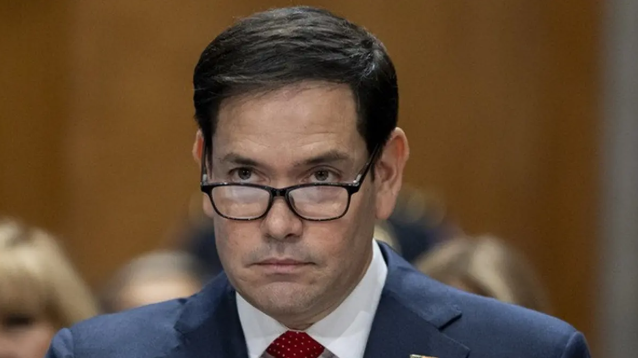
The reported policy shift would mark a change in the immediate U.S. approach to tensions involving Iran. Instead of carrying out additional strikes at this stage, the United States would focus on economic restrictions and maritime pressure while continuing to pressure Tehran.
The information did not say how long the pause on new strikes would last or identify the allied countries whose foreign ministers received the message.
Marco Rubio Reportedly Communicates Policy Shift
According to the report, Rubio conveyed the change in approach during discussions with foreign ministers from several U.S. allied countries.
The reported message centers on two main elements: a pause in new U.S. strikes against Iran and increased reliance on sanctions and naval pressure.
The statement does not say whether the pause is a temporary operational decision or a broader change in U.S. military policy toward Iran. It also does not indicate whether the United States has ruled out future military action.
The use of sanctions and maritime pressure would give Washington alternative tools to apply pressure without immediately launching additional strikes, while keeping diplomatic channels with allies informed about the current posture.
Sanctions Become a Central Tool
Sanctions are a longstanding instrument of U.S. foreign policy toward Iran. They can restrict access to financial systems, limit trade, and target specific individuals, organizations, or economic sectors.
A shift toward sanctions would place greater emphasis on economic and diplomatic pressure rather than immediate military action. The effectiveness and scope of any new measures would depend on the specific sanctions adopted and how they are implemented.
The information shared on X did not identify any new sanctions announced as part of the reported policy change. It only said that the United States was shifting toward sanctions and naval pressure.
As a result, details about potential targets, enforcement measures, or timing remain unclear based on the available information.
Naval Pressure Adds a Military Dimension
While sanctions would mainly operate through economic and financial channels, naval pressure would preserve a military component in the U.S. approach.
Naval forces can be used for a range of operations, including maritime security, monitoring, and enforcement activities. The report did not specify what form the proposed naval pressure would take or which U.S. naval assets would be involved.
The lack of operational detail means the precise implications of the reported strategy cannot be determined from the original information alone.
Even so, the reference to naval pressure suggests that the reported pause in strikes would not necessarily mean a complete withdrawal of U.S. military pressure from the region.
Uncertainty Remains Over Next Steps
The reported communication comes amid continuing tensions between the United States and Iran. Washington has historically used a combination of diplomatic engagement, sanctions, and military measures in response to developments involving Tehran, so the mix of tools described in the report fits a broader pattern even as the immediate posture changes.
The latest report describes a temporary pause in new strikes while emphasizing sanctions and naval pressure as the immediate alternatives. It does not establish whether the approach will become a longer-term strategy.
It also does not provide information about Iran’s response or whether diplomatic negotiations are underway.
For U.S. allies, the reported communication from Rubio would offer an indication of Washington’s immediate intentions, particularly regarding the balance between military and nonmilitary pressure.
Further official statements would be needed to clarify the duration of the reported pause, the scope of any sanctions measures, and the specific nature of naval operations.
For now, the reported development indicates that the United States is pausing new strikes on Iran while shifting its immediate focus to sanctions and naval pressure.

