High Gas Prices Block Grocery Trips
Key Takeaways
- •The Korea Times published an opinion column on August 2, 2026, contending that elevated gasoline prices are deterring consumers from routine grocery shopping trips.
- •Lower-income households and consumers living farther from retail centers are disproportionately impacted by sustained high fuel costs.
- •South Korea imports nearly all of its crude oil, and pump prices include significant government taxes that have historically been adjusted during periods of price volatility.
- •Persistently high fuel costs can ripple through South Korea's road-dependent food distribution network, potentially affecting goods moving from ports to retail outlets nationwide.
- •E-commerce grocery platforms like Coupang and Market Kurly provide an alternative to driving to stores, though delivery fees and minimum order requirements may reduce any cost savings.
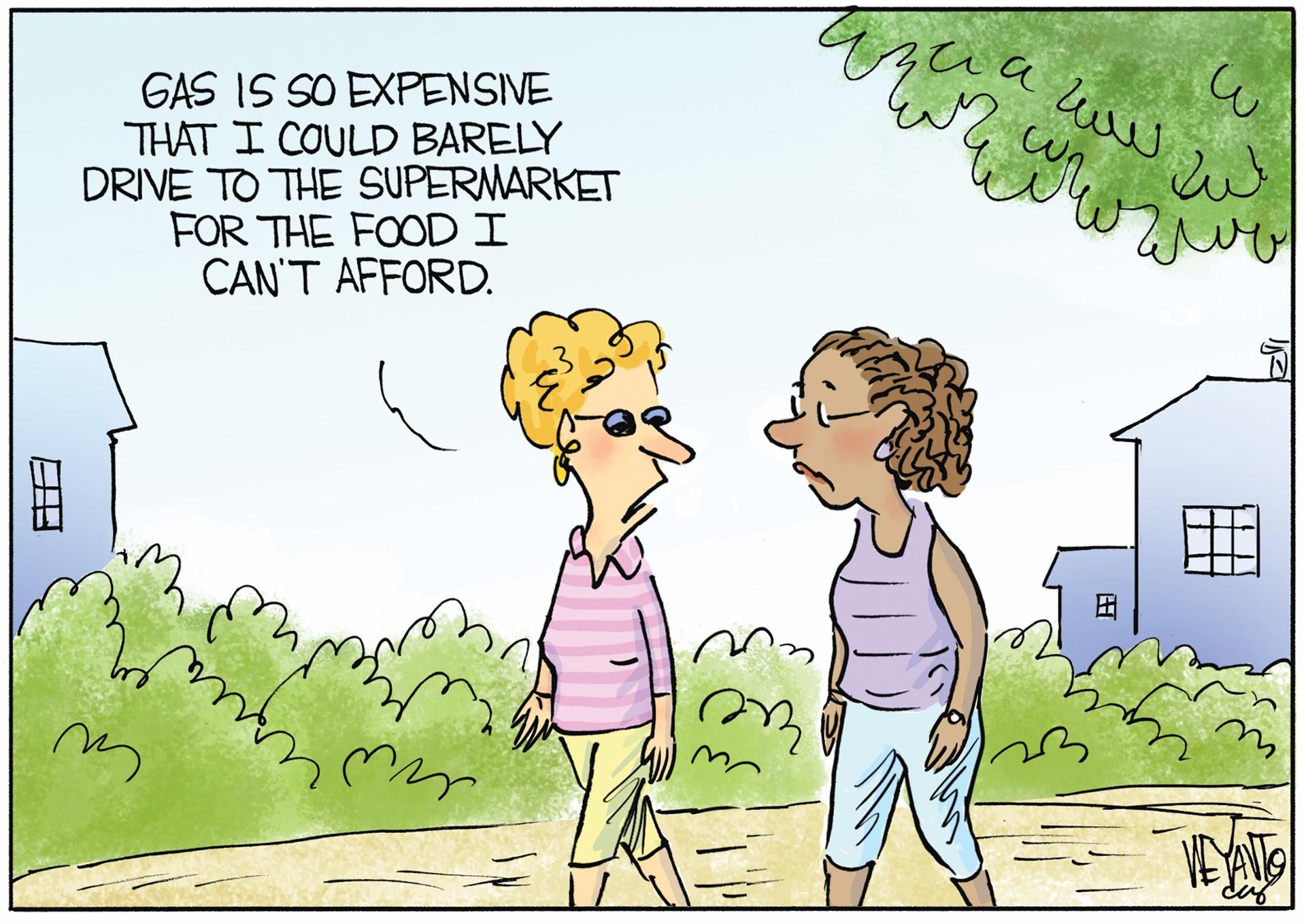
High Gas Prices Block Grocery Trips
An opinion piece published by The Korea Times on August 2, 2026, at 9:30 a.m. KST.
In an opinion column, The Korea Times addresses the growing concern that elevated gasoline prices are discouraging consumers from making routine grocery shopping trips. The piece, categorized under the publication's opinion section, highlights the broader implications of sustained high fuel costs on everyday household behavior and access to essential goods.
Rising gasoline prices have been a persistent economic pressure point globally, affecting transportation costs, food supply chains, and consumer spending patterns. When fuel costs remain elevated, consumers—particularly those in lower-income brackets or living farther from retail centers—may reduce the frequency of shopping trips, consolidate errands, or shift to closer, potentially more expensive retail options.
The issue carries particular weight in South Korea, which imports nearly all of its crude oil and where pump prices include substantial government taxes that have historically been adjusted during periods of price volatility. Sustained elevated fuel costs can ripple through the country's food distribution network, where goods often move by road from ports and distribution hubs to retail outlets nationwide.
For households feeling the squeeze, South Korea's large and competitive e-commerce grocery delivery sector—including platforms such as Coupang and Market Kurly—offers one alternative to driving to stores, though delivery fees and minimum order thresholds can offset potential savings.
The Korea Times opinion section regularly covers economic and social issues affecting daily life in South Korea and the broader region.
Source: The Korea Times — Opinion

