Trump Officials Reportedly Furious Over New ICE Dress Code Following Controversial Incidents
Key Takeaways
- •ICE's updated dress code took effect on July 17 and bans agents from wearing jeans, sweatshirts, hoodies, non-collared shirts, and graphic T-shirts while working in public areas.
- •The policy was implemented in direct response to deadly shootings involving ICE agents in Maine and Texas and a failed plainclothes arrest at Las Vegas's Harry Reid International Airport on July 13.
- •Senior Trump administration officials and ICE officers have complained that the new attire makes agents too easily identifiable and could increase the risk of assaults against them.
- •Policy analysts Sarah Pierce and Aaron Reichlin-Melnick publicly welcomed the change, questioning why ICE cannot operate in uniform like other law enforcement agencies nationwide.
- •The controversy underscores a broader tension between agents' desire for operational flexibility and longstanding calls from civil liberties groups and lawmakers for clearer identification standards during public arrests and detentions.
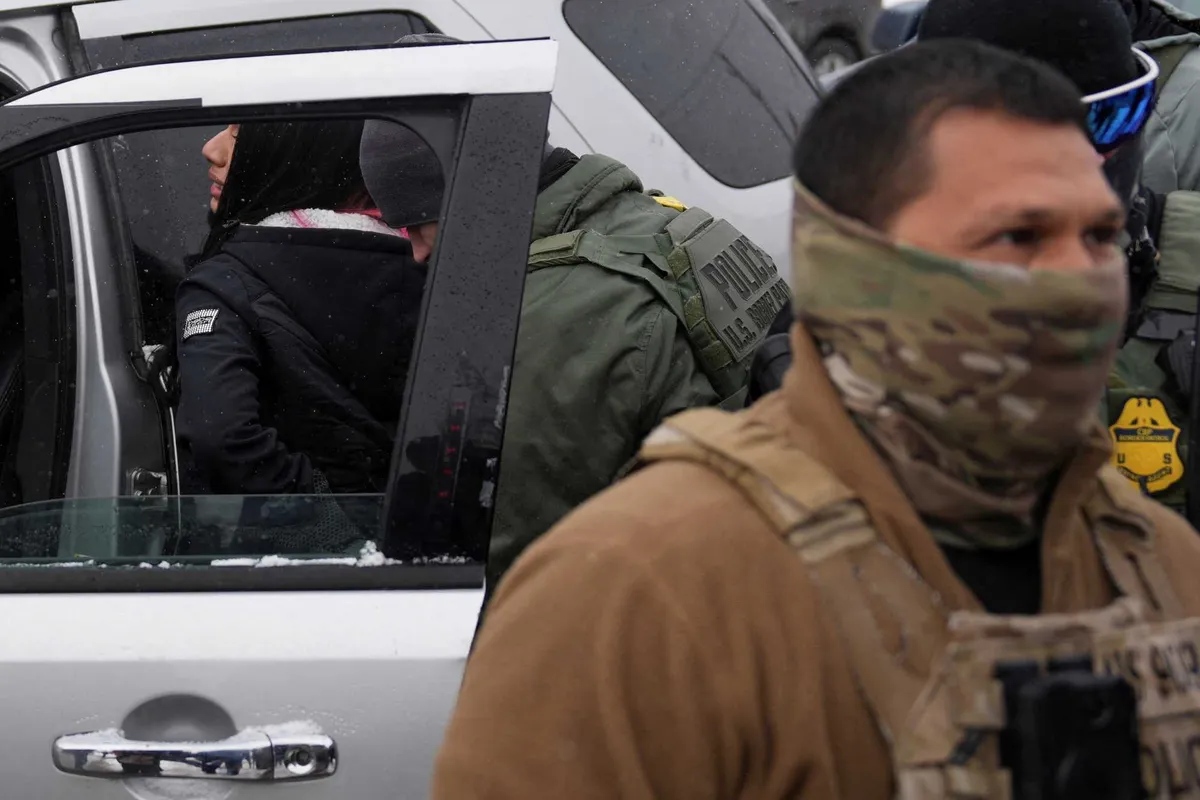
Senior Trump administration officials and Immigration and Customs Enforcement (ICE) officers are reportedly angered by a newly implemented dress code that restricts what agents can wear while operating in public spaces.
Reporter Anna Giaritelli shared the news in a Friday post on X, stating that senior Trump administration officials and ICE officers are "furious with changes to ICE's dress code."
According to reporting by The Intercept, the updated policy bans ICE agents from wearing jeans, sweatshirts, hoodies, non-collared shirts, and T-shirts with graphics while working in public areas. Giaritelli, writing for the Washington Examiner, reported that the new guidelines took effect on July 17.
The Intercept noted that the dress code overhaul came "in direct response" to a pair of deadly shootings involving ICE agents in Maine and Texas, as well as a botched arrest attempt by two plainclothes ICE agents at Harry Reid International Airport in Las Vegas on July 13. The Las Vegas incident, in which agents in casual clothing struggled to detain a suspect in a busy public terminal, drew particular scrutiny over whether plainclothes operations in civilian spaces create confusion about who is acting under law enforcement authority.
Giaritelli reported that senior Trump administration officials and ICE officers have complained that the new policy "could lead to more assaults against federal police because of how easy they will be to spot in polo shirts and khaki tactical pants."
Online commentators, however, largely welcomed the change. Policy analyst Sarah Pierce, responding on X, wrote: "Heaven forbid the public know that it is a law enforcement officer that is questioning, arresting or shooting them."
Immigration policy analyst Aaron Reichlin-Melnick wrote on X: "I am obviously sympathetic to concerns of officer safety. But I find ICE's claim to need to be in hiding particularly strange in light of every other law enforcement agency in the country that manages to do its job with its officers in uniform." The debate reflects a broader tension in federal immigration enforcement between agents' operational flexibility and longstanding calls from civil liberties groups and lawmakers for clearer identification standards during arrests and detentions in public spaces.

