Heathrow CEO Warns Against Further Tax Increases as Airport's Tax Bill Doubles
Key Takeaways
- •Heathrow's tax bill for the first half of the year surged to £129m, more than double the £62m recorded in the same period a year earlier.
- •Rising employer national insurance and business rates contributed to a five per cent decline in Heathrow's interim profit to £69m for the six months ending June.
- •Woldbye warned that any further tax increases would be passed on to airlines and passengers through higher ticket prices at what is already the world's most expensive airport.
- •Heathrow's passenger charge could double to £52 per traveller to fund the planned £49bn third runway expansion, according to preliminary Civil Aviation Authority estimates.
- •Woldbye rejected a competing phased runway proposal backed by Surinder Arora, arguing it would cost nearly 80 per cent of the total price while delivering only 50 per cent of needed capacity.
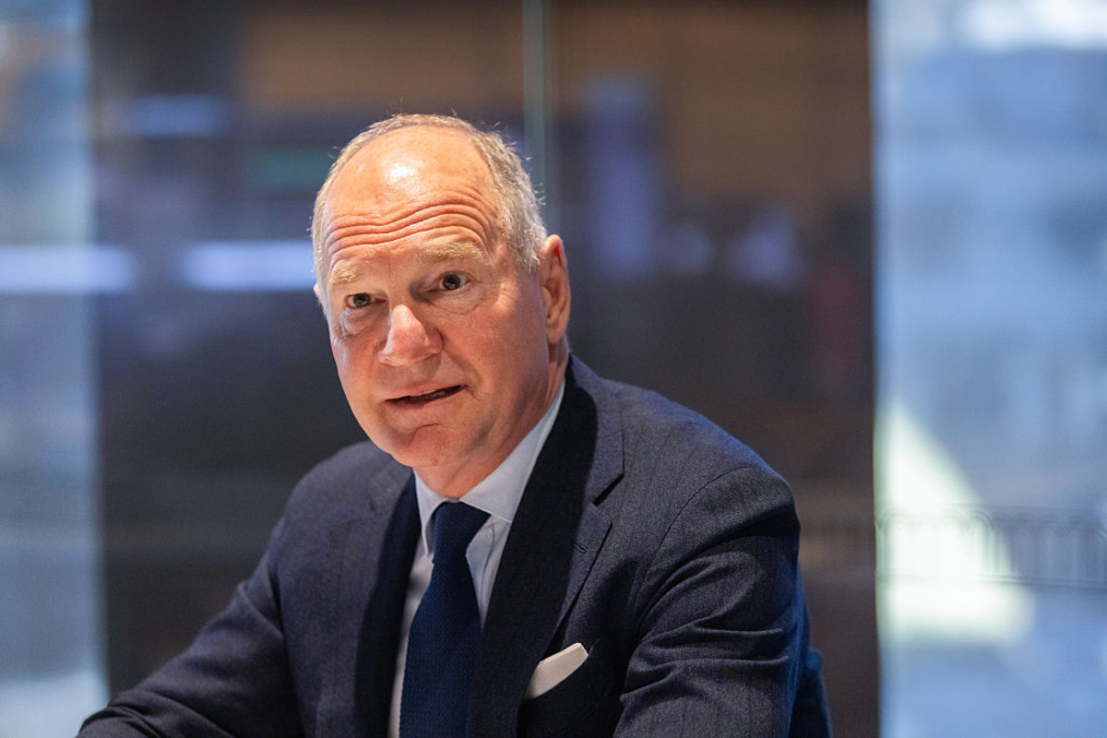
Heathrow CEO Thomas Woldbye has cautioned against treating business as a "cash cow" ahead of the autumn Budget, after the airport's tax bill more than doubled year-on-year.
Woldbye told City AM that the aviation sector is among the most heavily taxed industries in Britain, warning that the sharp rise in Heathrow's payments to HMRC would inevitably "feed through to passengers through higher ticket prices."
"We are one of the highest taxed aviation industries in the world," he said. "We have a record high air passenger duty."
"We have national insurance... and we are, I think, the biggest payer of business rates in the country," Woldbye added, noting that the group's property tax bill had surged by £50m this year.
His comments came after Heathrow disclosed that its tax bill for the first half of the year jumped to £129m, up from £62m in the same period a year earlier. The west London airport said increases to employer national insurance and business rates at consecutive fiscal events had eroded its profit for the six months to June, which fell five per cent to £69m.
The warning is directed at the upcoming Budget, where significant pressure exists on public finances. A City AM analysis identified at least £22bn in outgoings — including commitments tied to pledges made by the Prime Minister — that will need to be addressed through tax increases or spending reductions.
The findings have fuelled concern within the business community that the Treasury may target companies for a third consecutive year, following substantial hikes to national insurance, the living wage, and business rates at the previous two fiscal events.
Heathrow is Britain's busiest airport and its only major hub, handling more than 80 million passengers annually and serving as a critical connection point for long-haul routes that cannot easily be replicated at other UK airports. The competitive position of UK aviation against rival European hubs such as Paris Charles de Gaulle, Frankfurt, and Schiphol has long been a concern for industry leaders, who argue that rising operational costs risk diverting traffic to continental competitors.
Phased Third Runway Proposal
Any further increase in Heathrow's tax burden would make travelling through the airport even more costly, Woldbye said, as the hub would be forced to pass the additional costs on to airlines and passengers.
Heathrow is already ranked as the most expensive airport in the world and may need to raise prices further to finance a planned £49bn expansion that includes constructing a third runway. According to preliminary Civil Aviation Authority estimates, Heathrow's passenger charge could double to £52 per traveller to fund the megaproject, which is being entirely privately financed.
The third runway has been a subject of political and environmental contention for over a decade, with successive governments repeatedly delaying a final decision. The Airports Commission backed a northwest runway at Heathrow in 2015, and Parliament approved the project in principle in 2018, but construction has yet to begin amid persistent debates over climate targets, noise impacts, and local disruption.
The doubling of Heathrow's tax bill occurred despite a last-minute business rates reprieve granted by former Chancellor Rachel Reeves in April. Reeves ring-fenced £900m for Heathrow as part of a broader transitional relief package to mitigate the impact of her property tax overhaul. Without that relief, Heathrow would have faced a £1.5bn business rates bill over the next three years.
Separately, Woldbye dismissed proposals to build the third runway in two phases. In a planning update published last month, the government opened the door to a competing plan that would see the megaproject rolled out in stages — beginning with a shorter runway, after which ministers could decide whether to proceed with full expansion.
The phased approach is championed by hotel tycoon Surinder Arora and his supporters, who argue it would control costs and make it easier to meet the government's ambitious delivery timeline.
Woldbye, however, said the two-stage proposal "does not give you the capacity you really need to operate an efficient airport."
"You would spend very close to the full amount, or at least 80 per cent of the total cost, but you would only get 50 per cent capacity," he said. "Hence, the price per passenger, which is what is important to our airlines, would actually be higher in that scenario."
Arora responded: "This is another example of Heathrow telling the airlines what's best for them rather than listening to their needs. That is why we have worked with the airlines to deliver an alternative solution, that brings capacity earlier and avoids building over the M25 and at a more effective cost than HAL."
"Thomas is right that increased taxes will feed through to passengers via higher ticket prices. The question Heathrow must answer now, is why won't increases in airport charges also feed through to higher ticket prices."

