Healey sets 28 October date for first Budget
Key Takeaways
- •Chancellor John Healey will deliver his first Budget on Wednesday 28 October, the earliest autumn fiscal statement since 2021.
- •Analysis indicates the Chancellor faces a fiscal shortfall of at least £22bn, leading economists to warn that tax increases are highly likely this autumn.
- •The Budget will include a roadmap detailing how the Treasury plans to grant metro mayors greater autonomy over income tax as part of the government's devolution agenda.
- •Rising borrowing costs tied to the war in Iran and a £4.7bn Defence Investment Plan have compounded the financial pressures on the upcoming Budget.
- •Under previous Chancellor Rachel Reeves, the UK economy stagnated between spring and autumn in both her years in office, a pattern economists attributed to businesses delaying investment ahead of fiscal events.
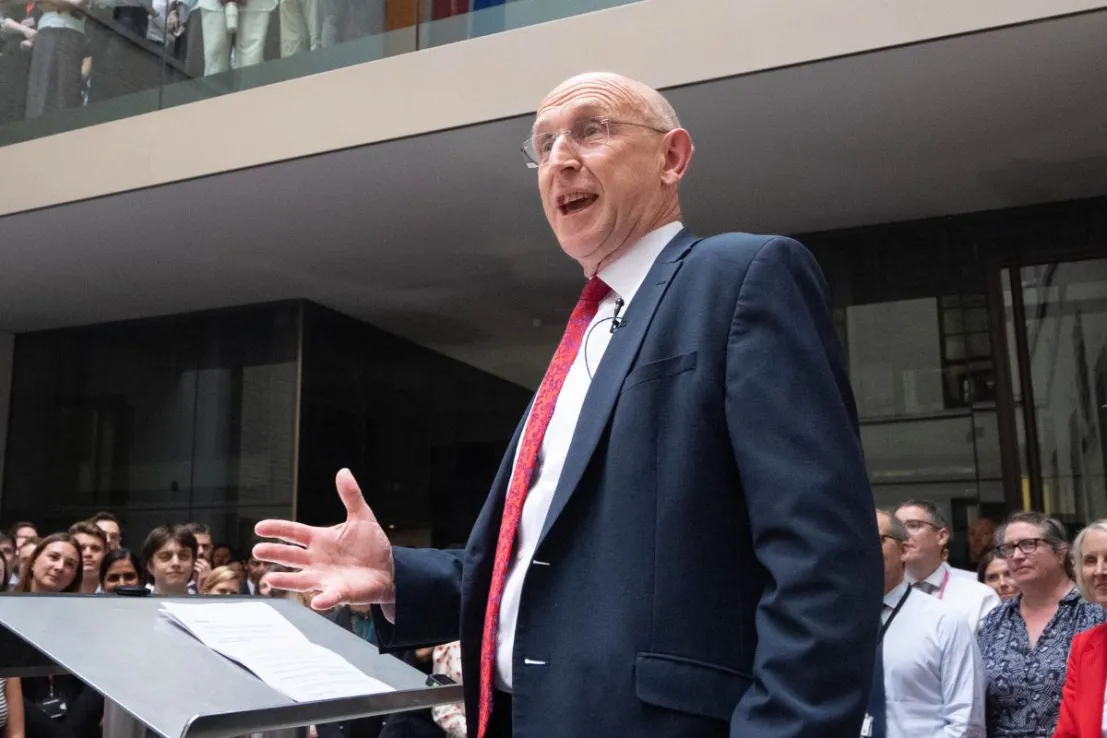
John Healey has confirmed that he will deliver his first Budget on 28 October, as he pledged to “shift power and money out of Westminster”.
The Chancellor said on Friday that his first fiscal statement would “back Britain’s communities”, setting the stage for a Budget that economists have predicted will be the third in a row in which the overall tax burden rises. The UK tax burden is already at its highest sustained level since the post-war period, according to Office for Budget Responsibility data, meaning any further increases would extend a trend that has drawn scrutiny from businesses and household groups alike.
“This will be a Budget that… will be built on fiscal discipline,” he said. “It will meet our fiscal rules. It’ll give businesses and families some of the stability they need to plan for the future.”
Speculation over when Andy Burnham and Healey would make their inaugural fiscal intervention had been growing after the pair announced a flurry of unfunded spending measures in their first few days in office. Several think tanks and analysts have already predicted that Healey will need to raise taxes by tens of billions of pounds in order to stay within the government’s self-imposed fiscal rules.
The 2026 Budget will take place on Wednesday 28 October. The government has said it will stick to its fiscal rules to support economic stability and provide certainty, while using the Budget to drive growth in every postcode and ease cost-of-living pressures. pic.twitter.com/yj3nSu7S3r — HM Treasury (@hmtreasury) July 31, 2026
Budget to find cash for new spending pledges
City AM analysis found that the Chancellor will already need to plug a fiscal hole of at least £22bn, prompting several economists to warn that tax rises are “pretty much guaranteed” in the autumn.
The intervention will also give the new-look government one of its first major set-piece moments to set the course for the rest of the parliament, just weeks after Andy Burnham’s inauguration as Prime Minister. The former Manchester mayor has already launched a major devolution drive, promising to unlock “growth in every postcode” by giving the UK’s metro mayors more fiscal control and launching a Number 10 North operation.
In his Budget announcement on Friday, Healey said ministers had already “backed British jobs, British skills and British businesses” with the package of measures unveiled in Burnham’s first two weeks. New policies have included cutting business rates for pubs, stripping VAT from households’ energy bills and ending homelessness across the UK.
Those measures have added to existing pressure on the public finances from the prolonged war in Iran, which has pushed borrowing costs considerably higher than the official fiscal watchdog predicted at its last economic update in March. gilt markets have been particularly sensitive to global instability, with yields on UK government debt rising as investors demand higher returns amid geopolitical uncertainty. Healey will also have to find money to fund £4.7bn of the Defence Investment Plan announced in the final weeks of Keir Starmer’s government, as well as any additional spending pledges.
Healey confirmed in a letter to the Treasury Committee that he had asked the Office for Budget Responsibility to prepare its biannual fiscal forecast for the date. The independent body, established in 2010, publishes its assessment of the public finances alongside each Budget, and its verdict on whether the government is on track to meet its fiscal rules typically shapes market and political reaction.
“Fiscal credibility is the bedrock of economic stability and national security,” he wrote. “That is why we will abide by the fiscal rules, ensuring we retain a buffer to protect us against uncertainty and the impact of instability in the Middle East.”
The Labour veteran has also promised that his debut Budget will include a “roadmap” setting out how the Treasury plans to give mayors greater autonomy over income tax, a key part of the government’s devolution drive.
By choosing 28 October, Healey will deliver the earliest autumn Budget since 2021 as he looks to limit speculation about the scale and nature of possible tax rises.
Under Rachel Reeves, the UK economy ground to a standstill between spring and autumn in both years she was Chancellor. Economists have since attributed the slowdown to firms delaying investment and growth plans in the months before her two fiscal events.

