Republicans' Supreme Court Blockade Could Come Back to Haunt the GOP, Columnist Warns
Key Takeaways
- •Washington Post columnist Jason Willick contends that Democratic control of both chambers of Congress has weakened the standing of the Supreme Court's 6-3 conservative majority.
- •Senate Republicans confirmed Justice Amy Coney Barrett in 2020 by a 52-48 vote just eight days after the presidential election, a precedent Willick says now appears far more fragile.
- •Because Supreme Court justices hold lifetime appointments, the party controlling the Senate when a vacancy opens determines who can fill it, and Democrats would retain Senate control even if a Republican wins the White House in 2028.
- •All conservative justices not appointed by Donald Trump are in their 70s, with Clarence Thomas the oldest at 78, and two conservative justices will be in their 80s by the time newly elected senators face voters again in 2032.
- •Willick identifies four constitutional tests ahead: potential Supreme Court vacancies, an avalanche of Democratic subpoenas, Democratic trifectas in Michigan, Nevada, Pennsylvania and Wisconsin that could target the Electoral College, and a battle over mass preemptive pardons Trump may issue before leaving office.
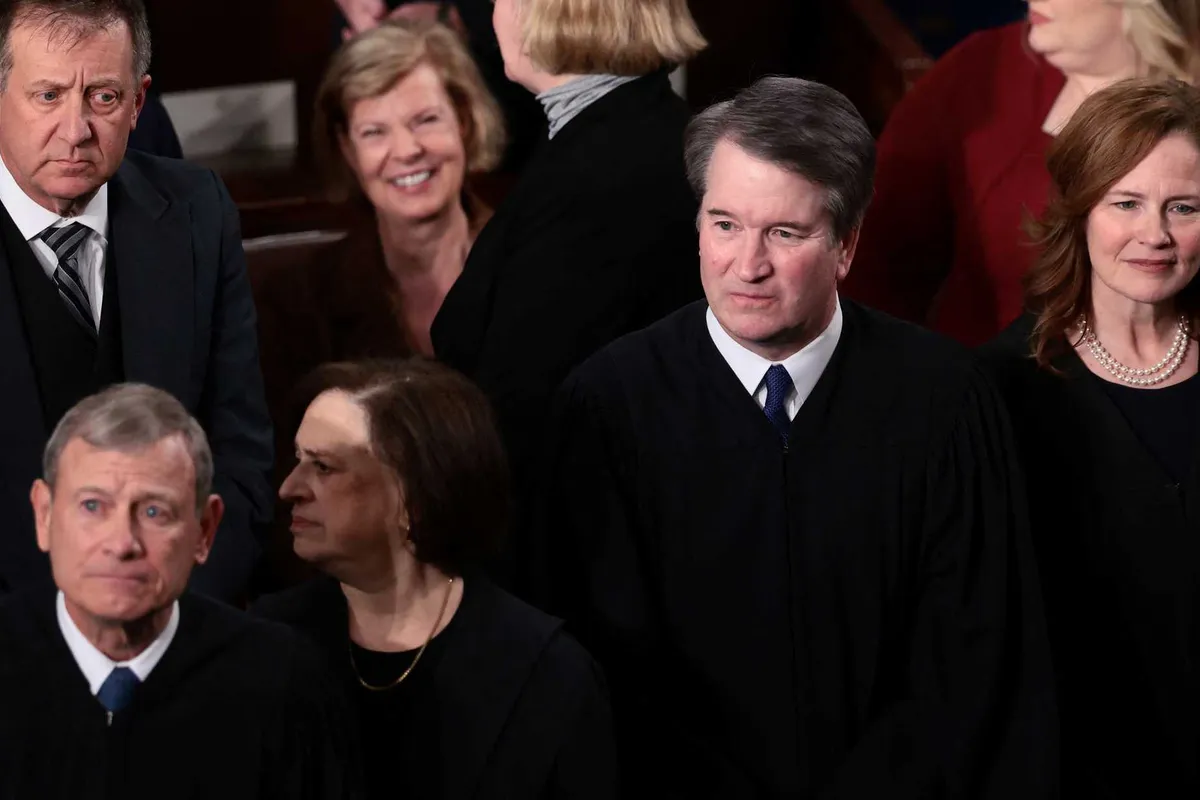
The Republican blockade that kept Merrick Garland off the Supreme Court a decade ago may be about to haunt the GOP, according to Washington Post columnist Jason Willick.
In his Thursday column, Willick argues that the Democratic victory in securing House and Senate majorities has placed the court's 6-3 conservative majority on shakier ground. Senate Republicans confirmed Justice Amy Coney Barrett in 2020 with a 52-48 vote just eight days after the presidential election — a precedent Willick now warns "suddenly appears much more precarious." Under the Constitution, a Supreme Court seat is filled only through presidential nomination and Senate confirmation, which is why control of the upper chamber sits at the center of the scenario he lays out.
All of the conservative justices not appointed by President Donald Trump are in their 70s, with Clarence Thomas the oldest at 78. Justices hold lifetime appointments, so the White House and Senate in office when a vacancy opens determine who can fill it. With Democrats having won the Senate — and Alaska's race still undecided — Willick notes that even if a Republican captures the White House in 2028, Democrats would still control the upper chamber.
In 2016, Senate Republicans stalled President Barack Obama's nomination of Garland for the vacancy created by Justice Antonin Scalia's death, holding the seat open until Trump could fill it. "It's hard to imagine a Democratic Senate confirming a Republican president's Supreme Court nominee," Willick writes.
By the time the senators elected this week face voters again in 2032, two conservative justices will be in their 80s. "Why the aging justices most sympathetic to Trump's legal positions (Thomas and Samuel A. Alito Jr.) decided to deny Trump an easy opportunity to replace them is known only to the justices themselves," he writes.
Willick warns that Democrats may grow more emboldened to confront the court aggressively if they come to view its conservative supermajority as "effectively a lame duck."
The court is one of four constitutional tests Willick identifies ahead. The others are an "avalanche" of Democratic subpoenas from committees assuming a quasi-prosecutorial role; new Democratic trifectas in Michigan, Nevada, Pennsylvania and Wisconsin that could move to eliminate the Electoral College; and a possible battle over mass preemptive pardons Trump may issue on his way out of office.
Willick acknowledges that Republicans will have a shot at winning back seats in red states such as Texas and South Carolina in 2032, though by then conservative justices would be considerably older. He also argues that the hardball politics of the past 15 years grew out of razor-thin partisan divides that this election has just shattered.
He hopes the coming showdowns will summon statesmanship from either party, aimed at durable settlements rather than temporary advantage. With Democrats set to take control of Congress in January, that test begins almost immediately.

