38% of African Women Now Use the Internet, Up From 23% in 2020 — ITU
Key Takeaways
- •The International Telecommunication Union's November 2026 report shows 38% of African women using the internet in 2026, up from 23% in 2020, compared with 45% of men.
- •African women's internet adoption grew by 15 percentage points over six years, slightly outpacing men's 14-point gain, and narrowed the continent's gender digital divide from 8 to 7 percentage points.
- •Connected African women frequently treat data as an essential utility, purchasing larger packages and using platforms such as TikTok, Instagram, YouTube and Netflix as intensively as men.
- •Young Africans are a major connectivity engine, with 60% of those aged 15 to 24 online—23 percentage points above the rest of the population—though many younger adolescents borrow phones because of high device and data costs.
- •Globally, 76% of people, or about 6.3 billion, were online in 2026, yet roughly 2 billion remain offline mostly due to affordability, and only 32% of people in low-income countries are connected versus 93% in high-income countries.
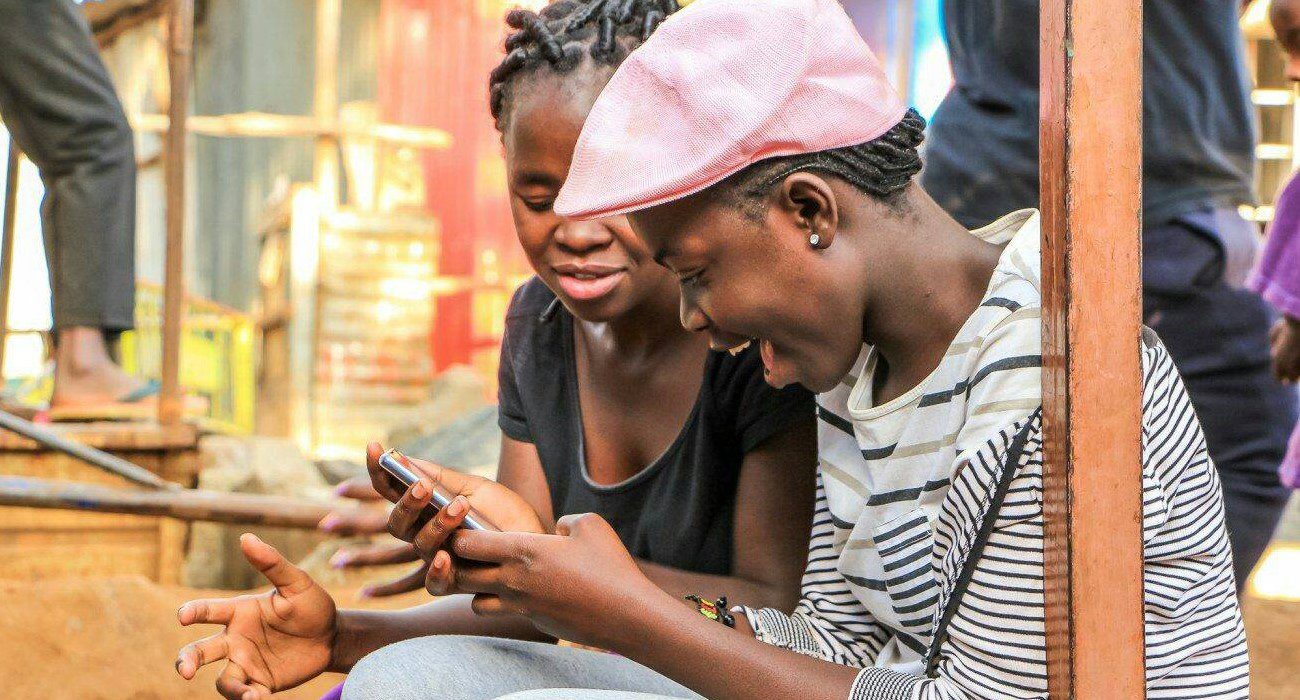
African women are narrowing the continent's digital gender gap at a faster pace than men, with about 38% of women now using the internet in 2026, compared with 45% of men. The figures come from a November 2026 report by the International Telecommunication Union (ITU), titled Measuring digital development: Facts and Figures.
The share of African women online has climbed from 23% in 2020, a gain of 15 percentage points (pp). Over the same period, men's usage rose from 31% to 45%, an increase of 14 percentage points. That means women's internet adoption grew at a faster absolute rate than men's during the timeframe, a sign of meaningful progress in bridging the gender divide as women latch on to technological advancements and the new world of work.
Despite the gains, a 7% gender digital divide persists across the continent, down from an 8-point gap in 2020. Still, the latest data shows women gaining access at a faster rate than men, a trend that points to how African women are bypassing structural barriers and dismantling long-standing cultural stereotypes.
Deep-rooted norms in many communities have long framed technology as a male domain, or cast doubt on women's interest and capacity for digital literacy. The new figures suggest otherwise: once connectivity becomes even slightly accessible to women, they adopt it at a faster rate than men.
In sub-Saharan Africa, women continue to face several constraints on internet access, ranging from economic disparities to lower average incomes and reduced financial independence. The issue is particularly pressing at a time when smartphone prices and the cost of data subscriptions make up a significant portion of household budgets.
Even so, global reports have often found that connected African women frequently purchase larger data packages and utilise mobile browsers just as intensively as men. Through platforms such as TikTok, Instagram, YouTube and Netflix, many prioritise data as an essential utility rather than a luxury.
Outside Africa, the gender gap is tighter in the global context, standing at 5 percentage points compared with Africa's 7. While 79% of men use the internet according to the 2026 report, 74% of women are also online. Both groups grew at the same rate of 16 percentage points between 2020 and 2026, further evidence of the steady rise in women's internet adoption worldwide.
Young people are another engine of connectivity in Africa. Some 60% of Africans aged 15 to 24 use the internet, 23 percentage points more than the rest of the population (37%). The continent is already home to the world's youngest population, with approximately 60% of its people under the age of 25, and this young cohort is driving a rapid digital transformation and the continent's increasing demand for high-speed internet connections.
Where the high prices of mobile data and devices become a major hurdle for youth, younger adolescents between 15 and 20 often go online by borrowing someone else's phone rather than owning a device.
Globally, 86% of people aged 15 to 24 use the internet in 2026, compared with 76% of the rest of the population. In high-income countries, the percentage of youth online stands at 99%, while Europe holds the highest regional figure for youths at 98%.
Overall, 76% of the world's population is online in 2026, up from 74% in 2025. This corresponds to 6.3 billion people, up from 6.1 billion last year, with year-on-year growth increasing slightly to 3% from 2.5%. It also means about 2 billion people remain without the internet, largely owing to affordability.
The income divide remains stark: high-income countries have 93% of their populations online, while in low-income countries only 32% of the population is connected, according to the ITU report. How quickly those income and gender gaps continue to narrow will be among the key figures to track as the ITU updates its Facts and Figures series.

