Fixating on Trump's Hair Is a Trap That Undermines Accountability, Frank Bruni Warns in NYT Essay
Key Takeaways
- •Frank Bruni, a longtime New York Times opinion writer, published a guest essay arguing that mockery of Donald Trump's appearance distracts from serious institutional and democratic concerns.
- •Bruni observes that late-night television monologues, political cartoons, and viral social media commentary often anchor critiques of Trump in his looks rather than his policy outcomes.
- •He argues that appearance-based mockery creates a circus-like atmosphere that crowds out rigorous journalism on issues such as judicial appointments, foreign relations, and democratic norms.
- •The essay warns that caricaturing Trump a cartoon villain minimizes the long-term consequences of his administration's official decisions on citizens' everyday lives.
- •Bruni calls on critics, journalists, and voters to pursue disciplined, policy-oriented critique and directly confront the exercise of political power in order to protect democratic institutions.
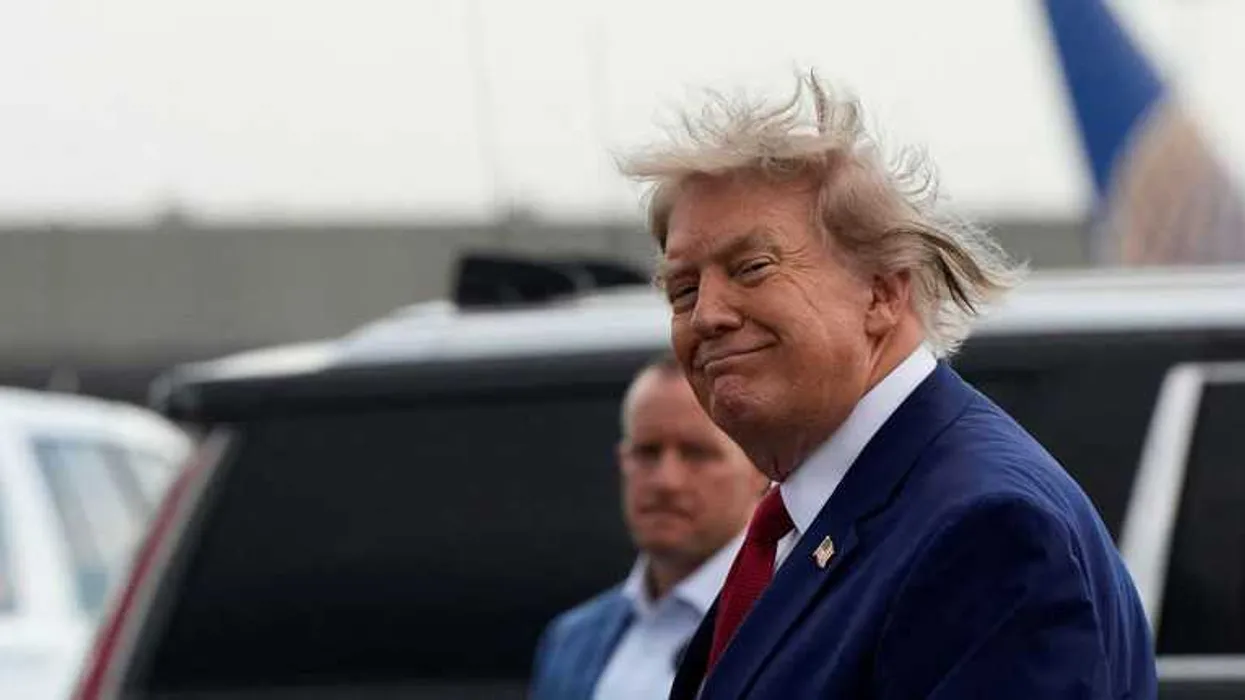
Veteran columnist Frank Bruni, a longtime New York Times opinion writer, argues in a guest essay published in The New York Times that the public and media's persistent fixation on Donald Trump's physical appearance is more than a running joke — it is a counterproductive distraction from the institutional, legal, and democratic harm attributed to Trump's political career.
Bruni contends that reducing a consequential political leader to a caricature built on orange-tinted makeup, shifting hair colors, and distinctive physical mannerisms trivializes the gravity of his actions. In his view, this superficial framing lowers the bar for genuine political accountability, converting serious questions of governance into a shallow cultural spectacle.
The columnist points to late-night television monologues, political cartoons, and viral social media commentary that frequently anchor their critiques of Trump in his physical presentation rather than his policy outcomes. While such jabs deliver quick entertainment and momentary emotional relief for detractors, Bruni writes that they foster a misleading, circus-like atmosphere around American politics and crowd out rigorous, substance-driven journalism. Instead of probing complex policy implications, landmark judicial appointments, international foreign relations, or the systemic erosion of foundational democratic norms, public discourse becomes saturated with internet memes and playground insults — a dynamic he links to a broader cultural shift in which political entertainment increasingly supersedes civic responsibility and critical thinking.
The essay further argues that treating a prominent political figure like a cartoon villain minimizes the tangible, long-term consequences of his administration's official decisions. When collective energy is spent debating a politician's physical signs of aging, posture, or tailoring choices rather than analyzing legislative rollbacks, executive orders, or rhetoric, Bruni warns, the true stakes of democratic governance are lost and the substantive, everyday impact on citizens' lives fades into the background.
Bruni urges critics, journalists, and the electorate to move past the fixation, calling for a collective and disciplined refocus on the substantive realities of Trump's political record and a return to serious, policy-oriented critique that addresses the fundamental challenges facing the nation's democratic institutions.
The piece closes as an urgent warning: safeguarding democracy, Bruni writes, requires citizens to look far past the superficial spectacle, disregard trivial aesthetic distractions, and directly confront the actual exercise of political power and its enduring institutional legacy.

