Federal Reserve Keeps Rates Unchanged as DBS Cites Mixed Economic Signals
Key Takeaways
- •The Federal Reserve held interest rates steady at 5.25%–5.50%, as widely expected by markets.
- •DBS said persistent inflation and signs of a cooling labor market are keeping the Fed in a wait-and-see position.
- •Equities edged higher after the decision, while bond yields stayed elevated amid uncertainty over future rate cuts.
- •DBS noted that Fed projections suggest only one or two possible rate cuts in 2025.
- •Consumers are expected to face elevated mortgage and credit card borrowing costs while savers continue to benefit from higher deposit yields.
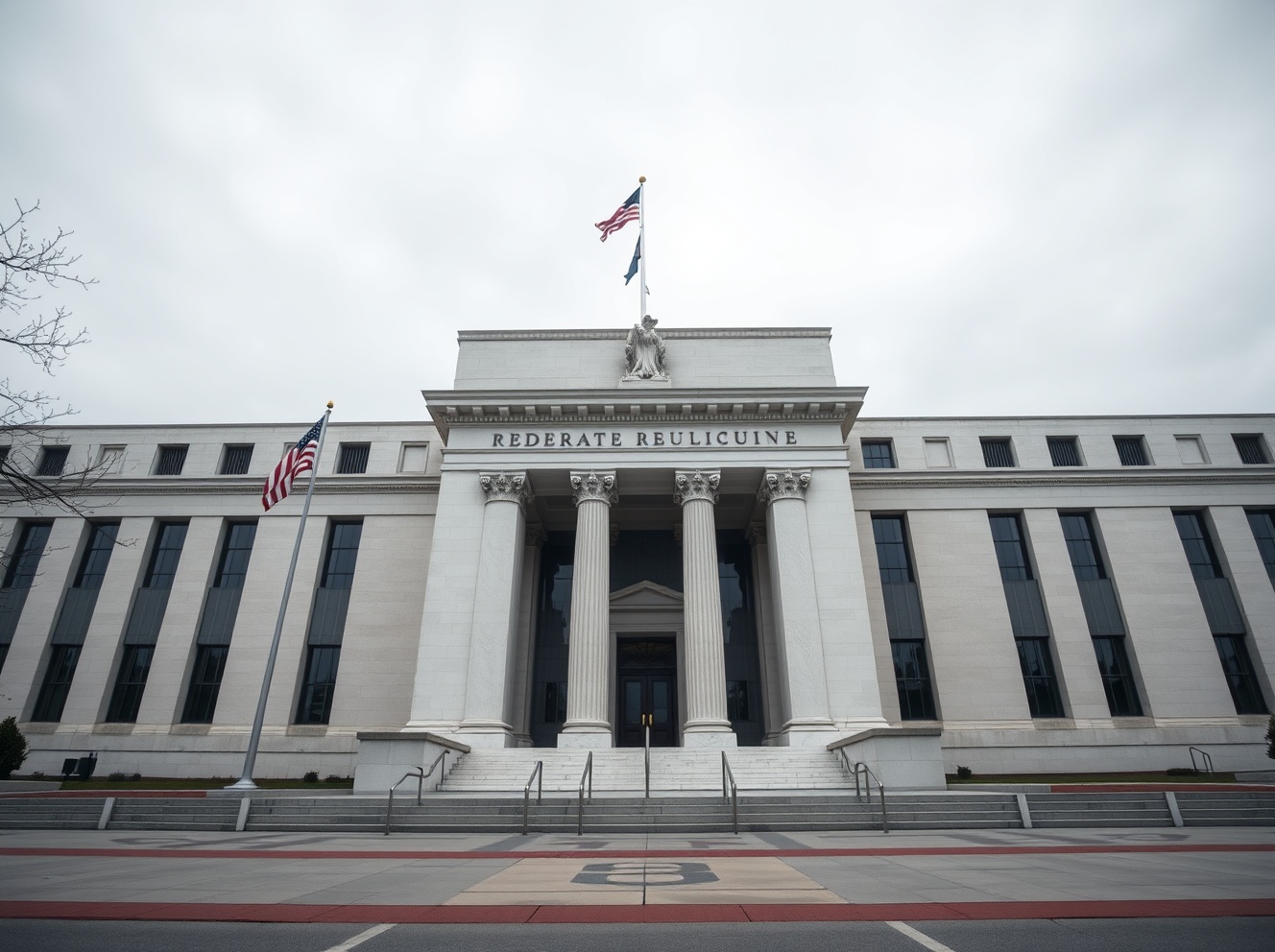
The Federal Reserve kept interest rates unchanged at its latest meeting, with conflicting economic indicators leaving the policy outlook uncertain, according to an analysis from DBS Bank.
The decision, which markets had widely expected, reflects the U.S. central bank’s cautious approach as it assesses persistent inflation pressures alongside signs that the labor market is cooling. The federal funds rate remains at 5.25%–5.50%, a range that has been in place since July 2023.
Mixed Data Keeps the Fed on Hold
DBS analysts said the Fed’s decision to refrain from action was mainly driven by a divide in recent economic data. Core inflation remains above the central bank’s 2% target, supported by persistent services costs and housing-related pressures. At the same time, job growth has slowed, and consumer spending has shown signs of moderation.
That combination presents a policy dilemma for the central bank, whose mandate is to promote maximum employment and stable prices. Raising interest rates further could add pressure to an economy that is already showing signs of softening, while cutting rates too early could risk a renewed rise in inflation.
According to DBS, the Fed is therefore likely to wait for clearer evidence before changing course. A more decisive decline in inflation or a sharper slowdown in employment would provide stronger signals for policymakers assessing whether to adjust rates.
Market Reaction and Policy Outlook
Financial markets responded to the announcement with a combination of relief and caution. Equity indices moved slightly higher after the decision, as traders interpreted the rate hold as an indication that the Fed does not see an immediate need to tighten policy further.
Bond yields, however, remained elevated, reflecting continued uncertainty over when, or whether, rate cuts will take place this year. DBS noted that the Fed’s dot plot projections point to only one or two possible cuts in 2025, suggesting that restrictive monetary policy could remain in place for longer than many investors had expected.
That outlook implies continued volatility in rate-sensitive areas of the market, including real estate and regional banking, according to the analysis. Higher rates tend to weigh on sectors that rely heavily on financing, because they increase debt-servicing costs and can reduce demand for loans.
Impact on Borrowers and Savers
For consumers, the Fed’s decision means borrowing costs are likely to remain high in the near term. Mortgage rates and credit card annual percentage rates are expected to stay elevated while the central bank maintains its current policy stance.
Savers, by contrast, continue to benefit from higher yields on savings products. High-yield savings accounts and certificates of deposit have remained attractive as rates have stayed elevated.
DBS said households should plan for sustained borrowing costs through at least the first half of 2025, given that the Fed has shown no urgency to begin easing monetary policy.
Fed Remains in Wait-and-See Mode
The Federal Reserve’s decision to hold rates steady highlights the difficulty of navigating an economy marked by stubborn inflation and slowing growth. DBS’s analysis indicates that the central bank is likely to remain on pause until economic trends become clearer.
For now, the Fed’s stance is defined by patience rather than action, as policymakers continue to balance inflation risks against signs of a cooling labor market. Upcoming inflation, employment and consumer spending data will remain central to how officials assess whether current policy is restrictive enough to bring inflation closer to target without adding unnecessary strain to growth.

