FBI's Evidence Failures Undermine DOJ Case Against James Comey, Legal Analyst Contends
Key Takeaways
- •The Justice Department alleges Comey used “86 47” as a violent reference to Donald Trump, while Comey says he knew “86” only as a restaurant term for removing items or patrons.
- •Parloff reported that FBI searches of criminal records found little evidence that organized crime used “86” to mean “kill.”
- •John Gleeson, a former prosecutor and judge who handled many mob cases, said he never heard “86” used to mean killing and called the case “laughable.”
- •The FBI’s disclosed witness evidence includes a text exchange involving Person-1, but Comey’s lawyers say the broader conversation showed a restaurant-related understanding first.
- •Parloff said the case advanced after DOJ leadership changed, even though he believes the available evidence would normally prompt a prosecutor to drop the charges.
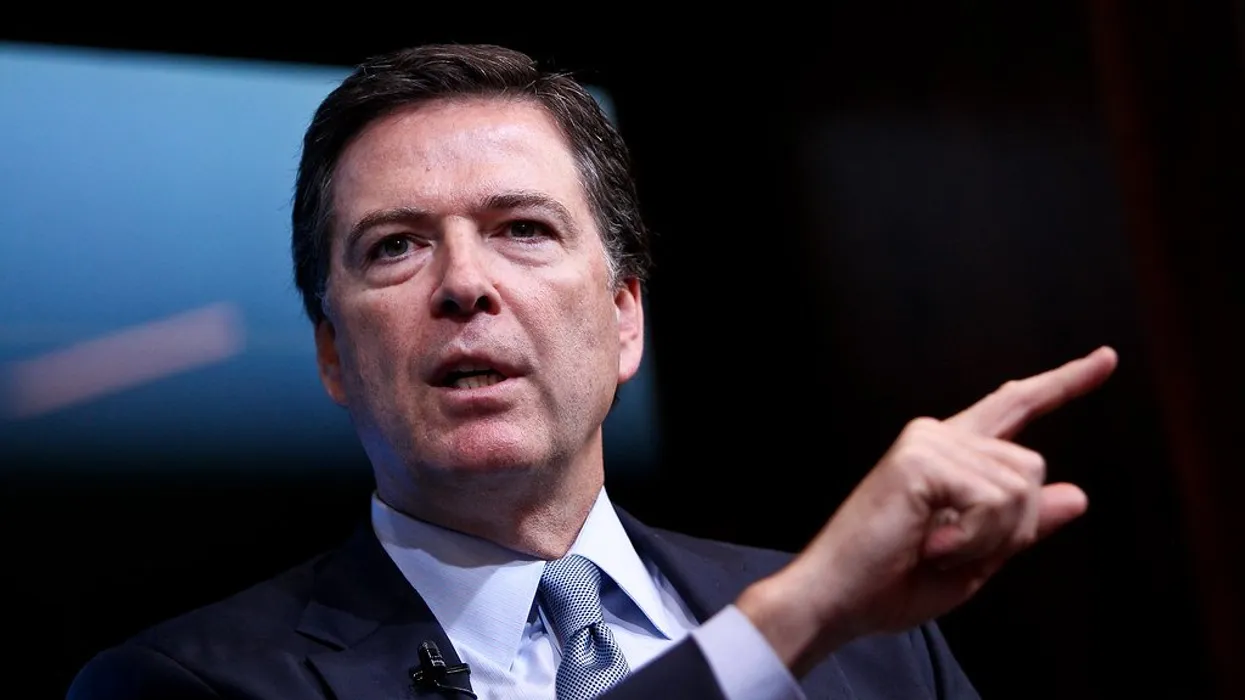
The FBI may have critically undermined the Justice Department's criminal case against former FBI Director James Comey, according to legal analyst Roger Parloff, writing for Lawfare on Wednesday.
The DOJ's prosecution centers on the assertion that Comey understood the slang term "86" to mean "assassinate." When Comey posted an Instagram photograph of seashells arranged on a beach to spell "86 47" — a phrase interpretable as a call to remove the 47th president, Donald Trump — prosecutors allege he was advocating violence against the president. Comey subsequently released a video statement explaining that his familiarity with the term came exclusively from the restaurant industry, where "86" is used to cancel an order, clear plates, or remove a patron.
According to Parloff, the FBI conducted an extensive search through criminal case records seeking evidence that organized crime figures used "86" as a synonym for "kill." Parloff compiled a detailed timeline of these investigative efforts, which revealed how little supporting evidence agents were able to produce.
"So early on, those who saw — or were ordered to see — what Comey did in a criminal light developed a theory," Parloff wrote. "The theory was that '86' was a widely known term within organized crime syndicates meaning 'to kill,' and that anyone who had spent a lifetime in law enforcement, as Comey had, would have known that."
The DOJ attempted to link the term to a 1993 case in which Comey served as lead prosecutor. Investigators located two former FBI agents who had worked on that case, along with mobster Salvatore "Sammy the Bull" Gravano, all of whom were willing to assert that "86" means "to kill." However, prosecutors have not been able to demonstrate that Comey himself understood the term in that way.
A significant blow to the prosecution's narrative emerged from declarations Comey's legal team submitted to the court in July. John Gleeson, a former Eastern District of New York prosecutor who handled 13 Mafia cases, stated that not once in his entire career had he heard "86" used to mean "kill... in any way, shape or form."
Despite this, Parloff noted, the "seashell case" proceeds — a case that has drawn scrutiny given the long-running and well-documented antagonism between Comey and Trump, who dismissed Comey as FBI Director in 2017.
"This is the sad account of a shameful and vindictive prosecution, in which high-level Justice Department officials are plowing ahead against all credible evidence to punish an enemy of the president. It doesn't get worse than this," Parloff wrote.
One of the prosecution's key witnesses was disclosed last week. The evidence involves a text message exchange between an individual identified as Person-1 and Comey's wife, Patrice, in which Person-1 accused the Comeys of suffering from "Trump Derangement Syndrome" and attempting to incite violence against the president.
Parloff observed that this text message represented only a fragment of a lengthier conversation that was not circulated among the conservative commentators and Trump allies publicly discussing the case. While the FBI's summary claimed Person-1 believed "86" was a violent reference, the affidavit from Comey's attorney, Patrick Fitzgerald, presents a fuller picture.
"My first initial thought was personally, I thought that the only way that I really heard '86' in my life before is when I used to work in restaurants in college and it's like ... out of something on the menu, you know, 86 or not the menu whatever," Person-1 stated, according to the affidavit. The audio recording of the FBI's interview with Person-1 remains sealed.
According to Comey's lawyers, Person-1 only concluded the term constituted a violent threat after hearing Rudy Giuliani declare on his podcast that "86" meant "kill." Giuliani claimed that Comey had worked on a mob case where the term was used synonymously with "to kill."
In a separate interview that same day, the former mayor acknowledged that he himself did not understand "86" to mean "kill" until he was "educated" on the meaning by "his boys." Giuliani rose to prominence in the 1980s as a prosecutor of organized crime figures.
When a North Carolina prosecutor initially took up the case, he directed agents to locate examples of "86" being used in a criminal context. After five days of searching, agents were unable to "unearth a single pertinent reference," according to Parloff.
Attorney General Pam Bondi was subsequently dismissed, and Deputy Attorney General Todd Blanche — formerly President Trump's personal attorney — assumed leadership of the office. The Comey indictment was then announced.
It was only after the FBI began contacting former mob figures that John Gleeson became involved in the matter. Gleeson reached out to Comey through Comey's daughter, who works at a New York law firm. Gleeson clarified that he had not seen or communicated with Comey since the early 1990s, noting that the two had once been "rivals in a way" while working in competing prosecution offices in New York.
Gleeson later became a federal judge, presiding over numerous additional mob cases. In his affidavit, he stated that he had listened to many hours of wiretap recordings and likely spent more than 500 hours debriefing cooperating witnesses. At no point during that experience did he ever hear the term "86" used in that context. In his experience, organized crime figures used the word "whack" and, on occasion, "clip" when referring to killing.
Gleeson characterized the DOJ's decision to move forward with the case as "laughable."
Parloff argued that under normal circumstances, a prosecutor presented with the Gleeson declaration would drop the charges, provided they possessed "good judgment and good will."
He concluded by questioning whether the DOJ genuinely believes it can secure a conviction at trial relying on a former gangster as its star witness, against the testimony of mob crime experts, former prosecutors, judges, and FBI agents.
"At such a trial, there could be no hope of a conviction. And if a conviction somehow came to pass, it would be a manifest miscarriage of justice," Parloff wrote. "Prosecutors need to end this horrendous abuse of the criminal justice system."
